
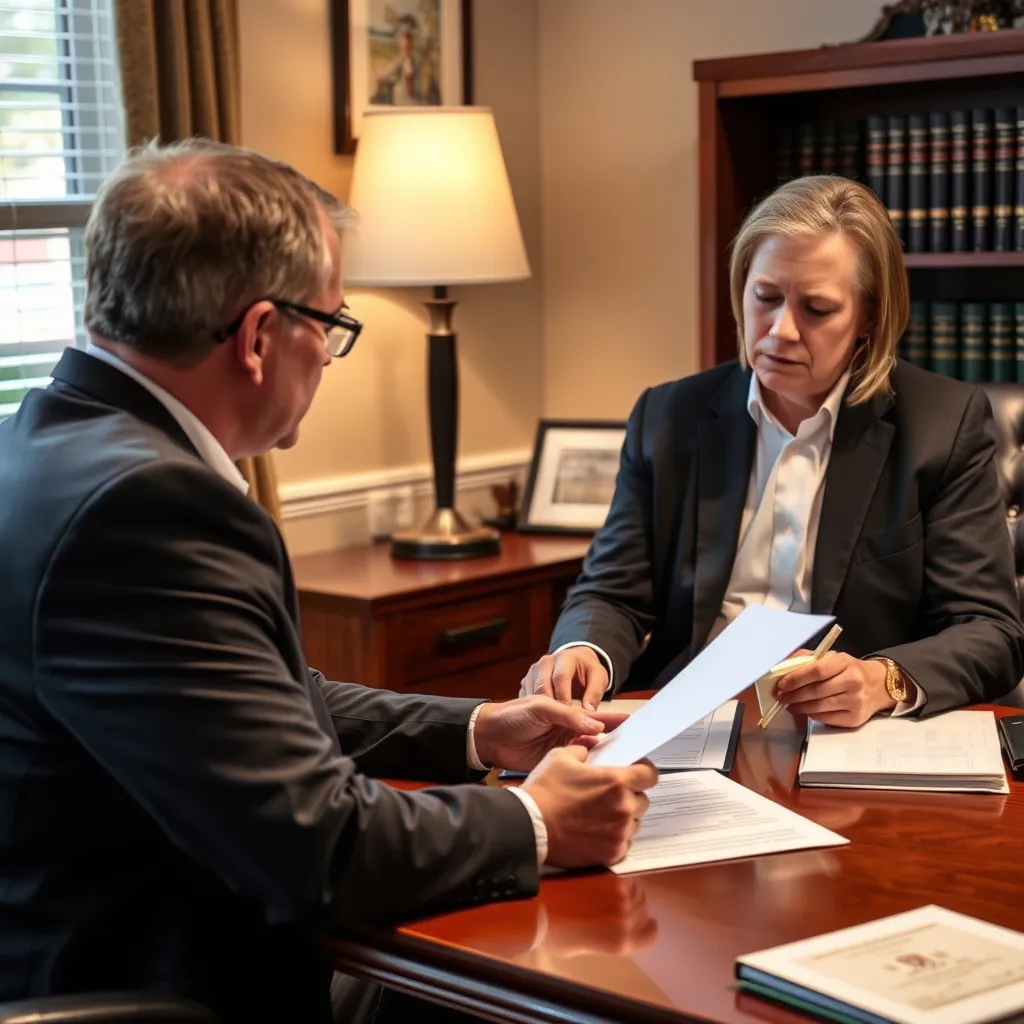
Visitation Modification Lawyer Falls Church, VA
When a court-ordered visitation schedule no longer works for a family, parents and other parties in Falls Church, Virginia, often need to seek a modification. Changes in a parent’s work schedule, a child’s school needs, or concerns about a parent’s living situation can all justify a request to alter visitation terms. At Law Offices Of SRIS, P.C., Mr. Sris and the firm’s Of Counsel attorneys help clients present a clear case for why the existing order should be modified and what arrangement now serves the child’s best interests. The firm has represented families in Falls Church custody and visitation matters since 1997, and brings practical knowledge of the procedural requirements at Falls Church Juvenile and Domestic Relations District Court and the Falls Church Circuit Court. For a consultation about your visitation modification, call (888) 437-7747. Law Offices Of SRIS, P.C. – Advocacy Without Borders.
What Visitation Modification Means in Falls Church
For families in the City of Falls Church, visitation modification proceedings are governed by the same Virginia Code provisions that apply statewide, but the venue and local court practices depend on how the original order was entered. Stand‑alone visitation orders—those not attached to a divorce decree—are handled by the Falls Church Juvenile and Domestic Relations District Court, which sits at 300 Park Avenue. When visitation is part of a divorce case, the Falls Church Circuit Court, also at 300 Park Avenue, retains jurisdiction. Both courts apply the trusted‑interest standard of Virginia Code § 20‑124.3 and will modify a visitation order only when the parent seeking the change demonstrates a material change in circumstances and shows that the proposed new schedule is in the child’s best interests.
Falls Church is a small independent city within the greater Northern Virginia region, and the local court system sees a steady flow of family law matters from residents in neighborhoods throughout the city. The proximity to Fairfax County and Arlington means that many families have ties across jurisdictional lines, which can affect whether a Falls Church court retains continuing jurisdiction over a visitation case. Because the standard for modification is fact‑specific, the way evidence is presented and tied to statutory factors often determines the outcome. Mr. Sris and the firm’s Of Counsel attorneys are familiar with how the judges in the Falls Church courts analyze changed‑circumstance arguments and what documentary and testimonial support they expect to see.
How Mr. Sris and the Firm’s Of Counsel Attorneys Handle Visitation Modification Cases
Every visitation modification begins with an assessment of whether a material change in circumstances exists that was not anticipated when the current order was entered. Common changes that may support a modification include a parent’s relocation, a substantial shift in work hours, a child’s developmental or educational needs, or credible concerns about a parent’s conduct during visitation periods. Mr. Sris and the firm’s Of Counsel attorneys work with clients to identify the specific facts that distinguish their situation and to gather the evidence that the Falls Church court will consider—school records, communication logs, witness statements, and, when appropriate, testimony from counselors or other professionals.
After the factual record is assembled, the firm prepares and files a motion to modify visitation in the court that issued the original order. In Falls Church, this is often the Juvenile and Domestic Relations District Court, where matters are typically set for hearing in a matter of weeks after filing. The firm presents the client’s position at a hearing where both parents can offer testimony and exhibits. Throughout the process, the focus remains on the child’s best interests, and the firm counsels clients on realistic outcomes based on the specific facts of their case. If the court grants the modification, the new order becomes enforceable; if the motion is denied, the firm advises on next steps, including potential appeal.
About Mr. Sris and the Firm’s Of Counsel Attorneys
Mr. Sris, Owner and Founder of Law Offices Of SRIS, P.C., has practiced family law in Virginia since 1997. A former prosecutor, he brings deep familiarity with courtroom procedure and evidence to every visitation case. Mr. Sris is admitted in Virginia, Maryland, the District of Columbia, New Jersey, and New York, and he has handled family law matters in Northern Virginia courts for decades. He testified before the Virginia House Courts of Justice Committee in support of 2019 HB 635 (chief patron Del. David Bulova).
The firm’s Of Counsel attorneys contribute additional experience across family law, criminal defense, and civil litigation. Their combined knowledge of local court expectations in Falls Church and the surrounding area strengthens the firm’s ability to advance a client’s position in visitation disputes. Together with Mr. Sris, the firm’s Of Counsel attorneys focus on presenting well‑documented, compelling arguments for modification while maintaining a realistic view of what the court can order.
Frequently Asked Questions
What constitutes a material change in circumstances for a visitation modification in Falls Church?
A material change in circumstances for a visitation modification in Falls Church is a significant, unanticipated change in a parent’s life or the child’s needs that makes the current order no longer workable. Examples include a parent’s job relocation that significantly increases distance, a school change that conflicts with the existing schedule, a parent’s prolonged illness, or evidence that a parent is not following the visitation plan in a way that harms the child. The Falls Church court evaluates whether the change is substantial and whether modifying visitation is in the child’s best interests.
Do I need a lawyer for a visitation modification in Falls Church?
While not required, having an experienced family law lawyer significantly increases the likelihood of presenting a persuasive case in Falls Church. Visitation modification hearings involve rules of evidence, procedural deadlines, and the need to tie facts to the statutory best‑interest factors. An attorney can help develop the record, cross‑exam the other parent, and argue for the schedule that best serves the child. To discuss your situation, reach Law Offices Of SRIS, P.C. at (888) 437-7747.
How long does a visitation modification case take in Falls Church courts?
The timeline for a visitation modification in Falls Church varies by court calendar and case complexity. After a motion is filed, the court typically schedules a hearing in a matter of weeks. If both parents can agree to the modification, it may be entered at that hearing without extensive testimony. Contested hearings with witnesses and evidence may take longer, and the court’s availability can affect the overall duration.
Can I agree to a visitation modification without going to court?
Parents can agree to a visitation modification outside of court, but it is advisable to have the agreement incorporated into a court order for enforceability. An out‑of‑court agreement may work informally, but if one parent later changes their mind, the original order remains in effect. A signed consent order presented to the Falls Church court makes the new arrangement legally binding.
What factors does the Falls Church court consider when deciding a visitation modification?
The Falls Church court considers the statutory best‑interest factors of Virginia Code § 20‑124.3 and evaluates whether a material change in circumstances has occurred. The court looks at each parent’s involvement in the child’s life, the child’s relationship with siblings and extended family, any history of family abuse, the child’s preference if of suitable age, and how well each parent supports the child’s relationship with the other parent. Evidence of a positive change that benefits the child can also weigh in favor of modification.
What if the other parent opposes my request to change visitation?
If the other parent opposes a visitation modification, the case proceeds to a contested hearing where each side presents evidence. The Falls Church court will evaluate both positions, and the parent seeking the change bears the burden of proving the material change and the child’s best interests. Mr. Sris and the firm’s Of Counsel attorneys prepare clients for contested hearings by organizing evidence and witness testimony that addresses the specific points the court must consider.
If you have further questions about visitation modification in Falls Church, call Law Offices Of SRIS, P.C. at (888) 437-7747 to request a consultation.
For additional family law resources in Northern Virginia, see:
- Fairfax County Family Law Lawyer
- Fairfax City Family Law Lawyer
- Prince William County Family Law Lawyer
- Manassas Family Law Lawyer
For official legal information, reference the Virginia Code and the Virginia Judicial System.
Attorney advertising. Prior results do not guarantee a similar outcome.
Case results depend on a variety of factors unique to each case.