
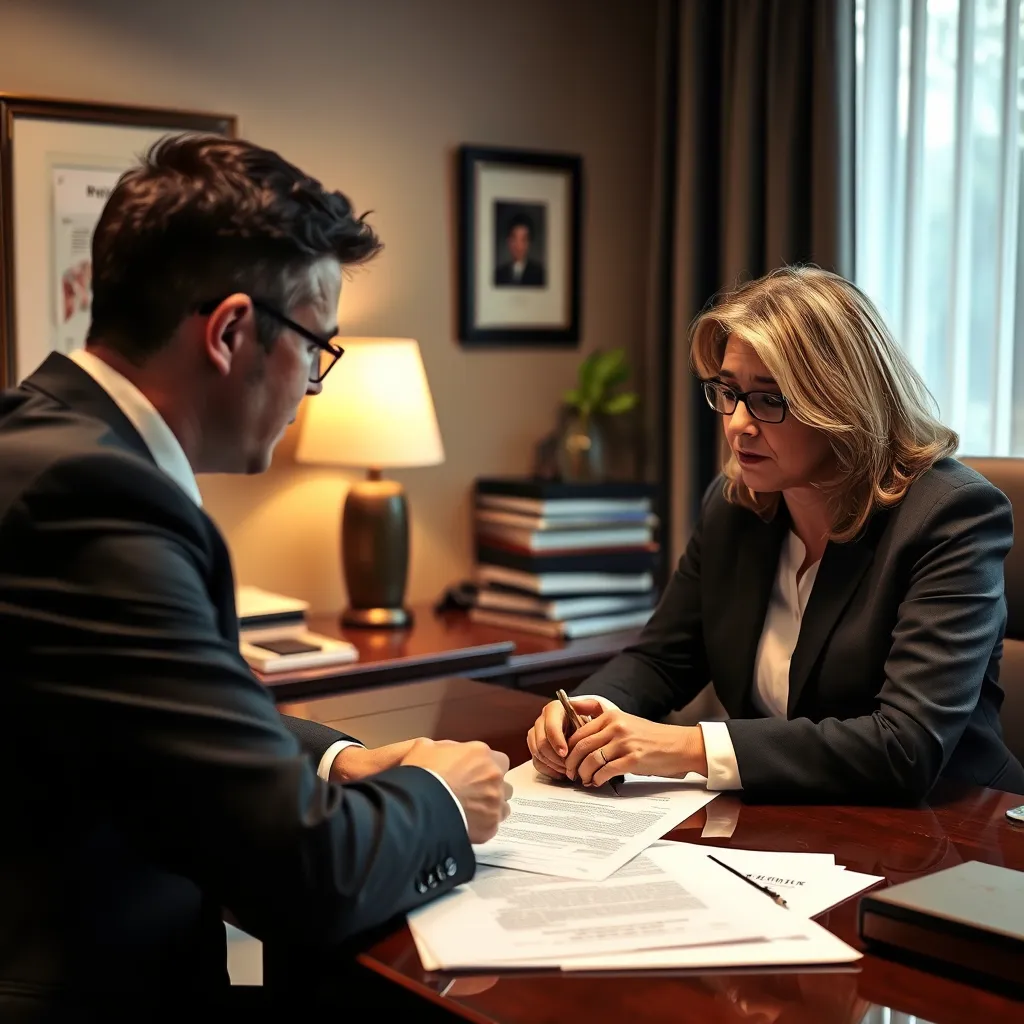
Trial Separation Lawyer Alexandria, VA
A trial separation is a practical decision many Alexandria couples make — living apart for a period of time to evaluate whether the marriage can be saved or whether divorce is the next step. In Virginia, a trial separation is not a formal legal status; however, the time you spend separated can become the foundation for a no-fault divorce if you and your spouse ultimately decide not to reconcile. Mr. Sris and his Of Counsel at Law Offices Of SRIS, P.C. help clients in Alexandria and across Northern Virginia navigate the separation process, from drafting separation agreements that protect your rights to filing for divorce when the time comes. If you are considering a trial separation or need guidance on how to structure your living arrangements, reach our Arlington location at (888) 437-7747 to schedule a consultation. Law Offices Of SRIS, P.C. – Advocacy Without Borders.
What Is Trial Separation and How Does It Affect Divorce in Alexandria, Virginia?
A trial separation occurs when spouses decide to live apart while they assess the future of their marriage. It is not a court-ordered arrangement; rather, the couple voluntarily creates distance, often with the goal of determining whether to reconcile or proceed to divorce. In Virginia, the period of separation can later form the basis for a no-fault divorce. Under Virginia Code § 20-91(9)(a), a divorce may be granted after the spouses have lived separate and apart without cohabitation for one year. If there are no minor children of the marriage and the parties have entered into a written separation agreement, that period shortens to six months under § 20-91(9)(b). Because Alexandria courts — including the Alexandria Circuit Court and the Alexandria Juvenile and Domestic Relations District Court — handle divorce, custody, and support matters, it is important that any separation, even a trial one, is clearly established and documented. A separation agreement signed during or after the trial period can resolve property division, spousal support, and custody arrangements, making a future divorce smoother and less contested. Mr. Sris and his Of Counsel can help you draft an agreement that reflects your situation and complies with Virginia law, so that if reconciliation does not happen, the statutory separation requirement is already underway.
Frequently Asked Questions
What is the difference between a trial separation and a legal separation in Virginia?
Virginia does not recognize “legal separation” as a court-ordered status, but a trial separation is a voluntary period of living apart that can satisfy the state’s divorce waiting period. In some states, a legal separation results in a court decree that resolves support and property issues while the marriage remains intact. Virginia law does not provide for such a decree. However, couples can achieve similar results by negotiating and signing a separation agreement that addresses custody, support, and property division. That agreement can be enforced as a contract. Once signed, the agreement can also serve as the basis for an uncontested divorce after the required separation period.
How long do you need to be separated before you can file for divorce in Alexandria?
In Alexandria, like the rest of Virginia, you must be separated for at least one year before filing for a no-fault divorce, or six months if you have no minor children and a signed separation agreement. The one-year period applies when there are minor children of the marriage or no written separation agreement. The six-month track under Va. Code § 20-91(9)(b) is available if the spouses have no minor children and have executed a separation agreement. The clock starts the day you begin living separate and apart with the intent to end the marriage, and you must remain separated without cohabitation during that entire time. Alexandria Circuit Court hears divorce cases for Alexandria residents.
Can a trial separation affect child custody or support in Alexandria?
While a trial separation does not automatically change legal custody or support obligations, the practical living arrangement you establish during separation can influence later custody and support determinations. If you and your spouse cannot agree on a parenting schedule during the separation, you may need to seek a custody or support order from the Alexandria Juvenile and Domestic Relations District Court. The court will apply the trusted-interests factors under Virginia Code § 20-124.3, considering the child’s relationship with each parent, the stability of each home, and any history of family abuse. A temporary pendente lite order can provide structure during separation until a final decree is entered.
Do I need a separation agreement during a trial separation in Virginia?
You are not required to have a separation agreement during a trial separation, but entering into one can protect your rights and may later allow you to finalize a divorce more quickly. A separation agreement resolves issues like property division, spousal support, and child custody upfront, reducing conflict if the trial separation leads to divorce. Even if you later reconcile, the agreement can be set aside by mutual consent. If you divorce, a signed agreement satisfies the written-separation-agreement requirement for the six-month no-fault ground and gives the court a clear blueprint for your final decree. Mr. Sris and his Of Counsel can draft an enforceable agreement tailored to your needs.
Is Virginia a community property state when it comes to dividing assets after separation?
No, Virginia is an equitable distribution state, not a community property state. Under Virginia Code § 20-107.3, the circuit court divides marital property fairly but not necessarily equally. The court considers factors such as the duration of the marriage, each spouse’s contributions, and the circumstances experienced to the divorce. Separate property — assets owned before marriage or acquired by gift or inheritance — is not subject to division. The date of separation is important because property acquired after that date may be classified as separate, provided it is not purchased with marital funds. A separation agreement can also specify how property will be divided, potentially avoiding litigation over complex assets.
Can I date during a separation in Alexandria, Virginia?
Dating during a separation is legally permissible, but it can complicate divorce proceedings, particularly if adultery is alleged or if it affects custody and support. Virginia still recognizes fault-based divorce grounds, including adultery. While a no-fault divorce does not require proof of fault, if you begin a new relationship before a final divorce decree and the conduct impacts child custody or spousal support, the court may take it into account. For example, introducing a new partner to your children early in the separation could raise concerns about stability. It is wise to discuss the possible implications with a family law attorney before making decisions that could affect your case.
What if my spouse does not agree to a trial separation?
You do not need your spouse’s consent to begin living apart; a trial separation does not require a mutual agreement. In Virginia, a separation can be initiated by one party leaving the marital home. However, voluntarily leaving the home without a custody or visitation agreement in place could potentially be used against you in a custody dispute. If your spouse is uncooperative, you may need to seek temporary court orders for custody, support, and exclusive use of the home. An attorney can help you understand your rights and the safest way to separate without prejudicing your legal position.
How does a trial separation affect property division in Virginia?
The date of separation generally marks the end of the marital estate for equitable distribution purposes; property acquired after that date is typically separate property. Under Virginia Code § 20-107.3, the court classifies and values marital property as of the date of separation, unless a different valuation date is appropriate. Debts incurred after separation for non-marital purposes are usually assigned to the spouse who incurred them. A separation agreement can further define how property and debts will be handled, reducing ambiguity. If you are considering a trial separation, documenting your financial situation and consulting with counsel can help protect your separate assets and clarify your marital estate.
Should I hire a lawyer for a trial separation in Alexandria?
While you are not required to have a lawyer for a trial separation, legal guidance can help you avoid mistakes that affect divorce, custody, and property division later. An experienced family law attorney can advise you on whether to move out, how to communicate about separation terms, and whether a separation agreement is appropriate. The Alexandria courts have their own procedures and scheduling practices; an attorney familiar with Alexandria’s Circuit Court and Juvenile and Domestic Relations District Court can help you anticipate what to expect. Mr. Sris and his Of Counsel at Law Offices Of SRIS, P.C. have extensive experience handling family law matters in Alexandria and throughout Northern Virginia. For guidance on your specific situation, reach our Arlington location at (888) 437-7747.
About Mr. Sris and His Of Counsel Team
Mr. Sris, Owner and Founder of Law Offices Of SRIS, P.C., has practiced family law in Virginia since 1997. He is a former prosecutor whose trial experience informs the approach he and his Of Counsel team bring to each separation and divorce matter. Mr. Sris testified before the Virginia House Courts of Justice Committee in support of 2019 HB 635 (chief patron Del. David Bulova). His Of Counsel include attorneys with backgrounds in state prosecution, law enforcement, and CPS work, providing a depth of perspective that serves Alexandria families. Mr. Sris and his Of Counsel bring extensive combined legal experience. Results may vary. Mr. Sris is admitted in Virginia, Maryland, the District of Columbia, New Jersey, and New York. Reach our Arlington location at (888) 437-7747 to discuss your trial separation question with a trusted advisor.
Our firm also handles family law matters in nearby localities:
- Fairfax County Family Law Lawyer
- Fairfax City Family Law Lawyer
- Falls Church Family Law Lawyer
- Prince William County Family Law Lawyer
- Manassas Family Law Lawyer
Attorney advertising. Prior results do not guarantee a similar outcome. Results may vary.
Case results depend on a variety of factors unique to each case.