
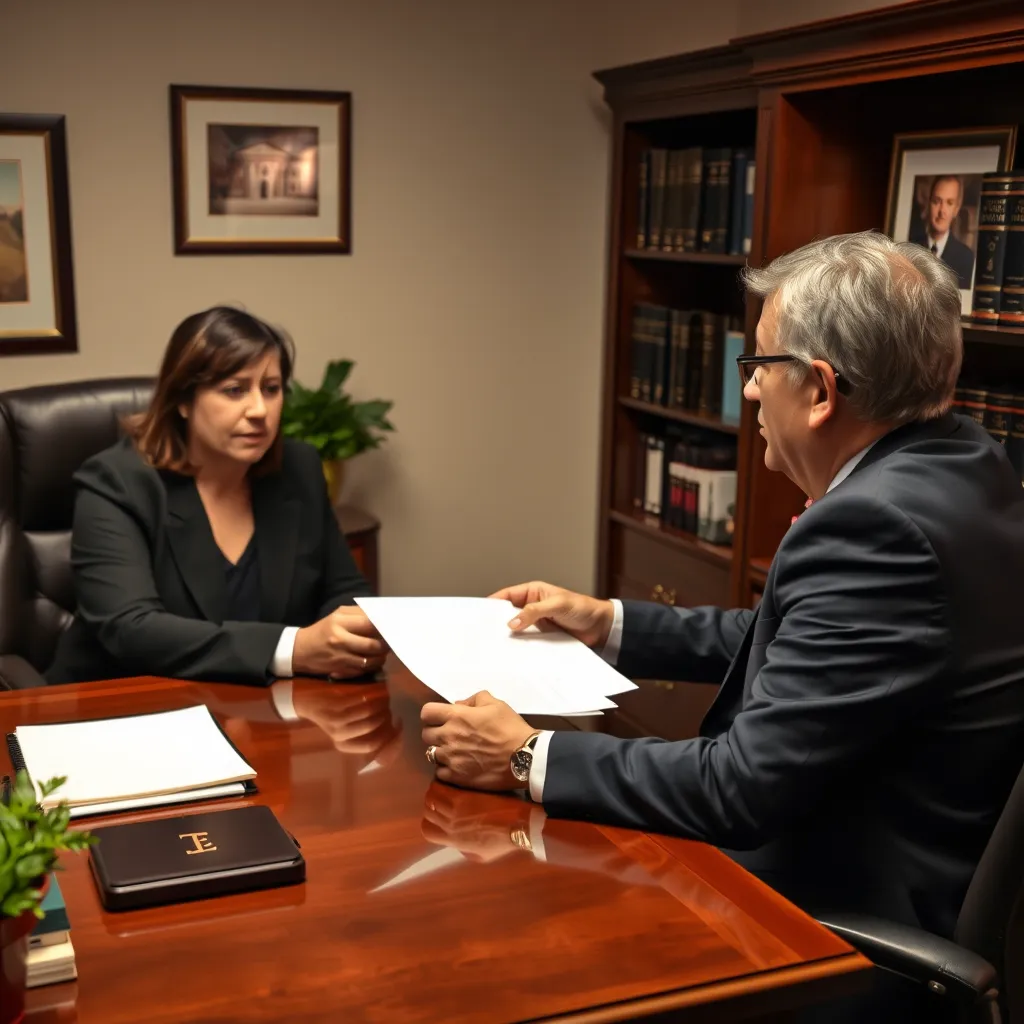
Note: This article is confirmed by Law Offices Of SRIS, P.C.
WRITTEN BY: Mr. Sris
Since 1997, Mr. Sris has led the firm, focusing on the most challenging criminal and family law cases… His background in accounting and information management aids in financial and technology-related cases… Involved in significant legislative changes in Virginia.
Insight: My focus since founding the firm in 1997 has always been directed towards personally handling the most challenging and involved criminal and family law matters our clients face.
Insight: I find my background in accounting and information management provides a unique advantage when handling the intricate financial and technological aspects inherent in many modern legal cases.
Insight: As someone deeply involved in the community, I believe it’s important to not only practice law but also to actively participate in shaping it, which is why I dedicated effort towards amending Virginia Code § 20-107.3 and achieving state recognition for cultural milestones.
Special Proceedings Lawyer Herndon VA
What is Special Proceedings
Special proceedings encompass various legal matters that follow specific statutory procedures rather than standard civil litigation rules. These cases often involve administrative appeals, certain family law matters, and other attorney legal processes. The procedures differ significantly from regular court cases, with distinct filing requirements, timelines, and hearing formats.
Family Court Proceedings Lawyer Herndon VA handles matters that may involve special proceedings within family law contexts. These can include protective orders, certain custody modifications, and other family-related matters requiring attorney approaches. Each type of special proceeding has its own set of rules governing how cases progress through the legal system.
Defense strategies in special proceedings focus on understanding and applying the specific procedural rules that govern each type of case. This includes proper filing techniques, adherence to unique timelines, and presenting arguments within the framework established for that particular proceeding. Professional insight emphasizes the importance of procedural compliance in these matters.
Real-Talk Aside: These procedures have strict deadlines and specific requirements. Missing one detail can affect your case outcome.
How to Handle Special Proceedings
Managing special proceedings begins with identifying the specific type of proceeding and understanding its governing rules. Each category has distinct requirements for initiating cases, serving documents, and presenting evidence. Special Court Lawyer Herndon VA approaches these matters by first determining the applicable procedural framework and then developing a strategy within those parameters.
The process typically involves filing specific documents with the court, following unique service requirements, and adhering to attorney timelines. Some proceedings may require administrative exhaustion before court involvement, while others have immediate judicial review options. Understanding these pathways is essential for effective case management.
Defense approaches in special proceedings focus on procedural compliance while building substantive arguments. This includes ensuring all required documents are properly filed, meeting all deadlines, and presenting evidence in formats acceptable within the specific proceeding’s rules. Strategic considerations include whether to seek alternative resolutions within the proceeding’s framework.
Real-Talk Aside: These processes demand precision. Every step must follow specific rules to avoid procedural setbacks.
Can I Represent Myself in Special Proceedings
Individuals have the right to represent themselves in most special proceedings, but the unique procedural requirements present significant challenges. These matters involve specific filing procedures, attorney terminology, and distinct evidentiary standards that differ from regular court cases. Family Court Proceedings Lawyer Herndon VA notes that family-related special proceedings often have particularly detailed requirements.
The process of self-representation requires thorough understanding of the specific proceeding’s rules, including document preparation, filing deadlines, and hearing procedures. Many special proceedings have abbreviated timelines and specific formatting requirements that can be difficult to manage without legal training. Missing procedural steps can result in case dismissal or unfavorable outcomes.
Defense considerations for self-represented individuals include understanding waiver implications, procedural default risks, and available resources. Some courts provide limited assistance for self-represented parties, but this varies by jurisdiction and proceeding type. Professional insight emphasizes that procedural errors in special proceedings can have substantial consequences.
Real-Talk Aside: These rules are specific and unforgiving. One mistake in procedure can undermine your entire case.
Why Hire Legal Help for Special Proceedings
Professional legal representation in special proceedings offers understanding of the distinct procedural frameworks governing these matters. Attorneys familiar with special proceedings understand the specific filing requirements, timelines, and presentation formats unique to each type of case. This knowledge helps ensure proper case management from initiation through resolution.
The assistance process involves analyzing the specific proceeding type, developing strategies within established rules, and managing all procedural aspects. Legal professionals can identify potential procedural pitfalls, ensure compliance with all requirements, and present cases effectively within the attorney framework. This includes handling administrative aspects that may precede judicial review.
Defense benefits include procedural compliance, strategic argument presentation, and effective use of available remedies within the proceeding’s structure. Professional representation helps handle the unique aspects of special proceedings while protecting rights and interests. This support can be particularly valuable in matters with tight deadlines or involved procedural requirements.
Real-Talk Aside: These matters have specific rules that professionals understand. Proper guidance helps avoid procedural errors that could affect your case.
FAQ:
What are special proceedings in Virginia law?
Special proceedings are legal matters with specific procedures different from standard court cases.
How do special proceedings differ from regular cases?
They follow distinct rules for filing, timelines, and hearing formats unique to each proceeding type.
What types of matters involve special proceedings?
These include certain administrative appeals, protective orders, and attorney family law matters.
Can I handle a special proceeding without an attorney?
While possible, the unique procedural rules make professional guidance valuable for effective management.
What are common mistakes in special proceedings?
Missing deadlines, improper filing, and not following specific procedural requirements are common issues.
How long do special proceedings typically take?
Timelines vary by proceeding type, with some having accelerated schedules and specific deadlines.
What documents are needed for special proceedings?
Requirements differ by proceeding type but often include specific forms and supporting documentation.
Are hearings different in special proceedings?
Yes, hearing formats and procedures often follow distinct rules established for each proceeding type.
Can special proceedings be appealed?
Appeal rights exist but follow specific procedures different from standard case appeals.
What costs are involved in special proceedings?
Costs vary by proceeding type and may include filing fees and documentation expenses.
How do I start a special proceeding?
Initiation requires filing specific documents following the unique procedures for that proceeding type.
What happens if I miss a deadline in special proceedings?
Missing deadlines can result in case dismissal or loss of rights within the proceeding.
Past results do not predict future outcomes