
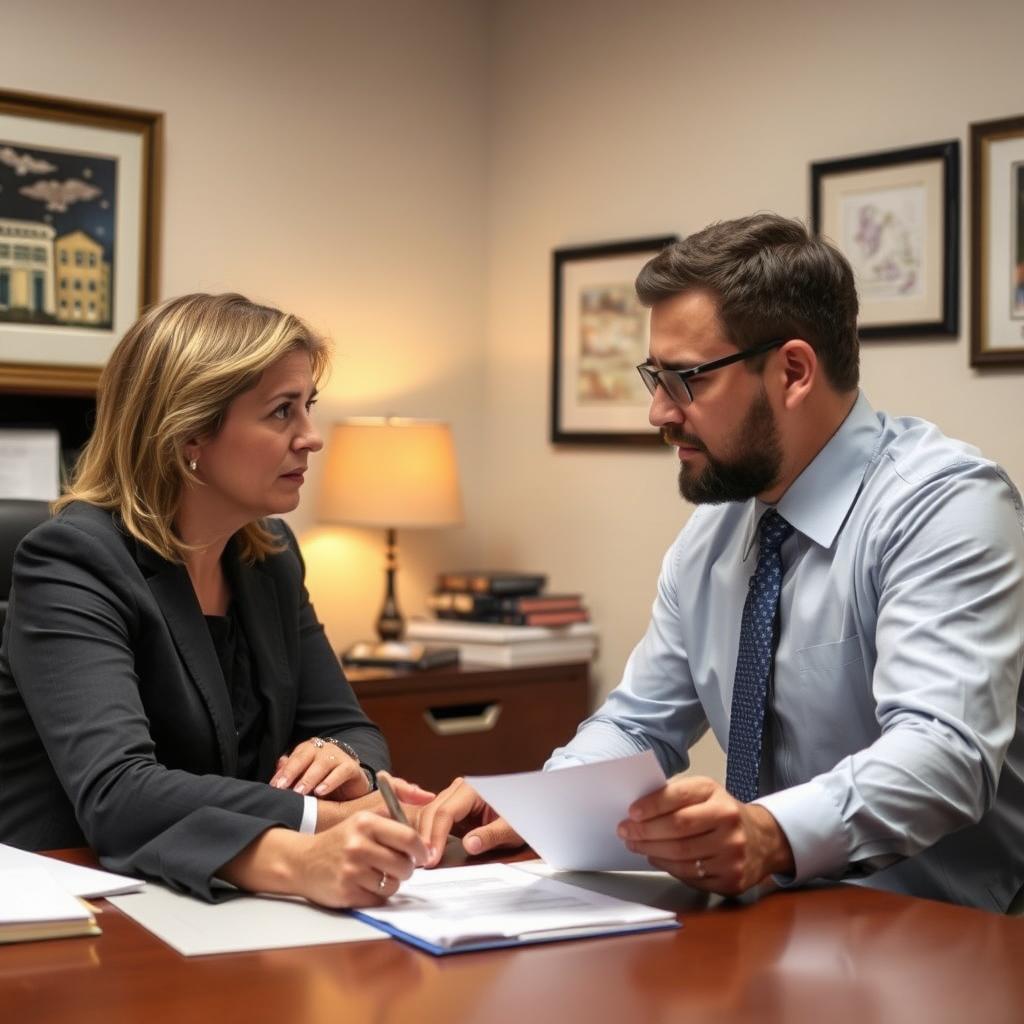
Settlement Lawyer Fairfax County
You need a settlement lawyer Fairfax County when resolving a legal dispute without a trial. A settlement lawyer Fairfax County drafts and negotiates binding agreements to end litigation or prevent it. Law Offices Of SRIS, P.C.—Advocacy Without Borders. provides focused counsel for these critical contracts. Our team ensures your rights and future interests are protected in any negotiated resolution. (Confirmed by SRIS, P.C.)
Statutory Definition of Settlement Agreements in Virginia
Settlement agreements in Virginia are contracts governed by common law and specific statutes enforcing their terms. While no single code defines “settlement,” its enforcement is critical. Virginia courts strongly favor upholding voluntary settlement agreements to conserve judicial resources. Once signed, a settlement contract is as binding as any court order. Breaching it can lead to separate legal action for enforcement.
Va. Code § 8.01-581.21 — Contract — Enforceable by Court Order. This statute is part of the Virginia Uniform Mediation Act. It provides that a written settlement agreement reached during mediation is enforceable. The agreement can be enforced by the court in the same manner as any other written contract. This gives mediated settlements significant legal weight in Fairfax County courts.
The key to a strong settlement is its clarity and completeness. Vague terms invite future disputes and enforcement problems. A settlement lawyer Fairfax County drafts precise language covering all contingencies. This includes payment schedules, confidentiality clauses, and mutual releases of claims. Proper drafting prevents the other party from reopening the case later.
A settlement agreement is a legally binding contract.
Once all parties sign, it terminates the underlying legal dispute. The court typically dismisses the original lawsuit with prejudice. This means the same claim cannot be filed again. The agreement itself becomes the new governing document between the parties. Its terms are enforceable through a separate breach of contract lawsuit.
Virginia law favors enforcing properly executed settlements.
Courts view settlements as final resolutions to litigation. Judges in Fairfax County will enforce a clear settlement agreement. They do this to promote judicial efficiency and respect party autonomy. A party seeking to back out faces a high legal burden. They must prove fraud, duress, or a mutual mistake of fact.
Mediated settlements have specific enforceability under Virginia code.
Va. Code § 8.01-581.21 provides a direct path to enforce mediated agreements. A party can file a motion with the court to enter the agreement as an order. This process is often faster than a standard breach of contract suit. It applies to settlements reached in court-ordered or private mediation. A Virginia family law attorney often uses this statute in divorce cases.
The Insider Procedural Edge in Fairfax County
The Fairfax County Circuit Court handles most settlement enforcement actions at 4110 Chain Bridge Road, Fairfax, VA 22030. This court is where you file a motion to enforce a settlement or a new lawsuit for breach. The clerk’s Location for the Circuit Court is on the second floor. Knowing the exact filing procedure saves critical time when you need to act.
Procedural specifics for Fairfax County are reviewed during a Consultation by appointment at our Fairfax County Location. Filing fees vary based on the type of motion or new civil action you initiate. The local court rules require strict adherence to formatting and service requirements. Missing a deadline or filing incorrectly can delay enforcement for months. Having a lawyer familiar with this courthouse is a decisive advantage.
Fairfax County judges manage heavy dockets and expect efficiency. Your filings must be precise and procedurally perfect. Submitting a well-drafted motion with the settlement agreement attached is standard. The judge may schedule a brief hearing to confirm the agreement’s terms. If the other party contests, the court will hold an evidentiary hearing.
You file enforcement actions at the Fairfax County Circuit Court.
The address is 4110 Chain Bridge Road in the City of Fairfax. This is the main judicial center for the county. The civil division clerk processes these motions. You must file the original settlement agreement with your motion. The court needs to see the signed contract to evaluate it.
The timeline for enforcement depends on the method used.
A motion to enforce a mediated settlement can be relatively quick. A new breach of contract lawsuit follows standard civil litigation timelines. The Fairfax County court schedule impacts hearing dates significantly. Responding to opposition from the other party will add time. A criminal defense representation firm like ours understands court calendars.
Filing fees are required to initiate any court action.
The current fee for a civil motion is set by Virginia statute. Fees for filing a new lawsuit are higher and based on the damages sought. These costs are also to your legal fees for our experienced legal team. The clerk’s Location will not process paperwork without the correct payment. Fee schedules are posted online by the Supreme Court of Virginia.
Penalties for Breach and Defense Strategies
The most common penalty is a court order for specific performance plus paying the other side’s legal fees. When a party breaches a settlement, the court can force them to comply. The non-breaching party can also seek monetary damages for any losses. Courts have broad discretion to craft a remedy that makes the injured party whole. This often includes awarding attorneys’ fees incurred to enforce the deal.
| Offense | Penalty | Notes |
|---|---|---|
| Failure to Make Payment | Judgment for owed amount + interest + fees | Court can order wage garnishment or asset seizure. |
| Violating a Non-Disclosure Clause | Injunctive relief + monetary damages | Damages are hard to prove but may be stipulated in the agreement. |
| Refusing to Sign Related Documents | Court order for specific performance | Judge can sign on behalf of the refusing party. |
| Breach of a Non-Compete Agreement | Injunction + potential liquidated damages | Fairfax County courts scrutinize non-compete reasonableness. |
[Insider Insight] Fairfax County prosecutors in civil enforcement contexts, like the Commonwealth’s Attorney acting on behalf of the state, prioritize clear-cut breaches. They have little patience for parties who agree to a deal in court and then renege. Judges in this jurisdiction will quickly grant enforcement motions where the agreement is unambiguous. They frequently award attorneys’ fees to the party forced to file the motion. This trend makes having precise contract language drafted by a settlement lawyer Fairfax County essential.
Defense against an enforcement action is difficult but possible. Valid defenses include proving the agreement was signed under duress or fraud. Showing a mutual mistake about a fundamental fact can also void a contract. If the agreement’s terms are impossibly vague, a court may decline to enforce it. These are high legal standards to meet, requiring strong evidence.
Monetary damages are calculated from the breach.
Damages aim to put the non-breaching party in the position they would have been in if the settlement was performed. This can include direct financial losses and consequential damages. The settlement agreement itself may define “liquidated damages” for specific breaches. Virginia law enforces these clauses if they are a reasonable estimate of actual harm. Courts disallow penalties disguised as liquidated damages.
A breach can result in the original lawsuit being reinstated.
If a settlement fails, the plaintiff may ask the court to vacate the dismissal and reopen the case. This is not automatic and is at the judge’s discretion. The court will consider the breach’s nature and the stage of the original litigation. This is a risky outcome for a defendant who thought the case was over. It highlights the need for a reliable settlement partner and a solid agreement.
Strategic defenses focus on contract formation flaws.
Lack of mutual assent, also known as a “meeting of the minds,” can invalidate a contract. Demonstrating that one party lacked the legal capacity to sign is another defense. Unconscionability, where terms are extremely one-sided, may provide a defense. These arguments require detailed factual development and legal analysis. An experienced DUI defense in Virginia attorney is skilled in dissecting agreements.
Why Hire SRIS, P.C. for Your Fairfax County Settlement
Our lead settlement attorney for Fairfax County has over fifteen years of litigation experience in Virginia courts. This depth of practice means we understand how judges in this county interpret contract language. We know what provisions they will enforce and which they might reject. This insight is built from years of filing motions and arguing cases in the Fairfax courthouse. We apply this knowledge to draft ironclad settlement agreements for our clients.
Primary Attorney: Our Fairfax County settlement counsel has a proven record in complex negotiations. This attorney focuses on achieving finality and protecting client interests. We approach each settlement with the diligence of a trial attorney preparing for court. Our goal is to create a resolution that withstands any future challenge. We prepare enforcement strategies as we draft the initial agreement.
SRIS, P.C. has a Location in Fairfax to serve clients throughout the county. Our team is accessible and responsive when time-sensitive settlement issues arise. We practice “Advocacy Without Borders,” meaning we bring a determined, resourceful approach to every case. Whether you are settling a business dispute, a personal injury claim, or a family law matter, we provide focused representation. We translate complex legal terms into clear consequences for your decision-making.
Our method involves careful preparation and strategic positioning. We review all underlying facts and documents before drafting or negotiating. We identify potential points of future conflict and address them in the agreement’s language. We advise on the tax implications and long-term effects of release provisions. Hiring SRIS, P.C. means investing in a durable resolution, not just a quick signature.
Localized FAQs for Fairfax County Settlements
What does a settlement lawyer Fairfax County do?
A settlement lawyer Fairfax County drafts, reviews, and negotiates legally binding agreements to resolve disputes. They advise on terms, ensure enforceability under Virginia law, and represent clients in court to enforce or challenge a settlement.
How long does it take to settle a case in Fairfax County?
The timeline varies widely based on case complexity and party willingness to negotiate. A simple agreement can be drafted in days. Contentious negotiations or mediation can take weeks or months to finalize.
Can a settlement agreement be overturned in Virginia?
Overturning a signed settlement is very difficult. Virginia courts require proof of fraud, duress, mutual mistake, or lack of capacity. Mere regret or a better offer is not a valid legal ground to void the contract.
What is the difference between mediation and a settlement?
Mediation is a facilitated negotiation process with a neutral third party. A settlement is the final, binding agreement that results from any negotiation, including mediation. All mediated resolutions result in a settlement contract.
Are settlement negotiations confidential in Fairfax County?
Yes, settlement negotiations are generally protected from disclosure in court under Virginia’s rules of evidence. This rule encourages open dialogue. The final written agreement dictates any ongoing confidentiality obligations.
Proximity, CTA & Disclaimer
Our Fairfax County Location is centrally positioned to serve clients across the region. We are accessible for meetings to discuss your settlement agreement needs. Consultation by appointment. Call 703-278-0400. 24/7.
SRIS, P.C. – Advocacy Without Borders.
Procedural specifics for Fairfax County are reviewed during a Consultation by appointment at our Fairfax County Location.
Past results do not predict future outcomes.