
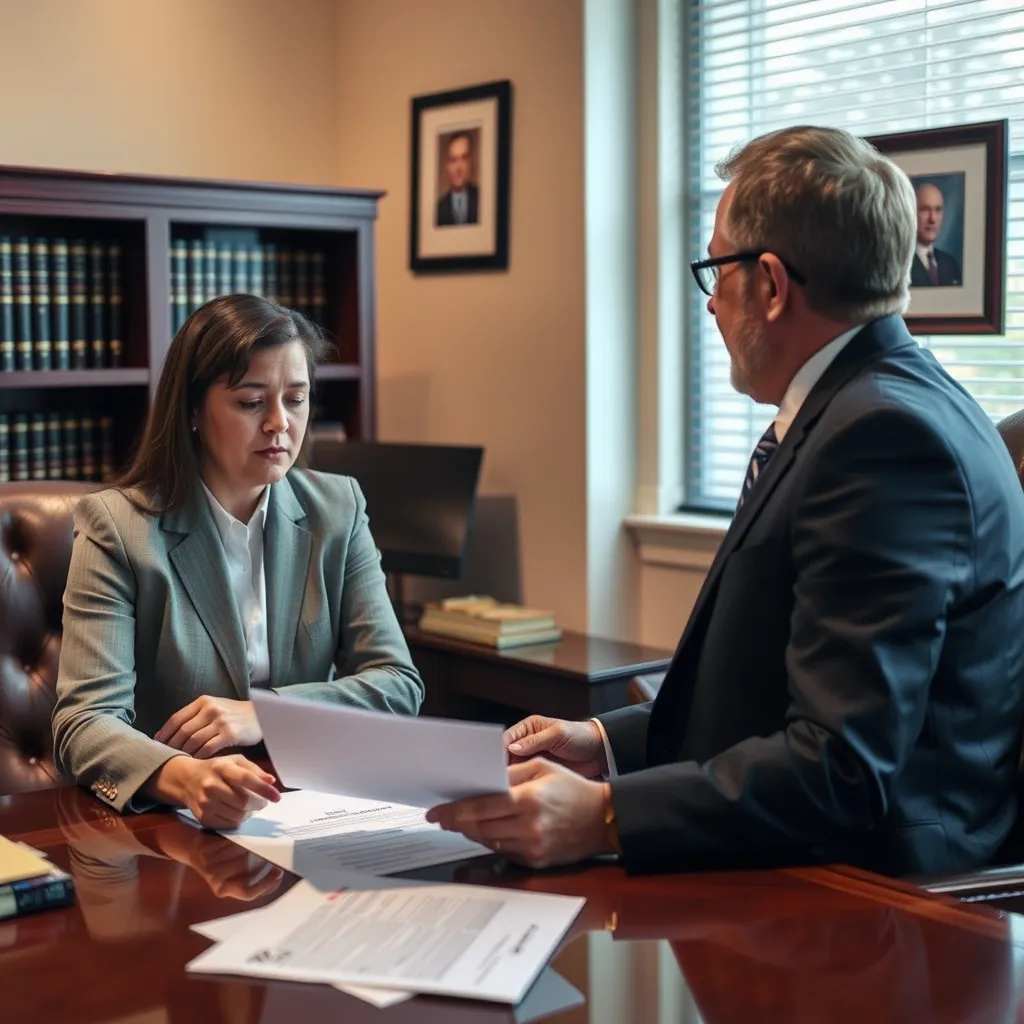
Restraining Order Lawyer Fairfax, VA
Restraining orders—referred to in Virginia as protective orders—are a critical tool for individuals facing threats, violence, or harassment from a family or household member. In Fairfax County and the City of Fairfax, these matters are heard in the Fairfax County Juvenile and Domestic Relations District Court, located at 4110 Chain Bridge Road in Fairfax. When you are seeking protection from abuse or have been served with a petition for a protective order, the legal process moves quickly and demands an experienced multi-state firm that can guide you through each step. Mr. Sris and the firm’s Of Counsel attorneys represent clients in protective order proceedings throughout Northern Virginia. To request a consultation, reach Law Offices Of SRIS, P.C. at (888) 437-7747.
What a Restraining Order Means in Fairfax, Virginia
Under Virginia law, a protective order is a court mandate designed to stop acts of family abuse and prevent further contact between the petitioner and the respondent. The statutory framework is set out in Title 16.1 of the Virginia Code, which governs the Juvenile and Domestic Relations District Courts. In Fairfax County, the Fairfax County J&DR Court—presided over by judges of the Nineteenth Judicial District—has jurisdiction over protective orders when the parties are family or household members, share a child, or have lived together within the previous 12 months. The same statutory provisions also cover petitions filed in the Fairfax City J&DR Court, located at 10455 Armstrong Street. Because protective orders can have immediate consequences for custody, visitation, and firearm possession, having a knowledgeable attorney is important whether you are seeking an order or defending against one.
Virginia recognizes three types of protective orders: emergency protective orders (EPO), preliminary protective orders (PPO), and permanent protective orders. An EPO can be issued by a magistrate or judge when a petition demonstrates imminent danger; it lasts only a few days until a full hearing can be held. A preliminary protective order requires a court hearing and may remain in effect for up to 15 days—or longer if the respondent cannot be served—pending a final hearing. A permanent protective order, following a full evidentiary hearing, may last up to two years and can be extended. Fairfax County treats these matters with the seriousness they deserve, and the court expects all parties to comply with strict procedural deadlines.
How Mr. Sris and the Firm’s Of Counsel Attorneys Handle Restraining Order Cases
Mr. Sris and the firm’s Of Counsel attorneys approach each protective order case by first understanding the client’s objectives—whether it is obtaining immediate protection, defending against allegations, or resolving the matter in a way that minimizes disruption to child custody and family relationships. The process begins with a thorough review of the petition and any supporting evidence, including text messages, emails, medical records, and witness statements. Because protective order hearings are often scheduled quickly, the firm’s attorneys move promptly to gather evidence and prepare a clear presentation for the court.
During the hearing, Mr. Sris and the firm’s Of Counsel attorneys cross‑examine witnesses, challenge the sufficiency of the allegations, and present the client’s side of the story. When representing a petitioner, the focus is on establishing the statutory elements of family abuse and demonstrating the need for protection. When representing a respondent, the strategy often includes demonstrating a lack of credible threat, showing that the petition is being used as leverage in a custody dispute, or negotiating consent orders that protect the respondent’s rights while addressing the petitioner’s concerns. Throughout, the firm emphasizes that protective order proceedings can have collateral consequences—for employment, security clearances, and immigration status—and works to mitigate those risks.
About Mr. Sris and the Firm’s Of Counsel Attorneys
Mr. Sris, Owner and Founder of Law Offices Of SRIS, P.C., has practiced law since 1997 and is admitted in Virginia, Maryland, the District of Columbia, New Jersey, and New York. A former prosecutor, Mr. Sris understands how the opposing party may build a case and brings that perspective to every protective order matter. He testified before the Virginia House Courts of Justice Committee in support of 2019 HB 635 (chief patron Del. David Bulova). Mr. Sris and the firm’s Of Counsel attorneys bring extensive combined legal experience to family law matters, including protective order cases. Results may vary.
Frequently Asked Questions
What is the difference between a preliminary and permanent protective order in Virginia?
A preliminary protective order (PPO) is a short-term order issued after a brief hearing, while a permanent protective order follows a full evidentiary hearing and can last up to two years. The PPO provides immediate relief pending service on the respondent and a final hearing. At the final hearing, the court will consider all evidence and decide whether the facts support issuance of a permanent order. A permanent order may include provisions for custody, support, exclusive use of the home, and other relief. An experienced attorney can help you present the necessary evidence at both stages.
How do I file for a protective order in Fairfax County?
You must go to the Fairfax County Juvenile and Domestic Relations District Court clerk’s office to complete a petition and appear before a judge or magistrate. The court is located at 4110 Chain Bridge Road in Fairfax. Forms are available at the clerk’s office, and intake staff can assist with the paperwork. Because the process moves quickly, consulting with an attorney before filing can help ensure your petition is properly supported. For guidance, reach Law Offices Of SRIS, P.C. at (888) 437-7747.
Can a protective order affect child custody in Virginia?
Yes, a protective order can include temporary custody and visitation provisions that may shape the outcome of a full custody case. The court will consider any history of family abuse when making custody determinations under Va. Code § 20‑124.3. A finding of abuse can weigh heavily against the offending parent’s fitness. Conversely, if a protective order is denied or dissolved, that result can strengthen the respondent’s position in a custody dispute. Mr. Sris and the firm’s Of Counsel attorneys handle both protective order and custody matters to ensure a coordinated strategy. India is not a signatory to the 1980 Hague Convention on Civil Aspects of International Child Abduction.
Do I need a lawyer for a protective order hearing in Fairfax?
You are not required to have a lawyer, but representation can significantly affect the outcome because the rules of evidence apply and the consequences are serious. An attorney can cross‑examine witnesses, object to improper evidence, and present a compelling case on your behalf. Because a permanent protective order can restrict where you live, your firearm rights, and your time with your children, having experienced counsel is strongly advisable. To discuss your matter, contact Law Offices Of SRIS, P.C. at (888) 437-7747.
What should I bring to court for a protective order hearing?
You should bring any evidence that supports your position—text messages, emails, photographs, medical records, and a list of witnesses who can testify on your behalf. Organize the evidence chronologically and make copies for the judge and the other party. Also bring any prior court orders, police reports, and documentation of the family or household relationship. The court expects a clear, focused presentation, and your attorney can help you decide which evidence is most persuasive and admissible under the Virginia Rules of Evidence.
Attorney advertising. Prior results do not guarantee a similar outcome. Case results depend on a variety of factors unique to each case. Results may vary.