
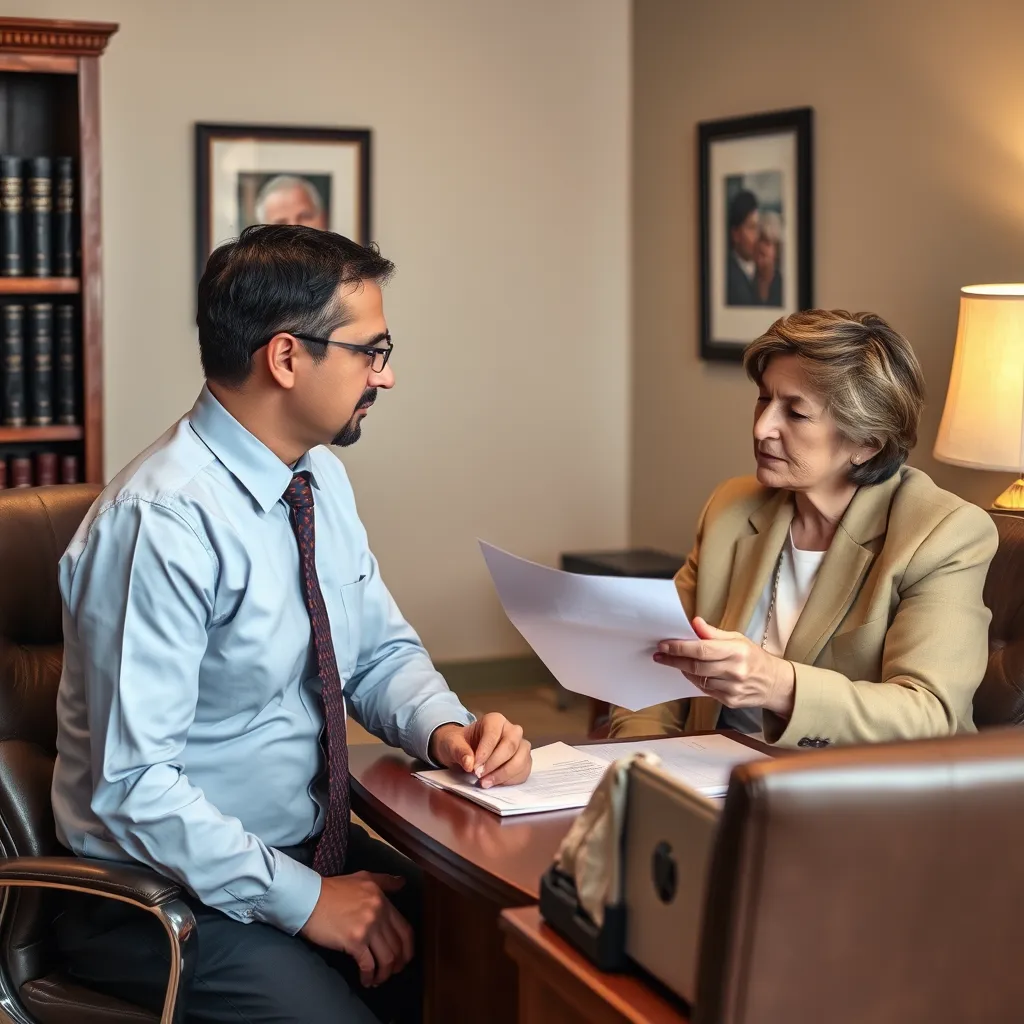
Note: This article is confirmed by Law Offices Of SRIS, P.C.
WRITTEN BY: Mr. Sris
Since 1997, Mr. Sris has led the firm, focusing on the most challenging criminal and family law cases… His background in accounting and information management aids in financial and technology-related cases… Involved in significant legislative changes in Virginia.
Insight: My focus since founding the firm in 1997 has always been directed towards personally handling the most challenging and involved criminal and family law matters our clients face.
Insight: I find my background in accounting and information management provides a unique advantage when handling the intricate financial and technological aspects inherent in many modern legal cases.
Insight: As someone deeply involved in the community, I believe it’s important to not only practice law but also to actively participate in shaping it, which is why I dedicated effort towards amending Virginia Code § 20-107.3 and achieving state recognition for cultural milestones.
Relative Adoption Lawyer Ashburn VA
What is Relative Adoption
Relative adoption represents a legal process where family members assume parental responsibilities for children within their kinship network. This arrangement typically involves grandparents, aunts, uncles, or other relatives stepping in to provide permanent homes for children who cannot remain with their biological parents. The legal framework for these adoptions follows established family law principles while addressing specific kinship considerations.
The adoption process begins with determining eligibility and gathering necessary documentation. Relatives must demonstrate their ability to provide stable homes and meet the child’s needs. Home studies evaluate living conditions, financial stability, and emotional readiness. Background checks ensure child safety, while references establish character and suitability for parenting responsibilities.
Legal procedures involve filing petitions with appropriate courts and obtaining necessary consents. When biological parents cannot provide consent, termination of parental rights may be required through separate legal proceedings. Courts examine whether adoption serves the child’s best interests, considering emotional bonds, cultural connections, and family continuity. Documentation must demonstrate the relative’s capacity to provide long-term care and support.
Defense strategies focus on addressing potential challenges that may arise during adoption proceedings. These include objections from biological parents, concerns about home environments, or questions about the relative’s suitability. Our attorneys develop comprehensive approaches to address these issues, presenting evidence of stable home environments, financial capability, and strong emotional bonds between relatives and children.
Professional insight emphasizes the importance of thorough preparation and understanding of Virginia adoption laws. Each case presents unique circumstances requiring tailored approaches. Our experience with kinship adoptions helps relatives handle legal requirements while preserving family relationships and cultural connections.
How to Pursue Relative Adoption
Pursuing relative adoption requires systematic attention to legal procedures and documentation. The process begins with initial consultations to assess case specifics and determine appropriate approaches. Our attorneys evaluate family situations, identify potential challenges, and develop strategies for successful adoption outcomes.
Action steps start with gathering essential documentation, including birth certificates, identification records, and relationship verification. Home study preparations involve organizing living spaces, financial records, and personal references. Background checks require fingerprinting and clearance processes through appropriate agencies. Medical examinations ensure physical capability to care for children, while financial documentation demonstrates stability and support capacity.
Process management involves coordinating with social workers, court personnel, and other professionals. Timely submission of required forms prevents delays in adoption proceedings. Our attorneys monitor deadlines, prepare necessary filings, and ensure proper service of legal documents. Communication with all parties maintains transparency and addresses concerns promptly.
Defense approaches address potential objections or challenges that may arise. These include responding to biological parent concerns, addressing court inquiries, or providing additional evidence when requested. Our attorneys prepare comprehensive responses and supporting documentation to demonstrate the adoption’s benefit to the child’s welfare.
Strategic planning considers long-term implications of adoption decisions. We help relatives understand legal responsibilities, financial obligations, and emotional commitments involved in parenting. Education about adoption effects on inheritance rights, medical decision-making, and educational authority ensures informed choices.
Professional guidance emphasizes careful attention to detail throughout the adoption process. Each document must be completed accurately, each requirement met precisely, and each deadline observed strictly. Our experience helps relatives avoid common pitfalls and handle involved legal requirements effectively.
Can I Adopt a Relative’s Child
Many relatives consider adopting children within their family but wonder about eligibility requirements. The answer depends on multiple factors including relationship type, legal circumstances, and ability to meet the child’s needs. Our attorneys evaluate individual situations to determine adoption feasibility and appropriate approaches.
Eligibility considerations begin with relationship verification. Close relatives including grandparents, aunts, uncles, and adult siblings typically qualify for adoption consideration. More distant relatives may require additional justification demonstrating established relationships and emotional bonds. Documentation must prove biological connections through birth certificates, family records, or genetic testing when necessary.
Legal status evaluation examines current parental rights and consent availability. When biological parents voluntarily consent to adoption, the process proceeds more smoothly. When consent cannot be obtained, termination of parental rights may be necessary through separate legal proceedings. Courts consider abandonment, neglect, or inability to provide care as grounds for termination.
Home environment assessment evaluates living conditions, financial stability, and emotional readiness. Social workers conduct home studies examining physical spaces, safety measures, and family dynamics. Financial documentation demonstrates ability to provide for the child’s needs including housing, education, and medical care. Emotional preparedness considers the relative’s understanding of parenting responsibilities and commitment to long-term care.
Defense considerations address potential challenges to adoption eligibility. These may include objections from biological parents, concerns about age or health, or questions about criminal history. Our attorneys develop strategies to address these concerns, presenting evidence of suitability and the adoption’s benefit to the child’s welfare.
Professional evaluation emphasizes realistic assessment of adoption feasibility. We help relatives understand requirements, potential obstacles, and likely timelines. Honest discussion about challenges and commitments ensures informed decisions about pursuing adoption.
Why Hire Legal Help for Relative Adoption
Hiring legal help for relative adoption provides significant advantages throughout the adoption process. Attorneys offer guidance, preparation, and representation that increase adoption success likelihood while reducing stress and uncertainty for families.
Procedural knowledge ensures proper completion of legal requirements. Adoption involves specific forms, filings, and court procedures that must be followed precisely. Missing deadlines, incomplete documentation, or procedural errors can delay or prevent adoption completion. Our attorneys manage these details, ensuring all requirements are met correctly and timely.
Documentation preparation involves gathering and organizing necessary records. Birth certificates, identification documents, financial records, and home study reports must be collected and presented appropriately. Our attorneys help compile comprehensive documentation packages that demonstrate eligibility and suitability for adoption.
Challenge management addresses potential obstacles that may arise during adoption proceedings. These include objections from biological parents, court inquiries, or requests for additional information. Our attorneys develop responses and strategies to address these challenges, presenting evidence and arguments supporting the adoption.
Court representation provides professional advocacy during hearings and proceedings. Attorneys present cases effectively, respond to judge questions, and address legal issues that arise. Professional representation ensures the relative’s position receives proper consideration and presentation.
Strategic planning considers long-term implications of adoption decisions. We help relatives understand legal responsibilities, financial obligations, and emotional commitments involved in parenting. Education about adoption effects ensures informed choices and preparation for parenting responsibilities.
Professional support reduces stress and uncertainty throughout the adoption process. Knowing an experienced attorney manages legal aspects allows relatives to focus on building relationships with children and preparing home environments. Our guidance provides reassurance during what can be emotionally challenging proceedings.
FAQ:
What documents are needed for relative adoption?
Required documents include birth certificates, identification, financial records, home study reports, and consent forms when available.
How long does relative adoption take?
The process typically takes several months depending on case specifics, court schedules, and documentation completion.
Can grandparents adopt grandchildren?
Yes, grandparents can adopt grandchildren when biological parents cannot provide care and legal requirements are met.
What if biological parents object?
Objections may require separate legal proceedings to address parental rights before adoption can proceed.
Are home studies required?
Yes, home studies evaluate living conditions, safety, and suitability for child placement.
What costs are involved?
Costs include court fees, home study expenses, and legal fees depending on case challenge.
Can relatives adopt across state lines?
Interstate adoption requires compliance with additional legal requirements and coordination between states.
What happens after adoption?
After adoption, relatives assume full legal parenting responsibilities including decision-making and support obligations.
Can adoption be reversed?
Adoption reversal is extremely rare and requires specific legal grounds demonstrating adoption was improper.
What support is available after adoption?
Various community resources provide support for adoptive families including counseling and educational programs.
How are inheritance rights affected?
Adopted children typically have same inheritance rights as biological children under Virginia law.
Can multiple relatives adopt together?
Joint adoption by multiple relatives may be possible depending on specific circumstances and court approval.
Past results do not predict future outcomes