
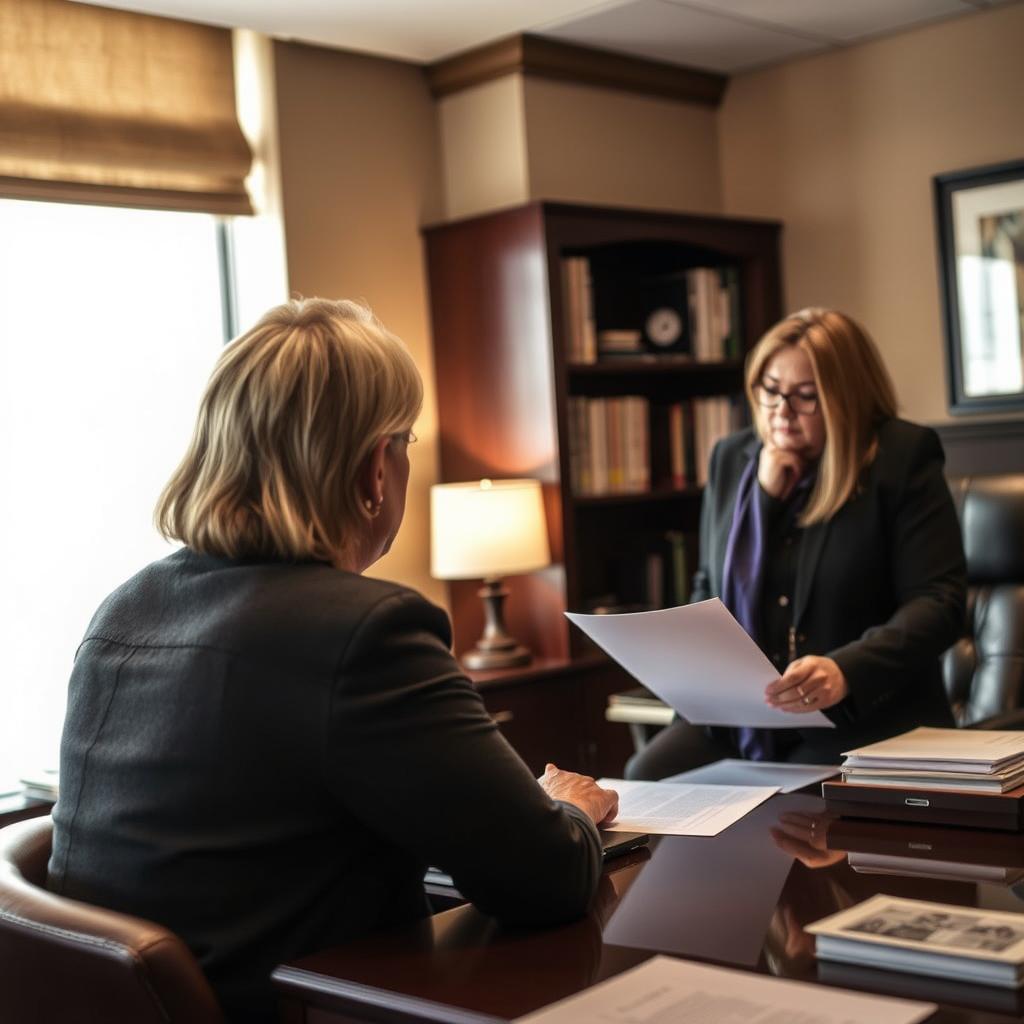
Rehabilitative Alimony Lawyer Arlington County, VA
Rehabilitative alimony is a time‑limited form of spousal support designed to help a financially dependent spouse gain the education, training, or work experience needed to become self‑sufficient after a marriage ends. In Arlington County, Virginia, these matters are heard at the Arlington County Circuit Court, where the court evaluates the specific facts of each case under the statutory factors listed in Virginia Code § 20‑107.1. Mr. Sris, Owner and Founder of Law Offices Of SRIS, P.C., and the firm’s Of Counsel attorneys represent clients across Arlington, Crystal City, Rosslyn, Clarendon, and surrounding communities in rehabilitative‑alimony proceedings—whether a party is seeking support, opposing an award, or requesting a modification. The court considers the length of the marriage, the standard of living established during the marriage, the parties’ earning capacities and educational backgrounds, and the time and resources reasonably necessary for the recipient to obtain suitable employment. Because rehabilitative alimony is forward‑looking and tied to a vocational or educational plan, the guidance of an experienced attorney can help frame the request or defense in a way the court is equipped to evaluate. To discuss your situation with Mr. Sris and the firm’s Of Counsel team, contact Law Offices Of SRIS, P.C. at (888) 437‑7747. Law Offices Of SRIS, P.C. – Advocacy Without Borders.
What Rehabilitative Alimony Means in Arlington County
In Virginia, spousal support—often called alimony—can take several forms. Rehabilitative alimony is specifically awarded for a defined period to allow the recipient spouse to acquire skills or credentials that lead to financial independence. The Arlington County Circuit Court, located at 1425 N. Courthouse Rd in Arlington, resolves all divorce and equitable‑distribution matters for the county, including temporary, rehabilitative, and indefinite spousal‑support requests. Virginia is an equitable‑distribution jurisdiction, so property division and spousal support are evaluated separately under Title 20 of the Virginia Code. A rehabilitative award is not automatic; the party requesting it must present evidence of a realistic rehabilitation plan—such as enrollment in a degree or certificate program, job‑training costs, or a defined timeline for re‑entry into the workforce. The paying spouse’s ability to meet the support obligation while also maintaining their own basic needs is a key factor. Because most family‑law proceedings in Arlington County begin in the Circuit Court after the mandatory separation period has been met, the judge who hears the rehabilitative‑alimony request is the same judge handling the divorce, making it important to frame the alimony request in the context of the overall marital‑dissolution case.
Arlington County’s population includes many federal employees, military families, and professionals whose careers may have been paused or adjusted during a marriage. A rehabilitative alimony plan often addresses the gap in earning potential that results from one spouse stepping away from the workforce. The firm’s attorneys understand the local court’s practices and the way the statutory factors under Va. Code § 20‑107.1 are applied in Arlington County. The court considers the parties’ ages, physical and mental condition, the duration of the marriage, the contributions of each spouse to the family, and the property interests each will receive as part of equitable distribution. Because Virginia permits fault‑based divorces (such as adultery or cruelty) alongside no‑fault separations, the circumstances surrounding the end of the marriage can also influence a rehabilitative‑alimony determination. Clients throughout Arlington, from Pentagon City to Shirlington, rely on Mr. Sris and the firm’s Of Counsel attorneys to present a clear, evidence‑supported picture of what rehabilitation will require and how long it will reasonably take.
How Mr. Sris and the Firm’s Of Counsel Attorneys Handle Rehabilitative Alimony Cases
Each rehabilitative‑alimony matter begins with a thorough review of the client’s financial records, the marriage’s history, and the receiving spouse’s vocational or educational outlook. The attorneys focus on gathering evidence—such as experienced attorney vocational assessments, cost estimates for training programs, and detailed income and expense statements—that directly addresses the statutory factors the court must consider. In Arlington County Circuit Court, the timeline for a contested alimony hearing depends on the court’s calendar, but the attorneys work to narrow the issues through negotiation and, when appropriate, mediation. If a settlement cannot be reached, the team prepares the case for a hearing, examining witnesses and introducing documentary evidence. Because the court weighs the reasonableness of a proposed rehabilitation plan, the firm’s approach emphasizes specificity: the client’s plan is tied to concrete steps, timelines, and costs, rather than general assertions of future need. For the paying spouse, the firm’s Of Counsel attorneys challenge unsupported or exaggerated requests, highlight the payor’s own financial obligations, and explore whether a lump‑sum property settlement could reduce or eliminate the need for periodic rehabilitative payments. Mr. Sris and the firm’s Of Counsel attorneys bring extensive combined legal experience to these proceedings, working toward a resolution that respects the client’s long‑term financial stability. Results may vary.
About Mr. Sris and the Firm’s Of Counsel Attorneys
Mr. Sris is the Owner and Founder of Law Offices Of SRIS, P.C., a multi‑state law firm that has represented clients in Virginia, Maryland, the District of Columbia, New Jersey, and New York since 1997. He is a former prosecutor whose background gives him insight into courtroom procedure and witness examination. Mr. Sris testified before the Virginia House Courts of Justice Committee in support of 2019 HB 635 (chief patron Del. David Bulova), a bill that addressed certain procedural aspects of equitable distribution under Virginia Code § 20‑107.3. Mr. Sris is admitted to practice in all five of the firm’s jurisdictions. The firm’s Of Counsel attorneys include lawyers with decades of combined litigation experience who have handled family‑law matters in Arlington County Circuit Court and in courts throughout Northern Virginia. The team works collaboratively on rehabilitative‑alimony cases, drawing on knowledge of the local bench, the statutory factors, and the practical realities of post‑divorce financial planning. No attorney is designated a attorney in family law. For a consultation about rehabilitative alimony, reach Mr. Sris and the firm’s Of Counsel attorneys at (888) 437‑7747.
Frequently Asked Questions
What is rehabilitative alimony in Virginia?
Rehabilitative alimony is a form of temporary spousal support designed to give a financially dependent spouse the education, training, or work experience needed to become self‑supporting after a separation or divorce. Unlike permanent alimony, it is awarded for a specific period tied to a realistic rehabilitation plan. The court determines the amount and duration based on the factors listed in Virginia Code § 20‑107.1, including the recipient’s need for training and the paying spouse’s ability to provide support. Because the award is forward‑looking, the party seeking rehabilitative alimony must present evidence of a concrete plan that a court can evaluate. A well‑prepared case helps the judge understand the timeframe and resources required.
How does the Arlington County Circuit Court decide rehabilitative alimony?
The Arlington County Circuit Court decides rehabilitative alimony by applying the thirteen statutory factors in Va. Code § 20‑107.1 to the specific facts of each case. The factors include the length of the marriage, the standard of living established during the marriage, each party’s earning capacity and educational background, and the contributions of each spouse to the family. The court also considers the time and expense necessary for the recipient to acquire sufficient education or training to find suitable employment, and the payor’s ability to meet the support obligation while still covering their own needs. Evidence of a detailed, achievable rehabilitation plan is often central to the court’s decision.
Can rehabilitative alimony be modified after it is ordered?
Yes, rehabilitative alimony may be modified if the party seeking the change can show a material change in circumstances that was not anticipated at the time of the original order. Common grounds for modification include a significant increase or decrease in either party’s income, the recipient’s successful completion of the rehabilitation plan earlier than expected, or the payor’s involuntary job loss. The party requesting the modification must file a motion with the Arlington County Circuit Court and present evidence supporting the claimed change. The court retains jurisdiction over spousal‑support matters and can adjust the amount, duration, or both if the statutory factors warrant a revision.
How is rehabilitative alimony different from permanent or indefinite alimony?
Rehabilitative alimony is awarded for a finite period tied to a vocational or educational goal, while permanent or indefinite alimony continues without a preset end date and is reserved for cases where the recipient cannot reasonably become self‑supporting. In Virginia, indefinite alimony is the exception, typically granted after a long marriage or when a disability prevents the recipient from working. Rehabilitative alimony, by contrast, assumes the recipient can achieve financial independence with targeted support. The label the court uses depends on the facts, not the preference of the parties, and the judge will look at the realistic prospects of rehabilitation before deciding which form of support is appropriate.
Do I need a lawyer for a rehabilitative alimony case in Arlington County?
You are not required to have a lawyer, but an experienced attorney can help you present the financial and vocational evidence the court needs to make a fair rehabilitative‑alimony determination. Arlington County Circuit Court expects parties to present organized financial exhibits, propose a specific rehabilitation plan, and address the statutory factors in a way the judge can readily apply. An attorney can also negotiate a settlement that avoids a contested hearing. For a party opposing an alimony request, an attorney can challenge unsupported claims and help protect the payor’s financial position. To discuss your situation, contact Law Offices Of SRIS, P.C. at (888) 437‑7747.
How long does it take to resolve a rehabilitative alimony dispute in Arlington County?
The timeline for a rehabilitative alimony case in Arlington County varies depending on whether the divorce is contested, the complexity of the financial issues, and the court’s scheduling. Uncontested cases may be resolved in a matter of months once the required separation period has run and the parties have negotiated a separation agreement that includes spousal support. Contested cases, where the parties cannot agree on the amount or duration of rehabilitative alimony, typically take longer because they require discovery, possible expert reports, and a hearing date on the court’s calendar. The firm’s attorneys work to move the case forward efficiently while building the strongest possible record for the client.
Related Family Law Resources
Fairfax County Family Law Lawyer •
Prince William County Family Law Lawyer •
Stafford County Family Law Lawyer •
Fauquier County Family Law Lawyer •
Loudoun County Family Law Lawyer
Official Virginia Sources
Virginia Code Title 20 (Domestic Relations) •
Arlington County Circuit Court •
Virginia Judicial System
Attorney advertising. Prior results do not guarantee a similar outcome.
Case results depend on a variety of factors unique to each case.