
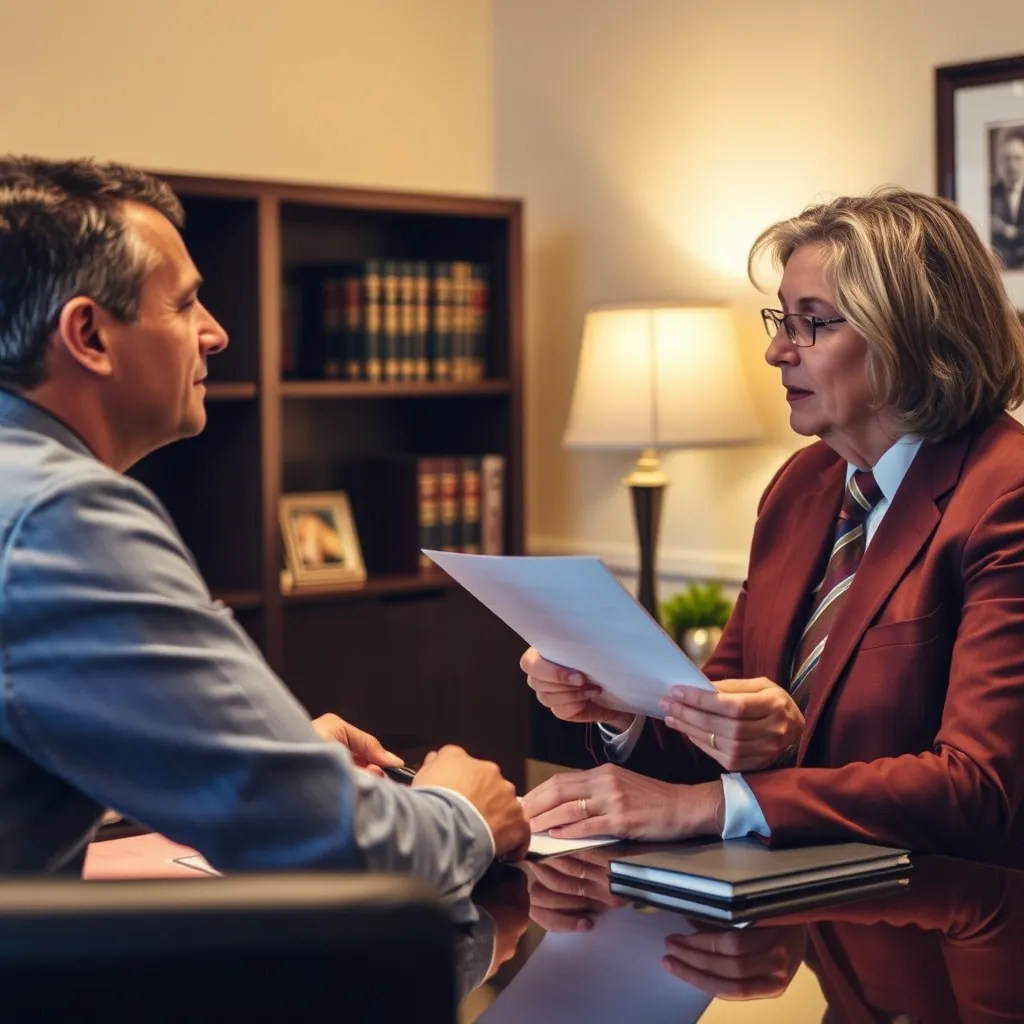
Note: This article is confirmed by Law Offices Of SRIS, P.C.
WRITTEN BY: Mr. Sris
Since 1997, Mr. Sris has led the firm, focusing on the most challenging criminal and family law cases. His background in accounting and information management aids in financial and technology-related cases. Involved in significant legislative changes in Virginia. Mr. Sris believes in actively participating in shaping law, dedicating effort toward amending Virginia Code § 20-107.3 and achieving state recognition for cultural milestones.
Private Adoption Lawyer Herndon VA
What is Private Adoption
Private adoption represents a legal process where birth parents and adoptive families arrange placement without using an adoption agency. This approach allows direct communication and agreement between parties. Virginia law establishes specific requirements for these arrangements to protect all involved individuals.
The process begins with initial discussions between birth parents and prospective adoptive parents. Legal counsel helps draft agreements outlining terms of placement. These documents address medical expenses, living costs, and other considerations. Virginia statutes regulate what expenses adoptive parents may cover.
Consent forms represent a vital component of private adoption. Birth parents must provide voluntary, informed consent after the child’s birth. Virginia law includes revocation periods during which birth parents may change their decision. Legal representation ensures proper timing and documentation of consent.
Home studies evaluate adoptive families’ suitability. Virginia requires assessments of living conditions, financial stability, and parenting capacity. Social workers conduct interviews and home visits. Our lawyers coordinate these evaluations with licensed professionals.
Court proceedings finalize the adoption. Petitions filed in circuit court request termination of birth parents’ rights and establishment of adoptive parents’ rights. Judges review documentation and may require hearings. Finalization grants legal parentage to adoptive parents.
Real-Talk Aside: Private adoption requires careful planning. Missing deadlines or improper documentation can delay or prevent adoption completion.
How to Complete Private Adoption
Completing private adoption follows a structured legal process in Virginia. Initial steps involve consultation with legal counsel to understand requirements. Lawyers help draft agreements between birth parents and adoptive families. These documents outline terms while complying with Virginia’s adoption statutes.
Home study preparation begins early in the process. Adoptive families complete applications with licensed agencies. Social workers conduct interviews, home visits, and background checks. Our lawyers coordinate these evaluations and address any concerns raised during assessment.
Consent documentation requires careful attention. Birth parents receive counseling about their rights and options. Virginia law specifies when consent may be given after childbirth. Legal representation ensures proper execution of consent forms and adherence to revocation periods.
Medical and expense arrangements need proper handling. Virginia regulates what costs adoptive parents may cover for birth mothers. These typically include medical expenses, counseling, and living costs during pregnancy. Documentation of these payments must comply with legal limits.
Court filings initiate the legal adoption process. Petitions request termination of birth parents’ rights and establishment of adoptive parent rights. Documents include home study reports, consent forms, and financial disclosures. Our lawyers prepare and submit all required paperwork.
Finalization hearings conclude the adoption. Judges review documentation and may question parties. Once satisfied with compliance, courts issue adoption decrees. These orders establish legal parent-child relationships and issue amended birth certificates.
Real-Talk Aside: Adoption timelines vary significantly. Unexpected delays can occur with home studies or court schedules.
Can I Arrange Private Adoption Without an Agency
Virginia law permits private adoption arrangements without agency involvement, known as independent adoption. This approach allows direct placement between birth parents and adoptive families. While agencies aren’t required, specific legal procedures must still be followed.
Legal representation becomes particularly important in independent adoptions. Lawyers help draft agreements between parties. These documents address placement terms, expenses, and post-adoption contact arrangements. Virginia statutes regulate what may be included in these agreements.
Home study requirements apply regardless of agency involvement. Adoptive families must complete assessments by licensed professionals. These evaluations examine living conditions, financial stability, and parenting capacity. Our lawyers help families select qualified home study providers.
Consent procedures follow Virginia’s statutory requirements. Birth parents must receive counseling about their rights. Consent forms must be properly executed after the child’s birth. Legal guidance ensures compliance with timing and documentation rules.
Court supervision remains necessary for independent adoptions. Petitions must be filed in circuit court requesting adoption approval. Judges review all documentation and may require hearings. Finalization grants legal recognition to the adoptive relationship.
Post-placement supervision may be required in some cases. Virginia law sometimes mandates follow-up visits by social workers. These assessments ensure the child’s wellbeing in the adoptive home. Our lawyers coordinate any required supervision.
Real-Talk Aside: Independent adoption requires diligent attention to legal details. Missing steps can create significant delays.
Why Hire Legal Help for Private Adoption
Legal assistance provides important support for private adoption in Virginia. Adoption involves involved legal procedures that benefit from professional guidance. Lawyers help families understand requirements and manage each step effectively.
Document preparation represents a significant aspect of adoption work. Legal professionals draft agreements between birth parents and adoptive families. These documents address placement terms, expenses, and other arrangements. Proper documentation helps prevent misunderstandings and disputes.
Compliance with Virginia statutes requires careful attention. Adoption laws establish specific requirements for consent, home studies, and court procedures. Legal counsel ensures families meet all statutory obligations. This helps prevent delays or complications in the adoption process.
Court representation assists with legal proceedings. Lawyers prepare and file adoption petitions with appropriate courts. They represent families in hearings and address judicial questions. Professional representation helps present cases effectively to judges.
Risk management benefits from legal guidance. Adoption involves emotional and financial investments. Lawyers help identify potential issues and develop strategies to address them. This includes managing revocation periods and addressing any challenges that arise.
Post-adoption matters may require legal attention. Issues like birth certificate amendments or international recognition sometimes need legal assistance. Our lawyers help families with these final steps after adoption finalization.
Real-Talk Aside: Adoption involves significant legal requirements. Professional help manages these details while families focus on welcoming their child.
FAQ:
1. What is private adoption in Virginia?
Private adoption involves direct placement between birth parents and adoptive families without agency involvement.
2. How long does private adoption take in Virginia?
Timelines vary but typically range from several months to over a year depending on circumstances.
3. What costs are involved in private adoption?
Costs include legal fees, home study expenses, medical costs, and court filing fees.
4. Can birth parents change their minds after consent?
Virginia law provides revocation periods during which birth parents may withdraw consent.
5. What is a home study requirement?
Home studies evaluate adoptive families’ suitability through interviews, visits, and background checks.
6. Who can adopt through private adoption in Virginia?
Virginia allows single adults and married couples to adopt, subject to home study approval.
7. What documents are needed for private adoption?
Required documents include consent forms, home study reports, petitions, and financial disclosures.
8. How are birth parents’ rights terminated?
Birth parents voluntarily consent to termination, or courts may terminate rights in certain circumstances.
9. What happens at adoption finalization?
Judges review documentation and issue adoption decrees establishing legal parent-child relationships.
10. Can adoptive parents cover birth mother expenses?
Virginia allows certain reasonable expenses for medical care, counseling, and living costs during pregnancy.
11. What if the birth father is unknown?
Legal procedures exist to address situations where birth fathers cannot be located or identified.
12. Are post-adoption agreements enforceable?
Virginia recognizes certain post-adoption contact agreements when properly documented and approved.
Past results do not predict future outcomes