
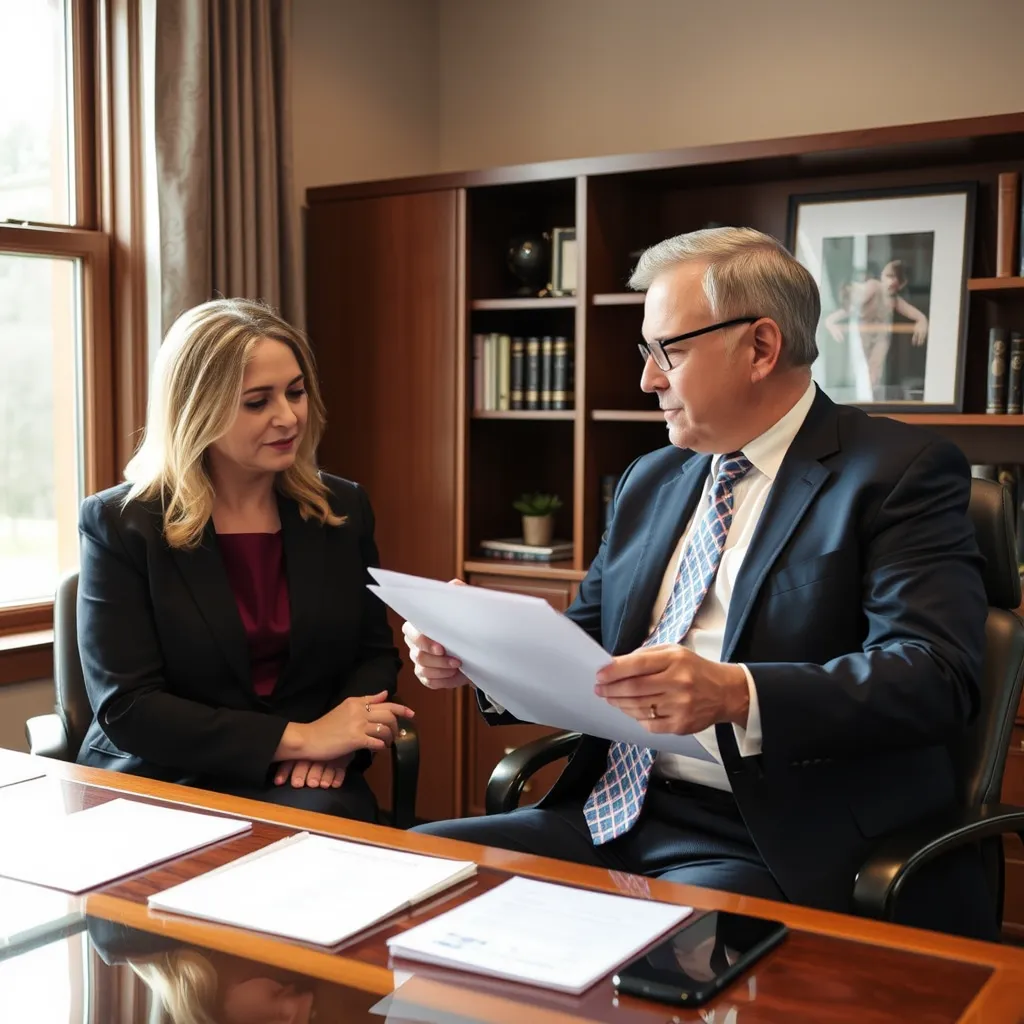
Private Adoption Lawyer Falls Church, VA
Private adoption in Falls Church, Virginia, is a deeply personal journey that reshapes families and creates permanent legal bonds. Whether you are a birth parent considering adoption for your child or a prospective adoptive parent hoping to welcome a child into your home, the process involves a significant legal framework. Law Offices Of SRIS, P.C. provides experienced guidance to clients in Falls Church and the surrounding Northern Virginia communities. Mr. Sris and the firm’s Of Counsel attorneys work with individuals and families to navigate the requirements of Virginia’s adoption statutes, including Va. Code § 63.2-1200 et seq., and the procedures of the Falls Church Circuit Court. Adoption cases in Falls Church are handled by the Circuit Court, which has exclusive jurisdiction over adoption petitions and must find that the adoption is in the child’s best interests before granting a final decree. Mr. Sris, Owner and Founder of Law Offices Of SRIS, P.C., and the firm’s Of Counsel attorneys help clients understand eligibility criteria, consent requirements, home study obligations, and the steps from petition to finalization. To request a consultation, reach the firm at (888) 437-7747. Law Offices Of SRIS, P.C. – Advocacy Without Borders.
What Private Adoption Means in Falls Church
Private adoption in Virginia refers to an adoption arranged directly between birth parents and adoptive parents, without the involvement of a public child-placement agency. It is sometimes known as an independent or direct-placement adoption. In Falls Church, private adoption matters proceed through the Circuit Court, which ensures compliance with all statutory safeguards under Va. Code § 63.2-1200 et seq. The court reviews the circumstances to confirm that all necessary consents have been properly executed, that any required home study has been completed, and that the adoption promotes the child’s welfare.
Falls Church’s small community and proximity to the broader Fairfax County legal infrastructure provide a distinctive local context. The Falls Church Circuit Court, located at 300 Park Avenue, Suite 151W, is the venue for adoption petitions. Mr. Sris and the firm’s Of Counsel attorneys regularly appear in the Circuit Court and are familiar with the expectations of the court and the procedural steps specific to Falls Church. While every adoption is unique, the firm’s experienced multi-state team works to help clients meet all Virginia requirements—from confirming the child’s eligibility for adoption to securing the necessary consents from birth parents or legal guardians, and from completing home studies to preparing the final decree of adoption. The goal is to guide the family through a process that is both legally sound and as straightforward as possible under the circumstances.
How Mr. Sris and the Firm’s Of Counsel Attorneys Handle Private Adoption Cases
The adoption process in Virginia involves a series of mandatory steps that require careful attention to detail. Mr. Sris and the firm’s Of Counsel attorneys begin by reviewing the specific facts of the situation: whether the adoption is a stepparent, relative, or non-relative private placement; whether the birth parents are willing and able to consent; and whether any legal barriers—such as the need for termination of parental rights—must be addressed. Virginia law requires that adoptions be in the child’s best interests, and the court will examine factors such as the stability of the adoptive home, the relationship between the child and the adoptive parents, and any history that may affect the child’s welfare.
Once the factual landscape is understood, the firm assists with preparation of the petition for adoption, consents, and other required documents. Virginia requires that certain consents be given under oath and that a home study be conducted by a licensed child-placing agency or a qualified professional. Mr. Sris and the firm’s Of Counsel attorneys help clients coordinate the home study and work to ensure that all filings comply with local court rules. When necessary, the firm advocates at hearings before the Falls Church Circuit Court, presenting evidence and argument in support of the adoption. Throughout the matter, the firm’s approach is to provide clear guidance and to protect the legal rights of all parties while helping the family move toward a positive resolution.
About Mr. Sris and the Firm’s Of Counsel Attorneys
Law Offices Of SRIS, P.C. Concentrates its practice on family law, among other areas, and has been serving clients in Virginia since 1997. Mr. Sris, Owner and Founder of the firm, is a former prosecutor with experience in litigation that informs his work on behalf of families. He is admitted in Virginia, Maryland, the District of Columbia, New Jersey, and New York, and his testimony before the Virginia House Courts of Justice Committee in support of 2019 HB 635 (chief patron Del. David Bulova) reflects a deep engagement with Virginia’s legal framework.
The firm’s Of Counsel attorneys bring experienced multi-state legal representation to Falls Church adoption matters. Each Of Counsel attorney contracts directly with Law Offices Of SRIS, P.C. and is experienced in family law proceedings in Virginia courts. The collective approach allows the firm to address the procedural nuances of private adoption while providing consistent communication with clients. Mr. Sris and the firm’s Of Counsel attorneys work to help families navigate the court process, prepare necessary documentation, and present the case effectively to the Falls Church Circuit Court.
Frequently Asked Questions
What are the legal steps for a private adoption in Falls Church, Virginia?
Private adoption in Virginia generally requires filing a petition in the Falls Church Circuit Court, obtaining valid consents, completing a home study, and attending a finalization hearing. The process begins with the adoptive parents filing a petition for adoption, which includes background information and supporting documents. Birth parents must provide consent under oath, and in some cases a guardian ad litem may be appointed to represent the child’s interests. A home study conducted by a licensed agency is mandatory before the court will consider the adoption. The court then schedules a hearing to determine whether adoption is in the child’s best interests. For guidance tailored to your situation, contact Law Offices Of SRIS, P.C. at (888) 437-7747.
Do I need a lawyer for a private adoption in Falls Church?
While Virginia law does not require you to hire an attorney for an adoption, legal counsel can help ensure the process is completed correctly and that your rights and the child’s interests are protected. Private adoptions involve detailed procedural requirements, and errors in consents or filings can lead to significant delays or even a dismissal. An experienced attorney can assist with the preparation of the petition, coordination of home studies, and representation at court hearings. For a consultation about your adoption matter, reach Law Offices Of SRIS, P.C. at (888) 437-7747.
What is the role of the home study in a Falls Church private adoption?
A home study is a thorough evaluation of the adoptive home conducted by a licensed agency to ensure the environment is safe and suitable for the child. In Virginia, the home study includes interviews with all household members, a review of financial and health information, background checks, and a home visit. The report is submitted to the Falls Church Circuit Court and is a key factor in the judge’s decision. The firm’s Of Counsel attorneys help clients understand the home study requirements and coordinate with approved agencies to move the process forward efficiently.
How does the Falls Church Circuit Court handle adoption cases?
The Falls Church Circuit Court reviews adoption petitions to ensure all statutory requirements are met before granting a final decree. The court examines consents, home study reports, and any relevant background information. A judge will typically conduct a hearing at which the adoptive parents and the child (if age-appropriate) may be present. The court must find that the adoption is in the child’s best interests. Mr. Sris and the firm’s Of Counsel attorneys are familiar with the local procedures and prepare clients for what to expect at the hearing.
Can a birth parent revoke consent to adoption in Virginia?
Virginia law provides limited circumstances under which a birth parent can revoke consent to an adoption, and the timeframe depends on how the consent was given. Generally, a consent executed under oath and acknowledged before a court is revocable only if the parent proves by clear and convincing evidence that the consent was obtained by fraud or duress. For a consent given outside of court, different rules may apply. Because the law is fact-specific, it is important to obtain legal advice promptly. For case-specific guidance, contact Law Offices Of SRIS, P.C. at (888) 437-7747.
How long does a private adoption take in Falls Church?
The timeline for a private adoption in Falls Church varies depending on many factors, including the availability of consents, completion of the home study, and the court’s calendar. Once all required documents are filed and the home study is complete, the court schedules a hearing. Some adoptions may proceed smoothly within a matter of months, while others may take longer if contested or if additional documentation is needed. Mr. Sris and the firm’s Of Counsel attorneys work to move the case forward as efficiently as possible while ensuring all legal requirements are met.
Related areas we serve near Falls Church: Fairfax County Family Law | Fairfax City Family Law | Prince William County Family Law | Manassas City Family Law | Manassas Park Family Law
Virginia legal resources: Virginia Code Title 63.2, Adoption | Falls Church Circuit Court
Attorney advertising. Prior results do not guarantee a similar outcome. Case results depend on a variety of factors unique to each case. Results may vary.