
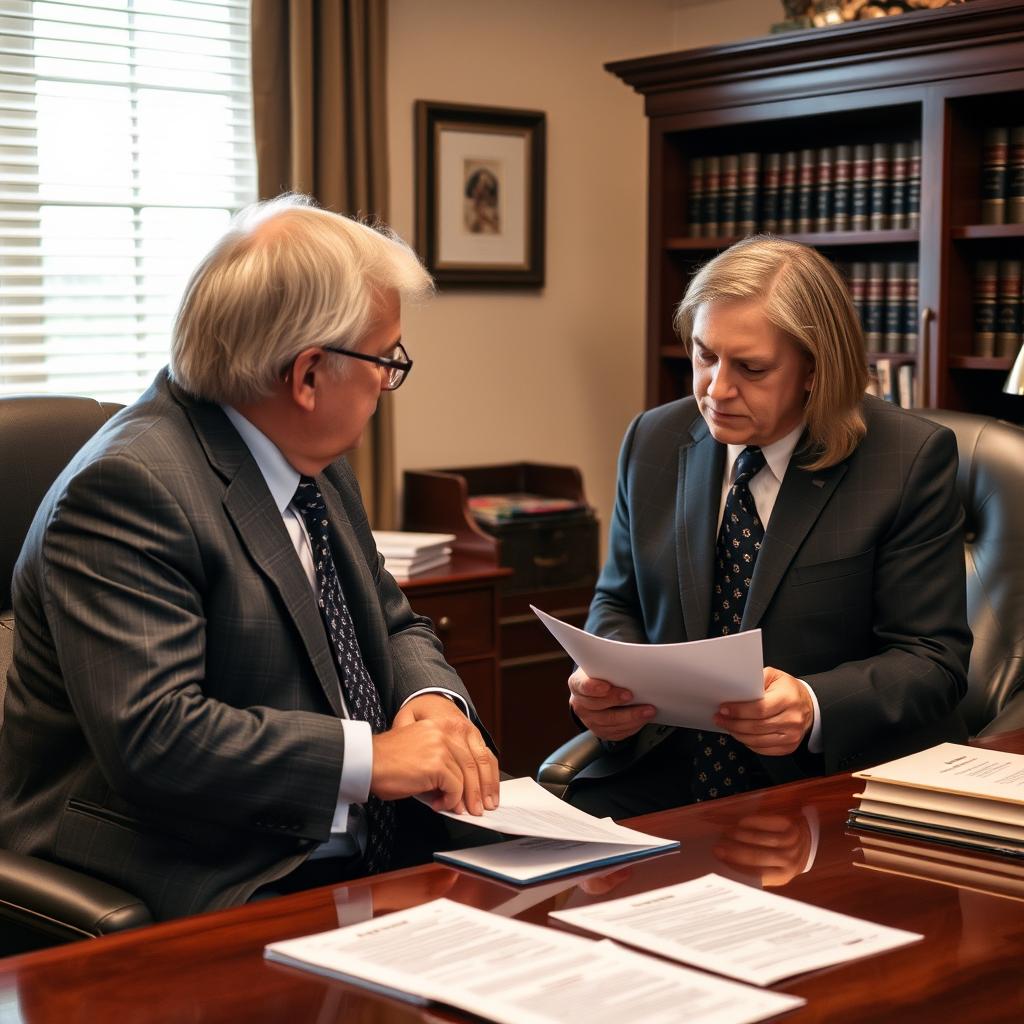
Licensing Lawyer Rappahannock County
A Licensing Lawyer Rappahannock County handles the legal creation and enforcement of contracts for using intellectual property or business assets. Law Offices Of SRIS, P.C.—Advocacy Without Borders. provides direct counsel on drafting, negotiation, and litigation for license agreements in Virginia. Our team addresses breaches and protects your rights under state law. (Confirmed by SRIS, P.C.)
Statutory Definition of Licensing Agreements in Virginia
Virginia law governs licensing agreements through contract and intellectual property statutes, not a single criminal code. The core legal framework for a license agreement in Rappahannock County is found in the Virginia Uniform Commercial Code and Virginia intellectual property laws. These laws define how rights to use trademarks, copyrights, patents, or software are legally transferred. A license is a contractual permission, not a sale of the underlying asset. Breach of a licensing contract can lead to civil lawsuits for damages or injunctions. Understanding these statutes is the first step for any Licensing Lawyer Rappahannock County.
Va. Code § 8.2A-103 – Lease Agreement – Damages for Breach. While primarily for equipment leases, this commercial code section informs the interpretation of licensing contracts regarding use, duration, and default. It establishes principles of good faith and commercial reasonableness that Virginia courts apply to various agreements. The remedies for breach can include monetary damages and termination of the agreement.
What constitutes a breach of a licensing agreement?
A breach occurs when one party fails to perform a material term of the contract. Common breaches include non-payment of royalties, use beyond the granted scope, or unauthorized sublicensing. The licensor may sue for the owed fees plus any damages caused by the unauthorized use. The licensee may have claims if the licensed property is defective or not as promised.
How are intellectual property licenses enforced in Virginia?
Enforcement is through civil litigation in Virginia circuit courts. The primary remedies are monetary damages and injunctive relief to stop the unauthorized activity. A court can order an accounting of profits gained from the breach. For willful copyright or trademark infringement, statutory damages and attorney’s fees may be available under federal law.
What is the difference between an exclusive and non-exclusive license?
An exclusive license grants rights to only one licensee, often within a defined territory or field of use. The licensor typically cannot grant rights to others or use the property themselves in that scope. A non-exclusive license allows the licensor to grant similar rights to multiple parties simultaneously. This fundamental distinction drastically affects the value and control of the licensed property.
The Insider Procedural Edge in Rappahannock County
Licensing disputes are heard in the Rappahannock County Circuit Court located at 120 Gay Street, Washington, VA 22747. This court handles all civil contract matters above its jurisdictional threshold. The procedural path for a licensing case here is governed by the Rules of the Supreme Court of Virginia. Filing a complaint starts the lawsuit, and the process moves through discovery, motions, and potentially a trial. Local procedural rules and the judge’s preferences significantly impact case strategy. A Licensing Lawyer Rappahannock County must know these local nuances. Learn more about Virginia legal services.
The filing fee for a civil action in Rappahannock County Circuit Court is set by state law and varies based on the type of relief sought. Timelines are strict; a defendant typically has 21 days to respond to a complaint after service. Discovery schedules are set by court order and require diligent adherence. Settlement conferences are often encouraged by the court before a trial date is set. Procedural specifics for Rappahannock County are reviewed during a Consultation by appointment at our Virginia Location.
The legal process in Rappahannock County follows specific procedural requirements that affect case timelines and outcomes. Courts in this jurisdiction apply local rules that may differ from neighboring areas. An attorney familiar with Rappahannock County court procedures can identify procedural advantages relevant to your situation.
What is the typical timeline for a licensing lawsuit?
A direct case can take 12 to 18 months from filing to resolution. Complex cases with extensive discovery can extend to two years or more. Much depends on the court’s docket and the willingness of parties to negotiate. Motions for summary judgment can shorten the timeline if there are no factual disputes.
What are the key local court rules to know?
All pleadings must comply with the formatting requirements of the Supreme Court of Virginia. Electronic filing is mandated in most Virginia circuit courts. Local rules may specify page limits for briefs and motion schedules. Familiarity with the assigned judge’s standing orders is critical for any Licensing Lawyer Rappahannock County.
Penalties & Defense Strategies in Licensing Disputes
The most common penalty in a licensing breach is a monetary judgment for damages and lost royalties. Courts calculate damages based on the loss to the licensor or the gain to the infringing party. The goal is to put the injured party in the position they would have been in had the contract been performed. also to damages, a court can issue an injunction. An injunction is a court order prohibiting further unauthorized use of the licensed property. Learn more about criminal defense representation.
Virginia law establishes specific statutory frameworks that govern these matters. Each case involves unique factual circumstances that require careful legal analysis. SRIS, P.C. attorneys evaluate every relevant factor when developing case strategy for clients in Rappahannock County.
| Offense / Breach Type | Potential Penalty / Remedy | Notes |
|---|---|---|
| Non-Payment of Royalties | Judgment for owed amount + interest | Interest accrues from the date each payment was due. |
| Use Beyond Licensed Scope | Damages for unjust enrichment + possible injunction | Damages may equal a reasonable license fee for the unauthorized use. |
| Unauthorized Sublicensing | Account of profits + termination of agreement | The licensor may recover all profits from the unauthorized sublicense. |
| Willful Trademark Infringement | Statutory damages up to $200,000 per mark + attorney’s fees | Under federal Lanham Act; requires proof of willfulness. |
[Insider Insight] Rappahannock County courts expect clear evidence of the agreement’s terms and the specific breach. Vague allegations about “unfair use” are less effective than documented proof of exceeded user counts or territory violations. Proving actual damages is often the central battle. A strong defense often challenges the validity of the underlying IP or the clarity of the contract terms.
What defenses are available against a breach claim?
Common defenses include that the licensor failed to provide the licensed material, that the IP is invalid, or that the contract terms are ambiguous. A licensee may argue the use was permitted under a different interpretation of the agreement. The statute of limitations for contract actions in Virginia is generally five years. Asserting a counterclaim for the licensor’s breach can be an effective strategy.
Can a license agreement be terminated early?
Yes, if the agreement includes a termination clause for breach, which most do. Termination must comply with any notice and cure periods specified in the contract. Without a breach, termination rights depend on the contract’s duration language. A “perpetual” license may be difficult to terminate absent a material breach.
Court procedures in Rappahannock County require proper documentation and adherence to filing deadlines. Missing a deadline or submitting incomplete filings can negatively impact case outcomes. Working with an attorney who handles cases in Rappahannock County courts regularly ensures that procedural requirements are met correctly and on time. Learn more about DUI defense services.
Why Hire SRIS, P.C. for Your Rappahannock County Licensing Matter
Our lead attorney for commercial matters has over fifteen years of experience drafting and litigating complex license agreements. This depth of experience is applied directly to protect clients in Rappahannock County and across Virginia. We know how to structure agreements to prevent disputes and how to fight when they arise. SRIS, P.C. has secured favorable outcomes for clients in licensing negotiations and courtroom battles.
Attorney Background: Our senior commercial litigators have handled licensing disputes involving software, trademarks, and franchise models. They understand the interplay between Virginia contract law and federal intellectual property statutes. This dual focus is essential for crafting enforceable agreements and mounting strong defenses.
The timeline for resolving legal matters in Rappahannock County depends on multiple factors including case type, court scheduling, and the positions of all parties involved. SRIS, P.C. keeps clients informed throughout the process and works to move cases forward as efficiently as possible.
The firm’s approach is direct and strategic, focusing on your business objectives. We analyze the agreement’s weak points and the opposing party’s likely arguments from the start. Our team prepares every case with the assumption it will go to trial, which strengthens our negotiation position. For a license agreement lawyer Rappahannock County, this trial-ready mindset is a key advantage. You need an advocate who understands both the law and the local court.
Localized FAQs for Rappahannock County Licensing
What does a license agreement lawyer in Rappahannock County do?
A license agreement lawyer Rappahannock County drafts, reviews, and negotiates contracts for using intellectual property. They also enforce or defend against breach of contract claims in the Rappahannock County Circuit Court. Their work protects your rights and financial interests in the licensed asset. Learn more about our experienced legal team.
How much does it cost to hire a licensing attorney?
Costs vary based on the matter’s complexity, whether it’s transactional or litigation, and the attorney’s experience. Simple agreement reviews have a lower cost than full-scale litigation. SRIS, P.C. provides a clear fee structure during your initial Consultation by appointment.
What should I look for in a licensing contract?
Look for clear definitions of the licensed property, scope of use, territory, duration, and payment terms. strong termination clauses and dispute resolution procedures are critical. An intellectual property licensing lawyer Rappahannock County can identify missing or problematic clauses.
Financial implications are often a significant concern in legal proceedings. Virginia courts consider relevant financial factors when making determinations. Proper preparation of financial documentation strengthens your position and supports favorable outcomes in Rappahannock County courts.
Can I handle a licensing dispute without a lawyer?
It is not advisable. Licensing law involves complex contract and IP principles. Mistakes in drafting a demand or responding to a lawsuit can waive important rights. The opposing party will likely have legal counsel.
What is the first step if someone breaches my license?
Gather all contract documents and evidence of the breach. Then, consult with a Licensing Lawyer Rappahannock County immediately. They will advise on sending a formal demand letter and preparing for potential litigation to protect your assets.
Proximity, Call to Action & Essential Disclaimer
Our Virginia Location serves clients throughout Rappahannock County. We are positioned to provide effective representation in the Rappahannock County Circuit Court. For matters requiring a license agreement lawyer Rappahannock County residents can rely on, our team is accessible.
Consultation by appointment. Call 703-278-0405. 24/7.
Law Offices Of SRIS, P.C.
Advocacy Without Borders.
Phone: 703-278-0405
Past results do not predict future outcomes.