
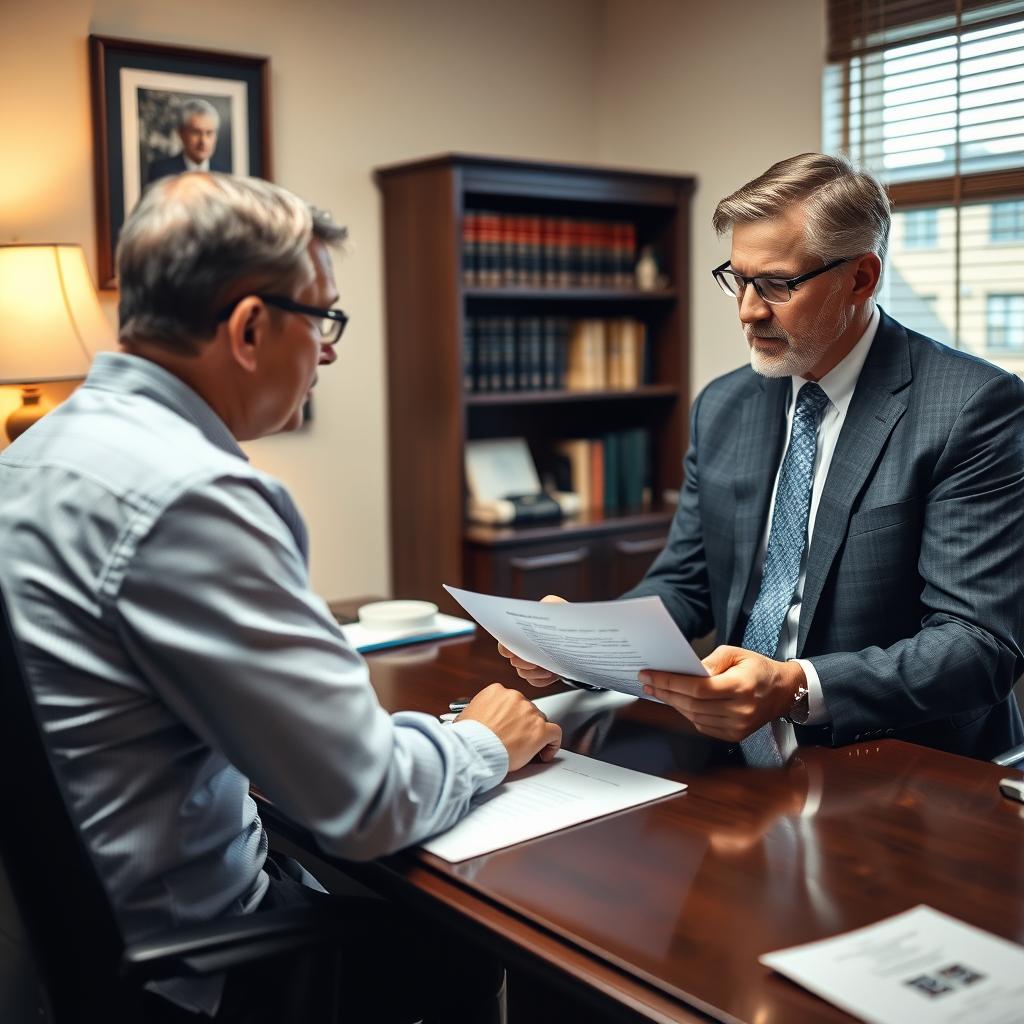
Licensing Lawyer Colonial Heights
A Licensing Lawyer Colonial Heights handles the legal creation and enforcement of contracts that grant rights to intellectual property or business assets. Law Offices Of SRIS, P.C. —Advocacy Without Borders. drafts, reviews, and negotiates agreements to protect your interests in Colonial Heights. We resolve disputes over breach, royalties, and scope to prevent costly litigation. (Confirmed by SRIS, P.C.)
Statutory Definition of Licensing Agreements in Virginia
Virginia contract law, primarily the Uniform Commercial Code (UCC) and common law, governs licensing agreements in Colonial Heights. While no single statute defines all licenses, key principles are codified. The enforceability of a licensing contract hinges on basic contract formation: offer, acceptance, consideration, and a lawful purpose. Virginia courts interpret these agreements based on the plain language of the contract terms. Disputes often center on the scope of rights granted, payment obligations, and termination clauses. A Licensing Lawyer Colonial Heights must handle these foundational rules to draft enforceable documents.
Va. Code § 8.2A-101 et seq. (Article 2A) — Governs Leases of Goods — Provides a framework for transactions involving the transfer of rights to use goods, which can inform certain license analyses, particularly for software or equipment embedded in a license. For pure intellectual property licenses, such as for trademarks or patents, Virginia common law and federal law are primary. The Virginia Uniform Trade Secrets Act (§ 59.1-336 et seq.) protects confidential information often licensed. Breach of a licensing agreement is typically treated as a breach of contract, with remedies aimed at placing the injured party in the position they would have been in had the contract been performed.
Licensing is not a one-size-fits-all legal area. Different assets are governed by different bodies of law. A trademark license in Colonial Heights must comply with both the contract terms and federal Lanham Act standards for quality control to avoid abandonment. A software license may be treated as a sale of goods under the UCC or as a pure license, affecting warranty and remedy implications. An experienced licensing attorney in Colonial Heights identifies which legal frameworks apply to your specific asset. This precise classification is the first critical step in protection.
What constitutes a valid licensing agreement in Colonial Heights?
A valid license requires a meeting of the minds on essential terms, documented in writing. The essential terms include a clear description of the licensed property, the scope of rights granted (exclusive vs. non-exclusive), the territory, the duration, and the compensation structure. Virginia law requires certain contracts, like those for the sale of goods over $500, to be in writing to be enforceable under the Statute of Frauds. While not all licenses hit this threshold, a written agreement is always the best practice. Oral agreements are difficult to prove and enforce in Colonial Heights courts.
How does Virginia law treat intellectual property licensing?
Virginia law enforces IP licenses as binding contracts but defers to federal law on the underlying IP rights. The contract controls the relationship between the licensor and licensee. However, you cannot license a right that does not exist; the licensor must own or validly control the IP. For patents and copyrights, federal law preempts state law on issues of validity and infringement. A Colonial Heights intellectual property licensing lawyer ensures the agreement respects both contractual principles and federal IP statutes. This dual-layer compliance prevents the agreement from being voided. Learn more about Virginia legal services.
What are the key clauses in a Colonial Heights licensing contract?
Key clauses define grant of rights, payment, termination, and dispute resolution. The grant clause specifies what is being licensed—be it use, manufacture, or distribution. Payment terms must detail royalties, upfront fees, and reporting schedules. Termination clauses outline conditions for ending the agreement, such as breach or bankruptcy. A dispute resolution clause specifying Colonial Heights, Virginia, as the venue and choosing Virginia law is critical for local control. Missing any of these can lead to ambiguous, unenforceable contracts that spark litigation.
The Insider Procedural Edge in Colonial Heights Courts
Colonial Heights General District Court handles smaller contract disputes, while the Colonial Heights Circuit Court presides over larger licensing claims. For licensing disputes under $25,000, the General District Court at 401 Temple Avenue, Colonial Heights, VA 23834, is the starting point. The Colonial Heights Circuit Court, located at 401 Temple Avenue, Colonial Heights, VA 23834, handles claims exceeding $25,000 and appeals from the lower court. Procedural specifics for Colonial Heights are reviewed during a Consultation by appointment at our Colonial Heights Location. Knowing which court has jurisdiction over your dispute’s value is the first procedural hurdle.
Filing a complaint for breach of a licensing agreement initiates the lawsuit. The plaintiff must file a Warrant in Debt (General District) or a Complaint (Circuit Court) and pay the required filing fee. The defendant then has a strict period to respond, typically 21 days in Circuit Court. Failure to respond can result in a default judgment. The courts then move through discovery, where each side gathers evidence, and potentially to a trial. The timeline from filing to resolution can span months to over a year, depending on the court’s docket and case complexity.
Local procedural rules in Colonial Heights courts demand strict adherence to deadlines and formatting. Judges expect filings to comply with the Virginia Supreme Court’s rules. Motions must be filed with proper notice to the opposing party. Familiarity with the preferences of the local bench can inform strategy, such as whether to push for a speedy trial or seek alternative dispute resolution. An attorney who regularly practices in these courtrooms understands the unspoken rhythms and expectations. This local knowledge is an advantage you cannot get from a generic online form. Learn more about criminal defense representation.
Penalties & Defense Strategies for Licensing Disputes
The most common penalty for breaching a licensing agreement is monetary damages calculated to compensate the non-breaching party. Damages aim to cover lost profits, unpaid royalties, or the cost of acquiring a substitute license. The court’s goal is not to punish but to make the injured party whole under the terms of the contract. In some cases, a court may order specific performance, compelling a party to fulfill its contractual duties. However, monetary compensation is the standard remedy sought and awarded in Colonial Heights courts for licensing breaches.
| Offense / Breach Type | Typical Penalty / Remedy | Notes |
|---|---|---|
| Failure to Pay Royalties | Judgment for unpaid amounts + interest + potentially attorney’s fees if contract allows. | Interest accrues from the date each payment was due under Virginia law. |
| Use Outside Licensed Scope (Infringement) | Damages for lost licensor profits + possible injunction to stop unauthorized use. | Injunctions are equitable relief; the court must find monetary damages inadequate. |
| Early Termination Without Cause | Liquidated damages if clause is valid, or actual damages from lost future payments. | Virginia courts scrutinize liquidated damages clauses for reasonableness. |
| Disclosure of Trade Secrets | Damages under Va. Uniform Trade Secrets Act (§ 59.1-338) + injunction + possible punitive damages. | Punitive damages require proof of willful and malicious misappropriation. |
[Insider Insight] Colonial Heights prosecutors in criminal matters are distinct, but local judges in civil contract cases show a clear preference for enforcing the plain language of written agreements. They are less inclined to rewrite a bad deal for a party who failed to negotiate favorable terms. The trend is to hold parties to their bargains. Defense strategies often focus on contract interpretation, arguing the alleged breach is not supported by the agreement’s terms. Demonstrating ambiguity in the contract’s language can be a powerful defense against a claim of breach.
What are the financial risks of a bad licensing deal?
A bad deal can lead to lost revenue, infringement liability, and costly litigation. If the grant of rights is too broad, you may lose control of your asset without adequate compensation. If it’s too narrow, you may be unable to fully commercialize your product. Poorly defined payment terms lead to disputes over royalties. Vague termination clauses can trap you in an unproductive relationship. The financial risk is not just the direct loss but the legal fees to untangle the mess. A Colonial Heights license agreement lawyer identifies these risks before you sign.
Can a licensing agreement affect my business operations?
Yes, a restrictive license can severely limit your ability to grow or pivot your business. An exclusive license granted to one party prevents you from licensing the same asset to others, potentially capping your income. Territorial restrictions may block expansion into new markets. Field-of-use restrictions can prevent you from adapting your technology for new applications. Before entering a license, you must analyze how its terms align with your long-term business strategy. A licensing lawyer in Colonial Heights performs this strategic review to protect your operational freedom. Learn more about DUI defense services.
How do I defend against a claim of breach?
Defenses include arguing the contract is ambiguous, performance was impossible, or the other party breached first. If the contract language is unclear about the obligated action, you may not have breached. The doctrine of impossibility may apply if an unforeseen event made performance literally impossible. If the licensor failed to provide promised support or marketing, they may have breached first, excusing your performance. A strong defense requires a careful review of the contract’s correspondence and conduct. An attorney builds this defense from the document’s own terms.
Why Hire SRIS, P.C. for Your Colonial Heights Licensing Matter
Our lead attorney for commercial matters brings direct experience drafting and litigating complex licensing agreements. The legal team at SRIS, P.C. approaches licensing as a strategic business tool, not just a legal document. We have handled agreements for software, trademarks, trade secrets, and franchise models. Our goal is to create enforceable contracts that advance your business objectives while minimizing future dispute risk. We know the common pitfalls that lead to litigation and draft clauses to avoid them. This proactive drafting is more valuable than reactive litigation.
Attorney Background: Our commercial law attorneys possess the specific skill set required for licensing work. This includes a deep understanding of contract law, intellectual property principles, and Virginia procedural rules. We analyze the asset being licensed to ensure the agreement fits its unique legal character. We negotiate terms that protect your core interests without killing the deal. In dispute resolution, we use our familiarity with Colonial Heights courts to advocate effectively for your position.
SRIS, P.C. provides Advocacy Without Borders. from our Colonial Heights Location. We offer a centralized point of contact and consistent legal strategy. You work directly with the attorney handling your case, not a paralegal or case manager. We explain the legal issues in clear, direct language so you can make informed decisions. Our focus is on achieving your business outcome, whether through careful drafting or aggressive enforcement. For a license agreement lawyer in Colonial Heights, this focused representation is critical. Learn more about our experienced legal team.
Localized FAQs on Licensing in Colonial Heights
Do I need a lawyer to draft a licensing agreement in Colonial Heights?
Yes, a lawyer ensures the contract is enforceable under Virginia law and protects your specific rights. DIY forms often lack critical local clauses and create ambiguity.
What is the difference between an exclusive and non-exclusive license?
An exclusive license grants rights to only one licensee. A non-exclusive license allows the licensor to grant the same rights to multiple parties, affecting value and control.
How long does a licensing lawsuit take in Colonial Heights?
A direct breach case can take 9-18 months from filing to trial in Colonial Heights Circuit Court. Complex cases with extensive discovery take longer.
Can I terminate a licensing agreement early?
Only if the contract allows it or the other party materially breaches. Virginia law requires you to follow the termination procedures outlined in the agreement itself.
What happens if someone uses my licensed property without permission?
This is infringement. You can sue for damages and an injunction in Colonial Heights court. The license agreement itself dictates the specific remedies available to you.
Proximity, CTA & Disclaimer
Our Colonial Heights Location is centrally positioned to serve clients throughout the city and surrounding Tri-Cities area. We are accessible for meetings to discuss your licensing needs, whether you are drafting a new agreement or facing a dispute. Consultation by appointment. Call 804-250-3727. 24/7.
Law Offices Of SRIS, P.C.—Advocacy Without Borders.
For licensing legal services in Colonial Heights, contact our team. We provide direct attorney access and strategic counsel focused on your business goals. Do not leave your valuable intellectual property or business assets to chance with a generic contract.
Past results do not predict future outcomes.