
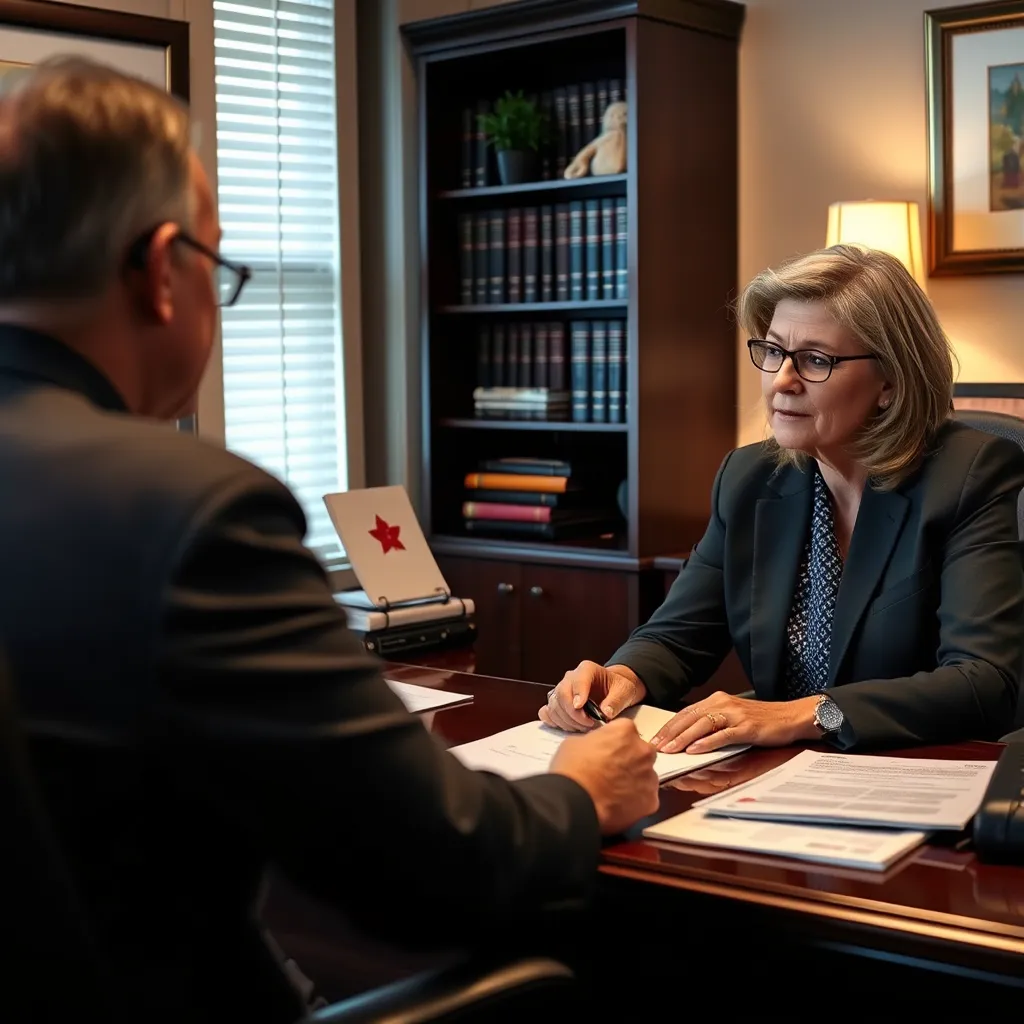
Kinship Guardianship Lawyer Fairfax, VA
Your son has been struggling with substance abuse, and one morning the school calls—your grandson has been absent for a week. You pick him up, feed him, and tuck him into bed, but when you take him to a new school, you are stopped. Without legal guardianship, you cannot enroll him, authorize medical care, or ensure his stability. In Fairfax, Virginia, a kinship guardianship can give a relative like you the legal authority to act in the child’s best interests while keeping the family connected. The Fairfax County Juvenile and Domestic Relations District Court has jurisdiction over these cases under Virginia law, including Va. Code § 64.2-2000 et seq. Mr. Sris, Owner and Founder of Law Offices Of SRIS, P.C., and his Of Counsel team have extensive experience representing grandparents, aunts, uncles, and other relatives in kinship guardianship matters. They appear regularly in the Fairfax County JDR Court and can guide you through the petition, hearing, and long‑term guardianship responsibilities. To request a consultation, call (888) 437‑7747. Law Offices Of SRIS, P.C. – Advocacy Without Borders.
What Kinship Guardianship Means in Fairfax, Virginia
Kinship guardianship is a legal arrangement in which a relative or other person with a significant relationship to a child is appointed as the child’s guardian when the parents are unable to care for the child. In Virginia, the juvenile and domestic relations district court may award permanent guardianship to a relative under the standards of Va. Code § 64.2‑2000 et seq. The court’s paramount consideration is the best interests of the child. A kinship guardianship provides stability and legal recognition while preserving the child’s bond with family members. The Fairfax County JDR Court handles these sensitive cases with attention to the child’s safety, emotional well‑being, and the relative’s ability to provide a safe home.
In Fairfax and surrounding communities, relatives often step in when parents face addiction, incarceration, mental health challenges, or other crises. The legal process requires the petitioner to demonstrate that the child’s welfare would be served by the guardianship and that the parent is unavailable or unwilling to fulfill their responsibilities. Court‑appointed guardians ad litem may be involved to represent the child’s interests. Having an attorney who concentrates in family law and understands the local court’s procedures can help a relative prepare a strong petition, gather supporting evidence, and present the case clearly. Mr. Sris and his Of Counsel team assist relatives throughout Fairfax County with each step of the process.
How Mr. Sris and His Of Counsel Handle Kinship Guardianship Cases
Mr. Sris and his Of Counsel team take a client‑focused approach to kinship guardianship cases. They begin with a consultation to understand the family circumstances and the child’s needs. They then evaluate whether the facts meet the statutory requirements and advise the relative on the documentation needed—such as evidence of the parent’s inability to care for the child, proof of the relative’s relationship, and home environment information. The team drafts the petition and any supporting affidavits with care, ensuring that the allegations are supported by facts and that the legal standard is clearly met. Throughout the process, they remain available to answer questions and provide guidance.
Hearing preparation is essential. The Fairfax County JDR Court will consider testimony from the relative, the parents, and any guardian ad litem. Mr. Sris and his Of Counsel prepare the relative to testify, explain what to expect in court, and develop a strategy for demonstrating the child’s best interests. They also handle any pretrial motions and, if necessary, advocate for temporary custody while the case proceeds. Because the court’s calendar and the complexity of the case can affect the timeline, having experienced counsel on your side helps ensure that the process moves forward as efficiently as possible. For a consultation about your situation, call (888) 437‑7747.
About Mr. Sris and the Firm’s Of Counsel Attorneys
Mr. Sris, Owner and Founder of Law Offices Of SRIS, P.C., has practiced family law since 1997. As a former prosecutor, he brings a thorough understanding of courtroom procedure and advocacy. He is admitted to practice in Virginia, Maryland, the District of Columbia, New Jersey, and New York. Mr. Sris testified before the Virginia House Courts of Justice Committee in support of 2019 HB 635 (chief patron Del. David Bulova). His focus on family law matters extends to kinship guardianship, and he appears regularly in the Fairfax County Juvenile and Domestic Relations District Court. The firm’s Of Counsel attorneys contribute additional depth across related practice areas. Mr. Sris and the firm’s Of Counsel attorneys bring extensive combined legal experience to family law, including kinship guardianship. Results may vary.
Frequently Asked Questions
What is kinship guardianship in Virginia?
Kinship guardianship is a court‑ordered arrangement that gives a relative legal authority to care for a child when the parents are unable or unwilling to do so. Under Va. Code § 64.2‑2000 et seq., the juvenile and domestic relations district court may appoint a relative as the child’s guardian. The arrangement grants the relative the right to make decisions about the child’s education, healthcare, and daily welfare, while the parents’ rights are not terminated. The court reviews the child’s best interests before granting the petition. Kinship guardianship can be a less disruptive alternative to foster care. To discuss whether kinship guardianship fits your situation, call (888) 437‑7747.
Who can petition for kinship guardianship in Fairfax?
A grandparent, aunt, uncle, adult sibling, or other relative with a significant relationship to the child may petition for guardianship. The petitioner must demonstrate that the child’s parent is unwilling or unable to provide adequate care. The court requires evidence of the relationship, the current living situation, and the child’s needs. In Fairfax County, petitions are filed in the Juvenile and Domestic Relations District Court. An attorney can assist with gathering the required documentation and presenting the case to the judge. For guidance on your specific situation, reach Law Offices Of SRIS, P.C. at (888) 437‑7747.
How do I file for kinship guardianship in Fairfax, Virginia?
You file a petition in the Fairfax County Juvenile and Domestic Relations District Court, along with supporting documents that establish the child’s circumstances and your relationship. The court clerk can provide the appropriate forms. You will need to include a factual basis showing that the parents cannot care for the child and that granting you guardianship serves the child’s best interests. The court may appoint a guardian ad litem and schedule a hearing. Mr. Sris and his Of Counsel are familiar with the Fairfax County JDR Court’s procedures and can prepare the petition and represent you at the hearing. To discuss the details of your matter, contact Law Offices Of SRIS, P.C. at (888) 437‑7747.
What happens at a kinship guardianship hearing?
The judge hears testimony from the petitioner, the parents, and possibly the guardian ad litem, then determines whether guardianship is in the child’s best interests. The relative must show that the parents are not providing appropriate care and that living with the relative is safe and stable. The court may ask questions about the child’s daily routine, health, and schooling. The process is less formal than a trial but still follows rules of evidence. Having an experienced family‑law attorney present helps ensure that your evidence is presented clearly. For a consultation, reach Mr. Sris and his Of Counsel at (888) 437‑7747.
Do I need a lawyer for a kinship guardianship case?
You are not required to have an attorney, but legal representation can help you present a stronger case and navigate court procedures. The legal standards for proving the parents’ unfitness and the child’s best interests can be complex. A lawyer can help you assemble evidence, draft the petition, and prepare you for testimony. In Fairfax County, the JDR Court’s calendar moves on its own schedule, and missing a filing requirement can delay the process. Mr. Sris and his Of Counsel handle kinship guardianship cases throughout Fairfax County and can guide you through the proceeding. To request a consultation, call (888) 437‑7747.
For additional family‑law resources, see our pages on Fairfax County family law representation, Falls Church family law matters, and family law representation in Prince William County.
Learn more about Virginia guardianship law at Virginia Code Title 64.2 and visit the Virginia Judicial System for court information.
Attorney advertising. Prior results do not guarantee a similar outcome. Results may vary.
© 1997‑2026 Law Offices Of SRIS, P.C.
Case results depend on a variety of factors unique to each case.