
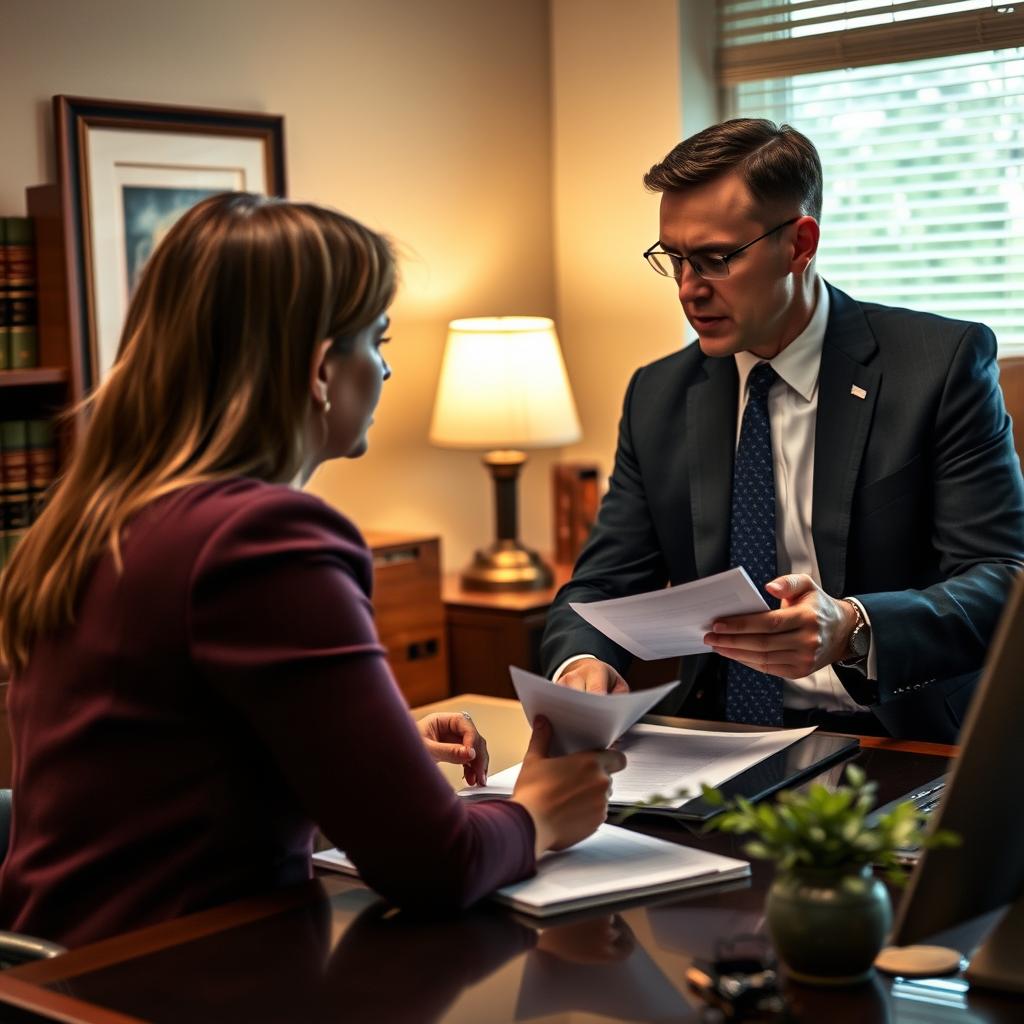
Indefinite Alimony Lawyer Prince William County, VA
You and your spouse have built a life together in Prince William County—perhaps in Manassas, Woodbridge, or Dale City—but now the marriage is ending, and the financial future feels uncertain. If a long-term marriage left you unable to become self-supporting, or if you are the spouse being asked to pay support without a clear end date, you are facing the reality of indefinite alimony. Under Virginia Code § 20‑107.1, a court may award spousal support for an unspecified duration when, after considering statutory factors, it determines that a defined term is inappropriate. Mr. Sris and the firm’s Of Counsel attorneys concentrate on family law matters in Prince William County and work to present the facts that matter most to the Circuit Court. Call (888) 437‑7747 to request a consultation. Law Offices Of SRIS, P.C. – Advocacy Without Borders.
What a Spouse Facing Indefinite Alimony Can Do
Whether you anticipate paying support or rely on it to maintain your standard of living, the approach depends on a realistic assessment of the marriage, the parties’ earning capacities, and the financial history. The firm’s attorneys help clients in Prince William County evaluate whether indefinite support is a likely outcome and, if so, what amount the court would consider fair.
For the potential payor, a key question is whether the requesting spouse truly cannot become self-supporting. Virginia courts weigh the recipient’s age, health, education, and work history. When the evidence shows that the spouse could, with reasonable effort and time, gain employment or complete training, the argument for rehabilitative support—rather than indefinite—becomes stronger. For the recipient, the objective is to establish the need for ongoing support because of a long absence from the workforce, a disability, or a marriage that lasted many years and left one party financially dependent.
Mr. Sris and the firm’s Of Counsel attorneys focus each case on the thirteen factors in § 20‑107.1. They gather tax returns, employment records, medical documentation, and financial affidavits. If necessary, they work with vocational evaluators and forensic accountants who can speak to earning capacity and the marital standard of living. The strategy is not to over‑promise; it is to give the court a clear, well‑supported picture of why a defined‑term award would or would not meet the statutory standard.
What to Expect When Indefinite Alimony Is at Issue in Prince William County
Most indefinite‑alimony disputes arise within a divorce filed in the Prince William County Circuit Court, located at 9311 Lee Avenue in Manassas. The court handles all equitable distribution and spousal‑support determinations. If temporary support is needed while the divorce is pending, a pendente lite motion can be heard earlier; however, the permanent award is decided at the final hearing or trial.
The process begins with the filing of a complaint for divorce. After service, both sides exchange financial information through discovery. In a case where indefinite support is sought, the discovery phase is often extensive because the recipient must prove need and the payor’s ability to pay, while the payor may challenge the claim by showing that the recipient can achieve self‑sufficiency. Depositions, interrogatories, and subpoenas for records are common tools. The court may also refer the parties to mediation, though mediation is not mandatory in Virginia.
At trial, the judge hears testimony and reviews exhibits. The thirteen factors under § 20‑107.1 guide the decision. No single factor is controlling, and the court has broad discretion. A well‑prepared case connects the financial evidence to those factors and presents them in a way that the judge can apply. After the trial, the court issues a final decree that includes the alimony award. Either party may appeal to the Court of Appeals of Virginia if they believe an error was made.
Factors the Court Considers—and What They Mean for Your Case
Virginia Code § 20‑107.1 lists thirteen factors that a judge must review when deciding whether to award indefinite support. The firm’s attorneys emphasize those that most directly affect the outcome in Prince William County.
- Duration of the marriage: A marriage that lasted two decades or more often weighs in favor of indefinite support, while a shorter marriage may support rehabilitative alimony.
- Age and health of the parties: A spouse in their late fifties or older, or one with a chronic condition that limits work, is more likely to receive indefinite support.
- Education and training: If the recipient lacks recent job skills, the court considers the time and expense needed to become employable. The payor’s argument often centers on whether the recipient is making a good‑faith effort to seek training.
- Contributions to the family and to the other spouse’s career: If one spouse stayed home to raise children while the other advanced professionally, the court will account for that sacrifice.
- Standard of living during the marriage: The aim is not to equalize incomes entirely, but to allow the recipient to live reasonably in light of the marital lifestyle.
No two cases are the same, and the weight given to each factor varies. The firm’s role is to frame the facts in a way that aligns with the statutory language, giving the judge a coherent basis to reach a decision that reflects the marital history.
About Mr. Sris and the Firm’s Of Counsel Attorneys
Mr. Sris, Owner and Founder of Law Offices Of SRIS, P.C., has practiced family law in Virginia since 1997. He is a former prosecutor who understands how to build a case around evidence and credible witness testimony. He testified before the Virginia House Courts of Justice Committee in support of 2019 HB 635 (chief patron Del. David Bulova), a bill that addressed procedural aspects of equitable distribution, and his familiarity with Virginia’s family‑law statutes runs deep.
Mr. Sris and the firm’s Of Counsel attorneys bring extensive combined legal experience to family law matters in Prince William County. Results may vary. The Of Counsel attorneys practice independently and contract directly with Law Offices Of SRIS, P.C. Together, they prepare each alimony case as though it will go to trial, while remaining open to settlement when a fair agreement can be reached.
Frequently Asked Questions
How does a Virginia lawyer defend against a claim for indefinite alimony?
A defense against indefinite alimony focuses on showing that the requesting spouse can become self‑supporting through reasonable employment or training efforts. Under Va. Code § 20‑107.1, the court weighs the recipient’s earning capacity, age, health, and contributions during the marriage. An experienced attorney presents documentary evidence, such as vocational assessments and employment records, to demonstrate that a defined‑term award would be sufficient. The defense may also highlight the payor’s own financial limitations.
What should I do if I am facing a request for indefinite alimony in Prince William County?
Contact a family law attorney promptly and begin gathering financial records, tax returns, and any evidence of the requesting spouse’s work history or education. Do not discuss the merits of the case with the opposing party. Preserve all relevant documents. Mr. Sris and the firm’s Of Counsel attorneys can review the claim, explain how the § 20‑107.1 factors apply, and develop a strategy. To discuss your situation, reach Law Offices Of SRIS, P.C. at (888) 437‑7747.
Can the court award indefinite alimony even if both spouses work?
Yes, the court may award indefinite support if the requesting spouse’s income is significantly lower and the marriage was long, even if both parties are employed. The key is whether the recipient can maintain a standard of living comparable to that during the marriage. The court examines the disparity in earning power, the time the recipient needs to obtain additional skills, and the contributions each spouse made to the family. A working spouse who earns substantially less may still qualify for ongoing support.
Does fault affect indefinite alimony in Virginia?
Fault can influence the amount and duration of alimony, but it is not a prerequisite for an indefinite award. Under § 20‑107.1, the court may consider the circumstances and factors that contributed to the dissolution of the marriage, including adultery, cruelty, or desertion. If a spouse’s misconduct caused the breakdown, the court may adjust the support award accordingly. However, even in a no‑fault divorce, indefinite support may be ordered if the financial factors weigh in favor of it.
Can an indefinite alimony order be modified later?
Yes, a party may petition the court to modify or terminate indefinite support if there has been a material change in circumstances. Common grounds include the recipient’s remarriage, a significant increase in the recipient’s income, or the payor’s involuntary loss of employment. The petition is filed in the original court that issued the order. The firm’s attorneys also handle alimony modification and enforcement matters in Prince William County. For guidance, call (888) 437‑7747.
Legal Resources for Prince William County Residents
For the controlling Virginia statutes on spousal support, visit the Virginia Code: Virginia Code Title 20 – Family Law. The Prince William County Circuit Court’s procedures and local rules are available through the Virginia court system: Virginia’s Judicial System.
Related Family Law Services in Nearby Counties
If your matter extends beyond Prince William County, the firm also assists clients in neighboring jurisdictions:
Family Law Lawyer Fairfax County, VA
Family Law Lawyer Stafford County, VA
Family Law Lawyer Fauquier County, VA
Family Law Lawyer Loudoun County, VA
Family Law Lawyer Arlington County, VA
Reach Law Offices Of SRIS, P.C. at (888) 437‑7747 to request a consultation about indefinite alimony in Prince William County.
Attorney advertising. Prior results do not guarantee a similar outcome. Results may vary.
Case results depend on a variety of factors unique to each case.