
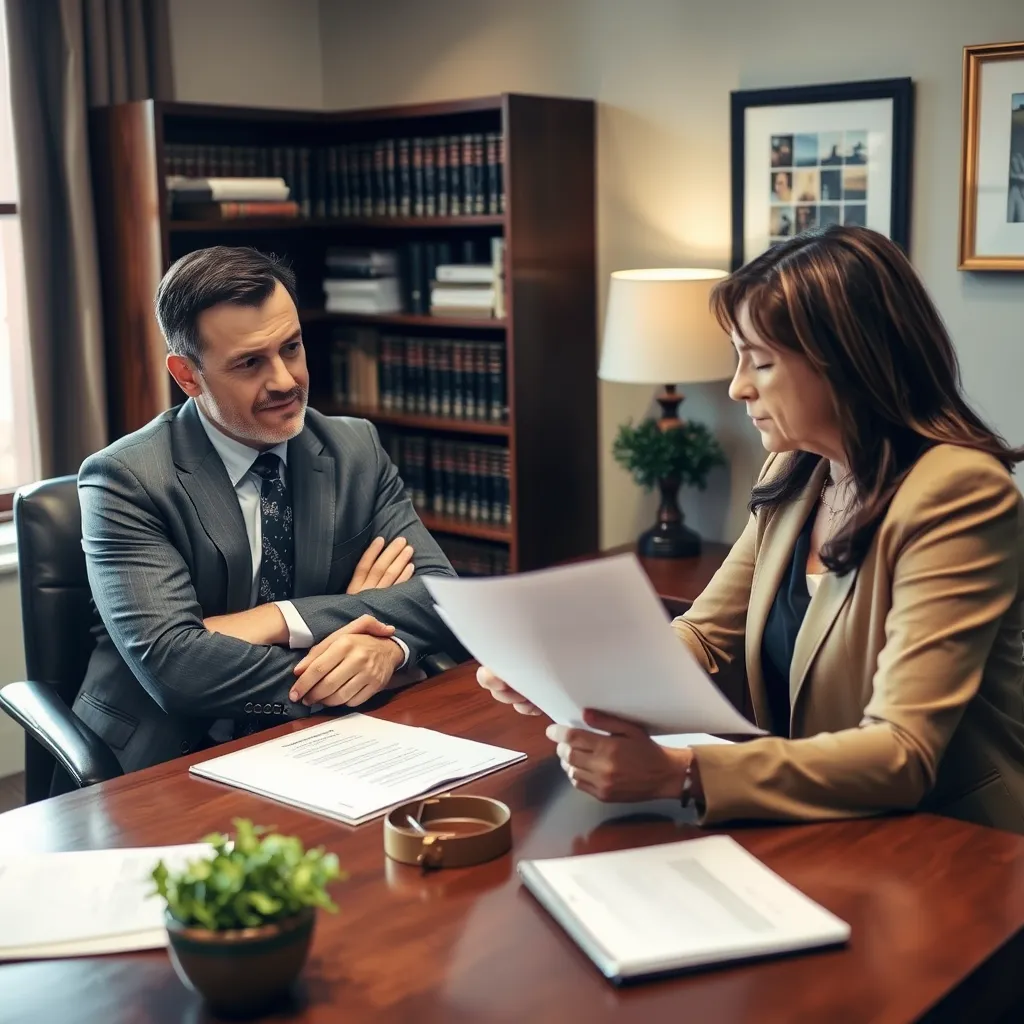
Guardianship Lawyer Falls Church, VA
When a family member can no longer make sound decisions for themselves or a minor child needs a legal protector, a guardianship proceeding may be the answer. In Falls Church, Virginia, guardianship cases proceed through the Circuit Court at 300 Park Avenue, Suite 151W. Law Offices Of SRIS, P.C. represents individuals seeking guardianship or conservatorship appointments in this independent city and throughout the 17th Judicial District. Mr. Sris, Owner and Founder, and the firm’s Of Counsel attorneys bring experience in Virginia family law to each matter. Whether you need a guardian of the person, a conservator of the estate, or temporary emergency guardianship for a child, our Fairfax location serves Falls Church clients with a practice grounded in Va. Code § 64.2‑2000 et seq. The firm’s approach centers on clear communication, thorough preparation, and a working knowledge of the Falls Church Circuit Court’s procedures. To discuss your situation, call (888) 437‑7747.
What Guardianship Means in Falls Church, Virginia
In Virginia, guardianship and conservatorship are legal relationships created by a court to protect individuals who cannot manage their personal or financial affairs. The Falls Church Circuit Court has jurisdiction over these proceedings under Va. Code § 64.2‑2000 et seq. A guardian is appointed to oversee personal and healthcare decisions, while a conservator manages financial matters. The same person may serve in both roles, and the petition may request a combined appointment. Because Falls Church is an independent city of modest size, the Circuit Court’s docket is often manageable, but the statutory requirements are no less rigorous than in any larger jurisdiction. Petitioners must present clear and convincing evidence of the respondent’s incapacity or the minor child’s need for a guardian, typically through medical records, evaluations from treating physicians, and testimony from family members.
The court building sits at 300 Park Avenue, near Falls Church City Hall and within easy reach of Route 7 and I‑66. Law Offices Of SRIS, P.C. serves Falls Church from its Fairfax location, which offers free on‑site parking and is accessible from the West Falls Church Metro station. Our familiarity with the Falls Church Circuit Court’s local practices—including its preferences for proposed orders, guardian ad litem appointments, and scheduling—helps keep the process moving. Guardianship matters often involve sensitive family dynamics, and the firm’s attorneys work to present a case that respects both the legal standards and the personal concerns of everyone involved.
How Mr. Sris and His Of Counsel Handle Guardianship Cases
Mr. Sris and the firm’s Of Counsel attorneys begin each guardianship matter by evaluating the specific facts: the respondent’s condition, the family’s goals, and any existing estate‑planning documents such as a power of attorney. They explain the statutory framework found in Va. Code § 64.2‑2000 et seq., including the distinction between a guardian of the person and a conservator of the estate, and the evidentiary showing required for each. If an emergency exists—for example, immediate risk to a vulnerable adult or child—the firm can prepare and file a petition for temporary or emergency guardianship under the appropriate statutes.
The process generally involves filing a petition with the Falls Church Circuit Court, notice to interested parties, a hearing, and—if granted—the issuance of letters of guardianship or conservatorship. Mr. Sris and his Of Counsel manage each stage: drafting the petition and proposed orders, coordinating with medical professionals who provide capacity evaluations, and presenting evidence at the hearing. The court will schedule the hearing on its calendar and may appoint a guardian ad litem to represent the respondent’s interests. Throughout, the firm keeps the petitioner informed of what to expect and the legal standards the court will apply. Because every case turns on its own evidence, the timeline varies by the complexity of the medical or family circumstances and the court’s schedule.
About Mr. Sris and His Of Counsel Team
Mr. Sris founded the firm in 1997 after service as a former prosecutor. He is admitted to practice in Virginia, Maryland, the District of Columbia, New Jersey, and New York, and has testified before the Virginia House Courts of Justice Committee in support of 2019 HB 635 (chief patron Del. David Bulova). Mr. Sris and the firm’s Of Counsel attorneys bring extensive combined legal experience to guardianship, family law, and related matters throughout Northern Virginia. Results may vary.
The firm’s Of Counsel attorneys—each with a strong background in Virginia court practice—work alongside Mr. Sris on guardianship petitions. The team approach means multiple experienced attorneys can review the petition, anticipate objections, and prepare for the hearing. While no attorney can promise a particular outcome, clients benefit from the firm’s multi‑state perspective and its long‑standing presence in the Falls Church legal community.
Frequently Asked Questions
What is the difference between guardianship and conservatorship in Virginia?
In Virginia, a guardian makes personal and healthcare decisions, while a conservator manages the individual’s property and financial affairs. Under Va. Code § 64.2‑2000 et seq., the court may appoint one person to serve in both capacities or divide the roles. The petition must specify which type of appointment is requested, and the evidence required differs slightly between the two. A guardian ad litem may be appointed to represent the respondent’s interests in either proceeding.
Who can file for guardianship in Falls Church?
Any interested person—a family member, friend, or agency—may file a petition for guardianship or conservatorship in the Falls Church Circuit Court if they have a legitimate interest in the respondent’s welfare. The petitioner must demonstrate that the respondent is unable to manage their own affairs due to mental, physical, or developmental limitations, or that a minor child needs a legal guardian. The firm can help evaluate whether the statutory grounds for guardianship are met before a petition is filed.
What evidence does the court consider in a guardianship case?
The Falls Church Circuit Court examines medical records, physician evaluations, testimony from family members, and the guardian ad litem’s report to determine if the respondent is incapacitated or needs a guardian. The legal standard is clear and convincing evidence. For a minor guardianship, the court considers what arrangement serves the child’s best interests. Mr. Sris and his Of Counsel work with independent medical professionals to present the necessary documentation.
How does the court decide a guardianship case?
After hearing the evidence, the Falls Church Circuit Court determines whether the statutory requirements for guardianship or conservatorship are met and, if so, issues an order appointing the guardian or conservator. The order defines the scope of the guardian’s authority, any limitations, and any reporting requirements. The process is civil, not criminal, and the respondent has the right to legal representation and to contest the petition.
Do I need a lawyer to file for guardianship in Falls Church?
Virginia law does not require an attorney to file a guardianship petition, but the procedural and evidentiary demands of a contested case make legal representation advisable. A lawyer can draft the petition correctly, ensure proper notice, coordinate medical evidence, and present the case at the hearing. Law Offices Of SRIS, P.C. handles all aspects of the proceeding so families can focus on the well‑being of their loved one.
What is the role of a guardian ad litem?
A guardian ad litem is an attorney appointed by the Falls Church Circuit Court to represent the interests of the alleged incapacitated person or minor child during the guardianship proceeding. The guardian ad litem investigates the facts, meets with the respondent, and makes a recommendation to the court about what arrangement would best protect the individual’s rights. The firm is accustomed to working with guardian ad litems to present a complete picture for the court.
How long does a guardianship case take in Falls Church?
The timeline for a guardianship case depends on the court’s schedule, whether the petition is contested, and the complexity of the respondent’s circumstances. An uncontested, well‑documented petition may be resolved more quickly than a case involving disputed incapacity or conflicting family members. The firm will help you understand the likely procedural steps and work to move the matter forward efficiently.
Can a guardianship be modified or ended?
Yes, a guardianship or conservatorship can be modified, terminated, or replaced if circumstances change. The guardian or other interested person may file a petition with the Falls Church Circuit Court requesting a change. The court will review whether the original need for guardianship still exists or if a different appointment would better serve the individual, applying the same statutory standards as in the initial proceeding.
What is the difference between a power of attorney and guardianship?
A power of attorney is a voluntary document signed by an individual while they still have capacity; guardianship is a court‑imposed arrangement for someone who can no longer make decisions and has no valid power of attorney. If a durable power of attorney exists, it may eliminate the need for guardianship. If it is insufficient or contested, guardianship may be necessary. The firm can help assess whether a family can rely on existing documents or must pursue court intervention.
Where can I find a guardianship lawyer near Falls Church, Virginia?
Law Offices Of SRIS, P.C. serves Falls Church clients from its Fairfax location and handles guardianship matters in the Falls Church Circuit Court. Call (888) 437‑7747 to schedule a consultation. The firm’s attorneys are admitted in Virginia and experienced in the local court procedures.
For guidance on your specific situation, reach Law Offices Of SRIS, P.C. at (888) 437‑7747.
Related Family Law Resources
Family Law Lawyer Fairfax County · Family Law Lawyer Fairfax City · Family Law Lawyer Prince William County
Virginia Legal Resources
Virginia Code Title 64.2 – Wills, Trusts, and Fiduciaries · Virginia Judicial System
Attorney advertising. Prior results do not guarantee a similar outcome.
Results may vary.
Case results depend on a variety of factors unique to each case.