
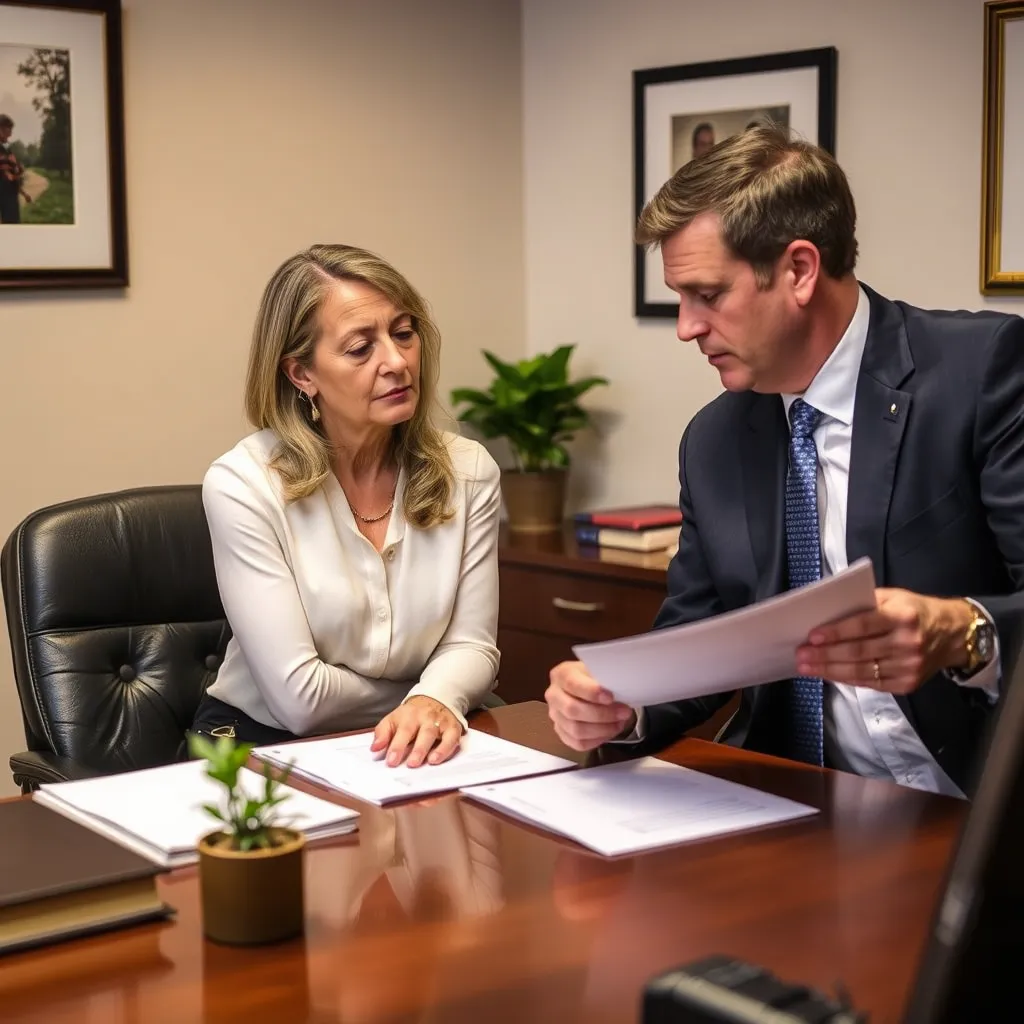
Fault Based Divorce Lawyer Fairfax, VA
When marital misconduct breaks a marriage, a fault-based divorce can change the trajectory of property division, spousal support, and even child custody. In Fairfax, Virginia, the grounds for divorce reach beyond no‑fault separation, allowing a spouse to seek an immediate divorce when certain serious acts are proven. Mr. Sris and his Of Counsel team at Law Offices Of SRIS, P.C. represent clients in fault‑based divorce proceedings before the Fairfax County Circuit Court and related family courts throughout Northern Virginia. The firm brings extensive combined legal experience to adultery, cruelty, desertion, and felony‑conviction divorce matters, working to build a record that supports your position from the initial Complaint through trial if necessary. To discuss your situation, reach Law Offices Of SRIS, P.C. at (888) 437‑7747. Law Offices Of SRIS, P.C. – Advocacy Without Borders.
What Fault‑Based Divorce Means in Fairfax, Virginia
Virginia Code § 20‑91 permits a spouse to file for divorce on fault grounds without the separation period that no‑fault divorces require. The four fault grounds are adultery, cruelty (including reasonable apprehension of bodily hurt), willful desertion or abandonment for one year, and conviction of a felony resulting in confinement of more than one year. When a fault ground is proven, the plaintiff may obtain a divorce without waiting the six‑month or one‑year separation that otherwise applies. In Fairfax, divorce complaints are filed in the Fairfax County Circuit Court, which has exclusive jurisdiction over the dissolution of marriage under Va. Code § 20‑96. The court also determines equitable distribution of marital property under § 20‑107.3, and fault can be one of the factors the judge weighs when deciding whether a deviation from an equal division is equitable.
Family law matters in Fairfax County frequently involve two court levels: the Circuit Court handles the divorce, property division, and spousal support, while the Fairfax County Juvenile and Domestic Relations District Court addresses custody, visitation, and child support when those issues are not part of a pending divorce. A fault‑based divorce that is contested will proceed through discovery, motions, and possibly a trial. Virginia law requires at least one corroborating witness even for an uncontested divorce hearing, so building credible evidence is essential. Mr. Sris and his Of Counsel work with clients to develop the factual record, whether the case involves proving adultery, establishing cruelty, or documenting desertion. The goal is to present the court with a clear basis for the fault ground while also protecting the client’s interests in property and support.
How Mr. Sris and His Of Counsel Handle Fault‑Based Divorce Cases
Fault‑based divorce cases require a strategic approach from the outset because the grounds must be pleaded in the Complaint and proven with sufficient evidence at trial. Mr. Sris and his Of Counsel evaluate the facts of the marriage to determine whether a fault ground is viable and how it may interact with other issues such as equitable distribution, spousal support, and custody. They advise clients on the evidentiary standard that courts apply and the practical consequences of pursuing a fault ground—including the potential for an immediate divorce without a separation period in adultery cases, and the possibility that fault may influence the court’s property division under the eleven statutory factors listed in Va. Code § 20‑107.3.
The process begins with the preparation and filing of the Complaint in the Fairfax County Circuit Court. If the defendant contests the allegations, the case moves into discovery, where both sides exchange financial records, depositions, and other evidence. In fault cases, investigative work may be necessary to substantiate claims of adultery or cruelty. Mr. Sris and his Of Counsel work with forensic accountants, private investigators, and other professionals when the circumstances require it, always ensuring that the evidence meets Virginia’s evidentiary rules. Throughout the litigation, the team negotiates possible settlement agreements that can resolve all issues without trial, but if trial is necessary, Mr. Sris—a former prosecutor with extensive trial experience—and his Of Counsel prepare thoroughly to present the case before the court. While every case is unique and outcomes are not guaranteed, the firm’s focus is on protecting the client’s rights and achieving a resolution that reflects the facts and the applicable law.
About Mr. Sris and His Of Counsel Team
Mr. Sris, Owner and Founder of Law Offices Of SRIS, P.C., has practiced law since 1997. A former prosecutor, Mr. Sris brings a disciplined, evidence‑based perspective to family law litigation. He is admitted to practice in Virginia, Maryland, the District of Columbia, New Jersey, and New York, and his multi‑state experience gives him a broad understanding of how divorce laws vary across jurisdictions. Mr. Sris testified before the Virginia House Courts of Justice Committee in support of 2019 HB 635 (chief patron Del. David Bulova). His firm’s Of Counsel team includes attorneys with substantial family‑law experience, and together they serve clients throughout Northern Virginia, including Fairfax, Burke, Centreville, Chantilly, Herndon, Reston, McLean, Vienna, and the surrounding communities. The firm operates from its Fairfax location by appointment; phone consultations are available at (888) 437‑7747.
Mr. Sris and his Of Counsel bring extensive combined legal experience to divorce and family‑law matters. Since 1997, the firm has documented case results across all practice areas. Results may vary. in any particular matter. The team focuses on understanding each client’s priorities—whether that is an immediate divorce on fault grounds, preserving separate property, or seeking a fair spousal‑support award—and then building a case strategy that aligns with those goals.
Frequently Asked Questions
What are the fault grounds for divorce in Virginia?
Virginia recognizes four fault grounds for divorce: adultery, cruelty, desertion for one year, and conviction of a felony with imprisonment of more than one year. These are defined in Va. Code § 20‑91. Adultery is the only ground that permits an immediate divorce without any separation period. Cruelty includes physical harm or reasonable apprehension of bodily hurt sufficient to make cohabitation unsafe. Desertion requires willful abandonment for a continuous twelve‑month period. The felony‑conviction ground applies when a spouse has been sentenced to confinement for more than one year and is actually incarcerated. Each ground must be proven with clear and convincing evidence, and courts may consider the fault when dividing marital property or awarding spousal support.
Do I need to prove fault to get divorced in Fairfax?
No, you do not have to prove fault to get divorced in Fairfax, but proving fault can eliminate the separation waiting period and may affect property division and spousal support. Virginia also allows no‑fault divorce after six months of separation with a signed agreement and no minor children, or one year of separation otherwise. However, if you wish to avoid waiting and the circumstances support a fault ground, you can file for a fault‑based divorce. The decision to pursue fault should be made after evaluating the strength of the evidence, the potential impact on the division of marital assets, and the cost and emotional toll of litigation. Mr. Sris and his Of Counsel can explain how fault may influence the outcome in your specific situation.
How does adultery affect a divorce in Virginia?
Adultery can serve as grounds for an immediate divorce without a separation period and may influence the court’s equitable distribution of property and any award of spousal support. Under Va. Code § 20‑107.3, the circumstances that contributed to the dissolution of the marriage are one of the factors the court considers when dividing marital property. If adultery is proven, the court may award a greater share of the marital estate to the innocent spouse. Additionally, under § 20‑107.1, fault can be considered in determining spousal support. Adultery must be established with corroborated evidence, and the defendant may raise defenses. Speaking with a divorce attorney early can help you understand what proof is required and whether pursuing this ground is advisable.
What if my spouse denies the fault allegations?
If your spouse denies the fault allegations, the case becomes contested and may proceed to trial where a judge will hear evidence and decide whether the fault ground has been proven. In Fairfax County Circuit Court, a contested fault‑based divorce will involve discovery, pre‑trial motions, and potentially a multi‑day trial. The plaintiff bears the burden of proving the fault ground by a preponderance of the evidence for equitable‑distribution purposes and by clear and convincing evidence for the divorce itself where corroboration is required. Having an experienced attorney is critical to identify and present admissible evidence, cross‑examine witnesses, and argue the legal standards effectively. Many fault‑based divorces ultimately settle before trial, but proper preparation positions you favorably whether the case settles or goes to a hearing.
Can I get spousal support in a fault‑based divorce?
Yes, spousal support may be awarded in a fault‑based divorce, and the fault ground can be a factor the court considers when deciding the amount and duration of support. Virginia Code § 20‑107.1 sets out thirteen factors for spousal support, and among them are the circumstances that contributed to the dissolution of the marriage. If your spouse committed adultery or cruelty, that misconduct may influence the court’s decision. The court can order periodic payments, a lump sum, or both. Even if fault is established, the court must still balance all relevant factors, including the financial needs and resources of each party. A lawyer can help you present evidence of fault while also demonstrating your financial needs and your spouse’s ability to pay.
Do I need a lawyer for a fault‑based divorce in Fairfax?
You are not legally required to hire a lawyer for a fault‑based divorce in Fairfax, but the procedural and evidentiary demands of proving fault make legal representation strongly advisable. Fault grounds require more than a simple accusation; they demand admissible evidence, corroboration, and a procedural strategy that accounts for the impact of fault on property division and support. An attorney can evaluate whether the facts support a fault ground, gather and preserve the necessary evidence, and present your case in compliance with Virginia’s rules of evidence and procedure. Mr. Sris and his Of Counsel have extensive experience in contested divorce trials and can guide you through each stage. For a consultation about your specific circumstances, reach Law Offices Of SRIS, P.C. at (888) 437‑7747.
Fairfax County family law attorney |
Fairfax divorce lawyer |
Falls Church family law attorney |
Prince William County family law
Attorney advertising. Prior results do not guarantee a similar outcome.
Results may vary. Case results depend on a variety of factors unique to each case.
Law Offices Of SRIS, P.C. by appointment only. Call (888) 437‑7747.