
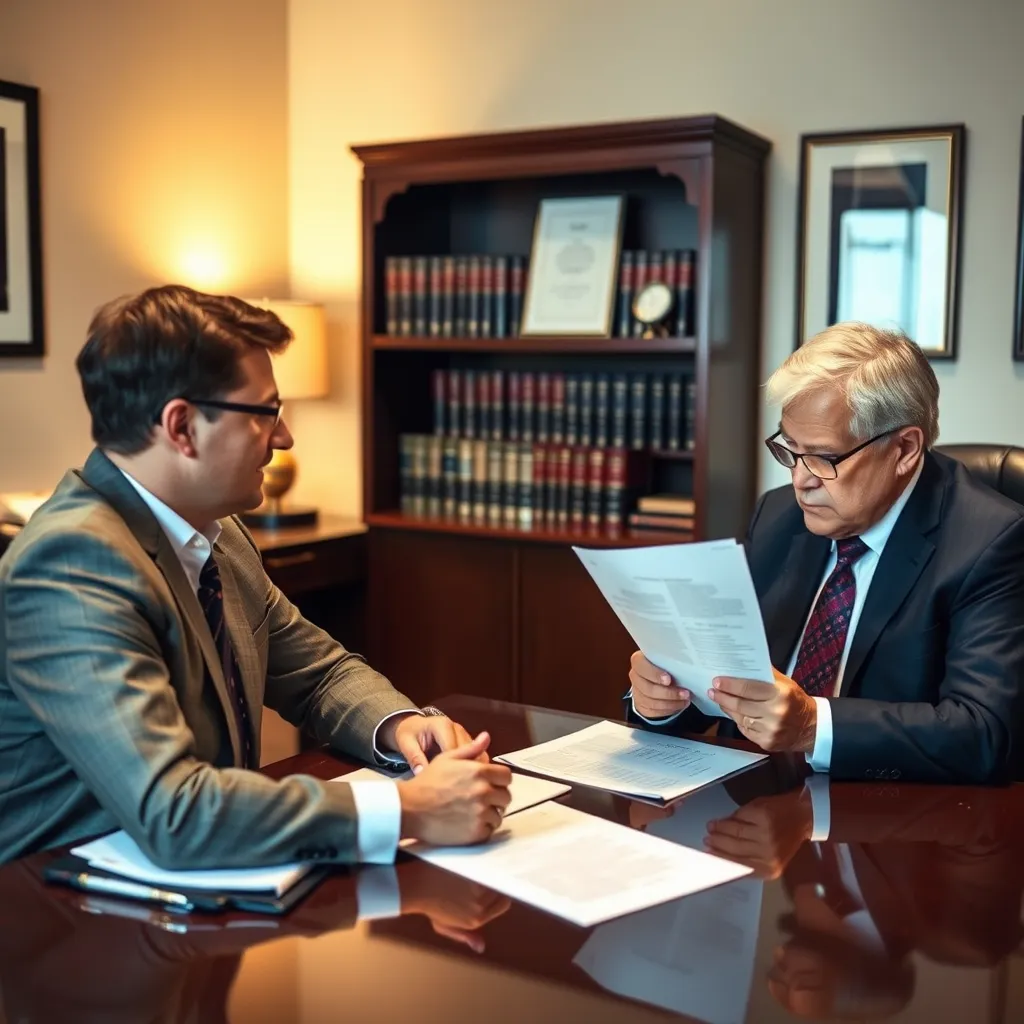
Establish Paternity Lawyer Falls Church, VA
When a child’s parentage is uncertain, the legal and emotional consequences can ripple through every aspect of family life. A father may be denied custody or visitation, a mother may struggle to secure child support, and a child may lose access to vital benefits and medical history. At Law Offices Of SRIS, P.C., Mr. Sris and the firm’s Of Counsel attorneys have represented clients in paternity matters before the Falls Church Juvenile and Domestic Relations Court and the Falls Church Circuit Court. We work with families to resolve parentage disputes through acknowledgment, genetic testing, or court adjudication, so that parental rights and responsibilities are properly established. For a consultation, call (888) 437-7747. Law Offices Of SRIS, P.C. – Advocacy Without Borders.
Strategy Options for Establishing Paternity in Falls Church
Virginia law provides several paths to establish paternity, and the right approach depends on whether both parents agree or a dispute exists.
If both parents agree, they may sign an Acknowledgment of Paternity under Va. Code § 20-49.1. This document, once filed with the Virginia Department of Social Services, has the same legal effect as a court order. It establishes the father’s legal relationship to the child and allows the father’s name to appear on the birth certificate. However, signing an acknowledgment also triggers parental obligations, including child support, so it is a step that benefits from legal counsel.
When parents disagree, or when paternity is contested, the matter proceeds to court. Either parent may file a petition to establish paternity in the Falls Church Juvenile and Domestic Relations District Court. The court may order genetic testing, which is highly accurate and can conclusively determine biological parentage. Mr. Sris and his Of Counsel help clients understand the implications of test results and prepare for any hearing that follows. Because Virginia courts consider the best interests of the child when making custody and visitation decisions, establishing paternity is often the first step toward a broader family law case.
What To Expect During a Falls Church Paternity Case
A paternity case in Falls Church typically begins with a petition filed in the Juvenile and Domestic Relations District Court. The court will schedule an initial hearing, and if paternity is disputed, it may order genetic testing. The parties submit to a simple cheek swab, and the results are generally available within several weeks. Once test results are received, the court can issue an order establishing paternity if the evidence supports it.
After paternity is established, the court can then address related issues, including custody, visitation, and child support. The Juvenile and Domestic Relations Court handles these matters for unmarried parents, while the Falls Church Circuit Court may handle paternity as part of a divorce or equitable distribution case. Throughout the process, deadlines set by the court must be met, and the assistance of an experienced attorney helps ensure that filings, evidence, and arguments are properly presented.
Legal Consequences of Establishing Paternity
Once paternity is legally established, the father gains the right to seek custody or visitation and the obligation to provide financial support. The court will apply Virginia’s child support guidelines to calculate support based on the parents’ combined gross income. A father who wishes to be involved in his child’s life can petition for a parenting plan, and the court will consider the best interests of the child under Va. Code § 20-124.3.
For the mother, a paternity order makes it possible to obtain child support and may also affect decisions about the child’s residence and medical care. For the child, establishing paternity secures the right to inherit, access to health insurance, and the emotional benefit of knowing both parents. Given these far-reaching consequences, it is essential to approach paternity proceedings with clear legal guidance. Mr. Sris and his Of Counsel help clients understand each step and work to protect their parental rights.
Attorney Credentials
Mr. Sris, Owner and Founder of Law Offices Of SRIS, P.C., is a former prosecutor who has been practicing since 1997. He is admitted in Virginia, Maryland, the District of Columbia, New Jersey, and New York. His background in criminal law provides a disciplined, detail-oriented approach to family law matters, including paternity disputes. Mr. Sris testified before the Virginia House Courts of Justice Committee in support of 2019 HB 635 (chief patron Del. David Bulova).
The firm’s Of Counsel attorneys bring extensive experience to family law cases in Northern Virginia. Together, Mr. Sris and his Of Counsel handle matters from initial consultation through trial, with a focus on clear, practical advice. For a fuller explanation of the statutory framework governing paternity in Virginia, see our comprehensive analysis on the firm’s main site.
Frequently Asked Questions
How do I start a paternity case in Falls Church?
To start a paternity case in Falls Church, a parent files a petition in the Juvenile and Domestic Relations District Court or, if the parents are married and divorcing, in the Circuit Court. The petition should state the basis for requesting paternity establishment and whether genetic testing is sought. A copy is served on the other parent, and a hearing is scheduled. An attorney can help prepare and file the necessary documents and guide you through the process. For a consultation, call (888) 437-7747.
What if the alleged father refuses to take a paternity test?
If a party refuses to participate in court-ordered genetic testing, the court may deem the refusal as evidence against that party and may still issue an order establishing paternity based on other evidence. The court has the authority to compel testing, and refusal can affect custody and support determinations. Mr. Sris and the firm’s Of Counsel attorneys can advise you on how to proceed when the other parent is uncooperative. Contact our firm at (888) 437-7747 to discuss your situation.
Does establishing paternity automatically give the father custody rights in Virginia?
No, establishing paternity does not automatically give a father custody or visitation rights; it gives him the legal standing to petition for them. Once paternity is established, the father may file for custody or visitation in the Falls Church Juvenile and Domestic Relations Court. The court will determine an arrangement based on the child’s best interests. A father who has been legally recognized should seek a court order to secure parenting time. Our attorneys can help with that next step.
How long does a paternity case take in Falls Church?
The timeline varies depending on whether the parents agree, the need for genetic testing, and the court’s calendar. An uncontested acknowledgment can be processed relatively quickly, while a contested case with testing and hearings may take several months. Because each situation is different, it is best to consult with an attorney about what to expect. For guidance on your specific situation, reach Law Offices Of SRIS, P.C. at (888) 437-7747.
Can a paternity order be challenged after it is established?
Yes, a paternity order may be challenged under certain circumstances, such as fraud, duress, or material mistake of fact, but strict time limits apply and the process is legally complex. Virginia law allows a person with a valid legal reason to petition to set aside an order, but the burden of proof is high. Anyone considering challenging an established paternity should seek legal advice promptly. Mr. Sris and his Of Counsel have experience with such matters and can evaluate your case.
Do I need a lawyer to establish paternity in Falls Church?
You are not legally required to have a lawyer to establish paternity, but legal representation helps ensure your rights and the child’s interests are protected. The process involves court filings, genetic testing protocols, and potential custody and support determinations. An attorney can help you avoid mistakes and present your case effectively. For a consultation, contact Law Offices Of SRIS, P.C. at (888) 437-7747.
Visit Our Fairfax Location
Mr. Sris and his Of Counsel serve clients in Falls Church from our Fairfax Location, by appointment only. To schedule a consultation, call (888) 437-7747.
Law Offices Of SRIS, P.C.
Fairfax Location
4008 Williamsburg Court
Fairfax, VA 22032
For official court information, visit the Falls Church Circuit Court website. The Virginia Code Title 20 contains the full text of paternity and family law statutes.
Attorney advertising. Prior results do not guarantee a similar outcome. Results may vary. Engaging Law Offices Of SRIS, P.C. Requires a signed engagement agreement.
Case results depend on a variety of factors unique to each case.