
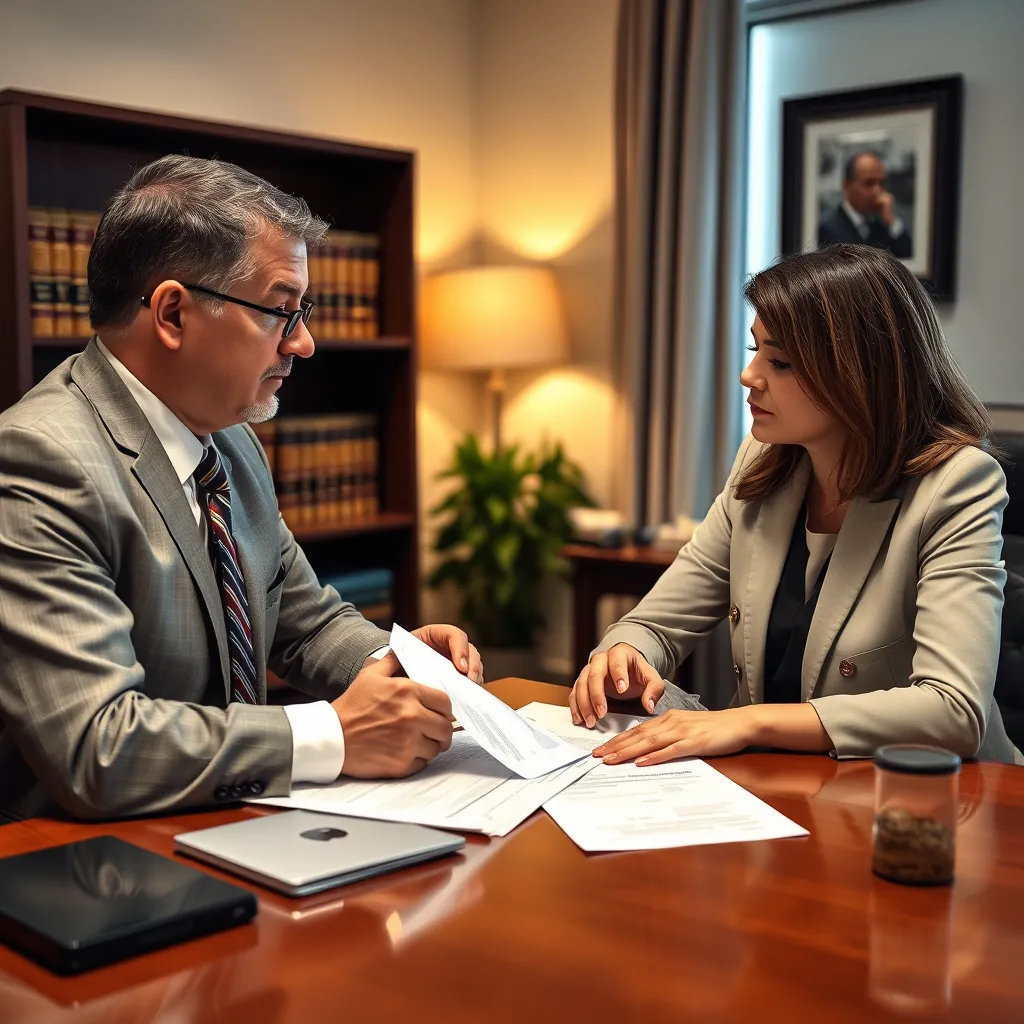
Equitable Distribution Lawyer Falls Church, VA
Equitable distribution governs how property is divided when a marriage ends in Virginia. Under Va. Code § 20-107.3, the court classifies assets as marital, separate, or hybrid, assigns a value to each, and distributes them equitably—not necessarily equally—based on eleven statutory factors. For residents of Falls Church, divorce filings proceed in the Falls Church Circuit Court, which has exclusive jurisdiction over divorce and property division. Whether the marital estate includes a family home near West Falls Church, a small business, retirement accounts, or out-of-state investments, proper classification and valuation are critical to protecting your financial future. Mr. Sris testified before the Virginia House Courts of Justice Committee in support of 2019 HB 635 (chief patron Del. David Bulova), which revised the equitable distribution statute’s provisions on qualified domestic relations orders. Law Offices Of SRIS, P.C. provides experienced representation for clients in Falls Church and throughout Northern Virginia. Call (888) 437-7747 to schedule a consultation.
What Equitable Distribution Means in Falls Church
Virginia is an equitable distribution state, not a community property state. That means a judge does not simply split assets down the middle. Instead, the court first classifies every piece of property as marital (acquired during the marriage), separate (owned before marriage or received as a gift or inheritance), or part‑marital/part‑separate. It then places a value on each item and distributes the marital portion based on the factors listed in Va. Code § 20-107.3, which include each spouse’s contributions to the family’s well‑being, the duration of the marriage, the grounds for divorce, and the tax consequences of any proposed division.
In Falls Church, these matters are heard at the Falls Church Circuit Court, located at 300 Park Avenue. Because the city is an independent jurisdiction within Northern Virginia, its Circuit Court follows the same statutory framework as the rest of the Commonwealth but has its own docket and procedural rhythms. Residents often hold assets tied to federal employment, government contracting, or professional practices in the Washington, D.C. Area, making valuation of deferred compensation, stock options, and business goodwill a frequent part of local equitable distribution cases. The firm’s familiarity with both the legal landscape and the local court’s expectations allows it to present a thorough financial picture to the court or to negotiate a settlement that accounts for each asset’s true character.
How Mr. Sris and the Firm’s Of Counsel Attorneys Handle Equitable Distribution Cases
A contested equitable distribution case often begins long before a hearing. The firm works with clients to gather financial records, tax returns, real estate appraisals, and business statements. When necessary, it collaborates with forensic accountants, business valuators, and pension attorneys to trace the origin of assets and establish accurate valuations. Mr. Sris’s background in accounting and information systems is an advantage when reviewing complex financial documents and identifying assets that one spouse may have attempted to conceal.
Once the financial landscape is clear, the firm pursues a settlement that reflects each party’s contributions and future needs. Many cases resolve through negotiation and a written property settlement agreement, which can avoid trial altogether. If a fair agreement cannot be reached, the firm is prepared to litigate the classification, valuation, and distribution issues before the Falls Church Circuit Court. Throughout the process, the goal is to secure a result that gives the client the foundation to move forward financially after the divorce.
About Mr. Sris and the Firm’s Of Counsel Attorneys
Mr. Sris, Owner and Founder of Law Offices Of SRIS, P.C., has practiced law since 1997. A former prosecutor, he brings a trial‑tested perspective to every family law matter. His direct involvement in the 2019 revision of Va. Code § 20-107.3(g)—through testimony before the Virginia House Courts of Justice Committee in support of HB 635—reflects a commitment to the fairness of the equitable distribution process. He is admitted in Virginia, Maryland, the District of Columbia, New Jersey, and New York.
The firm’s Of Counsel attorneys are experienced litigators who support equitable distribution cases across Northern Virginia. Their backgrounds—which include former prosecution and law enforcement service—add practical insight to the firm’s handling of contested property divisions. Collectively, the team works to deliver focused representation to each client, whether the matter is resolved through negotiation or requires trial.
Frequently Asked Questions
How is property divided in a Virginia divorce?
Virginia is an equitable distribution state; marital property is divided fairly but not always equally, after classifying, valuing, and considering eleven statutory factors. The court first determines what is marital property versus separate property. Marital property—assets acquired during the marriage, other than by gift or inheritance—is then divided based on factors such as each spouse’s contributions, the length of the marriage, and the reason for the divorce. Separate property generally remains with the spouse who owns it, unless it was commingled or transmuted into marital property. The Falls Church Circuit Court applies the same standards as other Virginia jurisdictions.
What kinds of assets are typically divided in a Falls Church divorce?
Assets subject to division include real estate, bank accounts, retirement accounts, vehicles, business interests, and personal property acquired during the marriage. For Falls Church residents, common marital assets may include a home purchased during the marriage, federal Thrift Savings Plan accounts, IRAs, stock options from government contractors, and professional practice goodwill. Separate property—such as an inheritance kept in a segregated account or a gift to one spouse alone—usually remains non‑marital. Tracing the source and commingling of assets is often the key dispute in equitable distribution cases handled through the Falls Church Circuit Court.
How does a court value a small business or professional practice?
Courts rely on business valuation attorneys who use income, market, or asset‑based approaches to determine the fair market value of the enterprise. In a Falls Church equitable distribution case, the firm may retain a forensic accountant or business valuator to analyze financial statements, tax returns, and comparable sales. Once the marital share of the business is identified, the court can either award the business to one spouse and offset the value with other assets, or order a buyout. Proper valuation is critical because it directly affects the overall property division.
How much does a divorce with property issues cost in Falls Church?
Circuit Court filing costs begin with a complaint fee, plus service costs; attorney fees vary based on complexity and whether the case is contested. The Falls Church Circuit Court charges a filing fee to file a divorce complaint, and sheriff service of process is roughly $12. Private process servers typically charge more. Mediation fees often run $100–$300 per hour per party. Attorney fees depend on the size of the marital estate, whether attorneys such as business valuators are needed, and the degree of conflict between the spouses. For a consultation about your specific situation, call (888) 437-7747.
How long does it take to finalize an equitable distribution case in Falls Church?
An uncontested divorce with a signed separation agreement may resolve in two to four months from filing; a contested case typically takes nine to eighteen months. The timeline depends on the mandatory separation period before filing, the court’s calendar, and the complexity of asset valuation. If expert witnesses are involved or if the parties cannot agree on property classification, the case can extend longer. The Falls Church Circuit Court schedules hearings based on its own docket, and pendente lite motions for temporary support can be set within weeks of filing.
Do I need a lawyer for property division in a Virginia divorce?
You are not legally required to hire an attorney, but equitable distribution involves detailed statutory rules that can seriously affect your finances for years. Without legal guidance, a spouse may unknowingly waive claims to retirement assets, fail to identify hidden property, or accept an unfair settlement. An experienced family law attorney can trace assets, work with valuation attorneys, and present a coherent case to the court. To discuss how the firm can assist with your Falls Church equitable distribution matter, contact Law Offices Of SRIS, P.C. at (888) 437-7747.
Additional local representation is available through our sibling pages:
Fairfax County family law attorney ·
Fairfax City divorce lawyer ·
Prince William County equitable distribution attorney ·
Manassas family law firm ·
Manassas Park divorce representation
For authoritative statutory information, consult the Virginia Legislative Information System’s Va. Code § 20-107.3 and the Virginia Judicial System website.
Attorney advertising. Prior results do not guarantee a similar outcome.
Case results depend on a variety of factors unique to each case.