
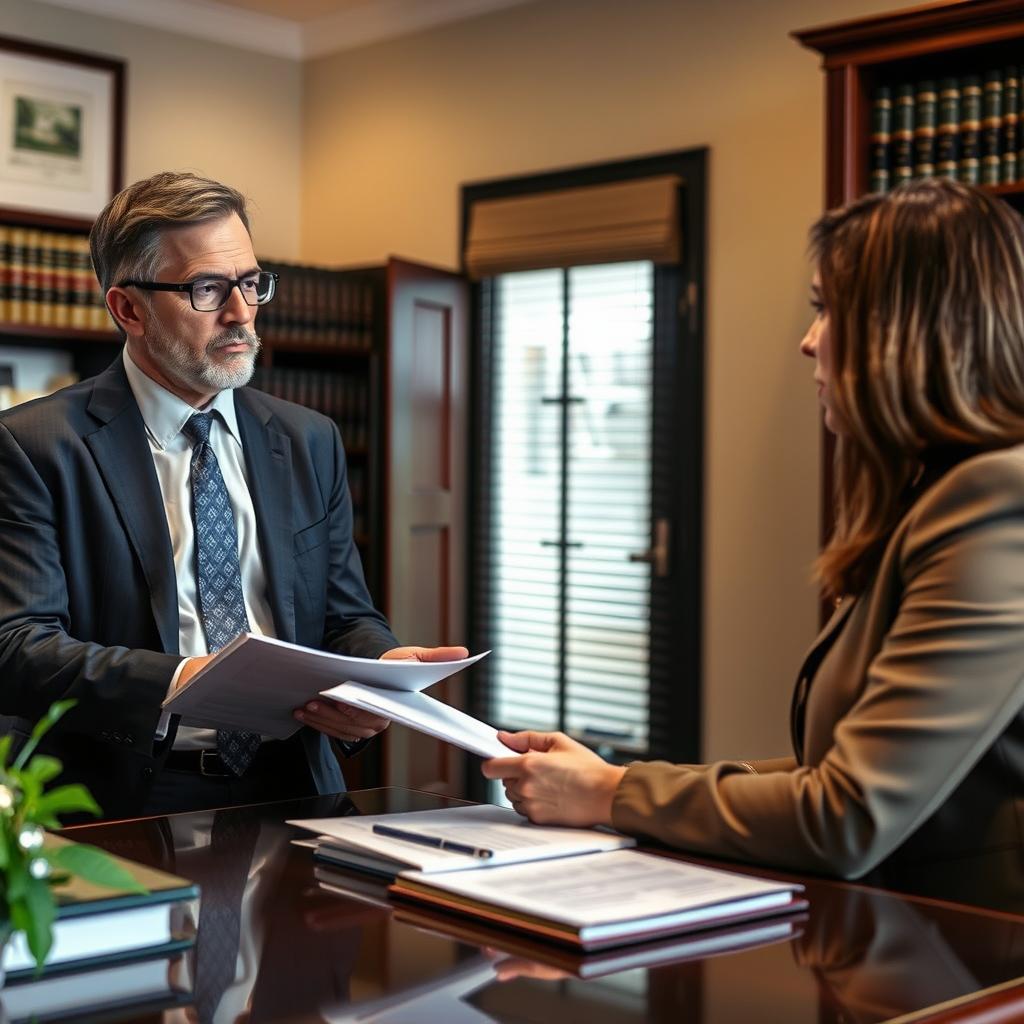
Cruelty Divorce Lawyer Fairfax County, VA
Cruelty is one of the fault-based grounds for divorce in Virginia, defined under Va. Code § 20-91. When a spouse’s behavior causes a reasonable fear of bodily harm, making life together unbearable or unsafe, the injured spouse may file a complaint seeking a cruelty divorce. In Fairfax County, these matters are heard in the Fairfax County Circuit Court at 4110 Chain Bridge Road, which has exclusive jurisdiction over divorce proceedings. The court evaluates evidence of cruelty and determines how the conduct affects equitable distribution of marital property, spousal support, and even child custody. Law Offices Of SRIS, P.C., founded in 1997 by Mr. Sris, represents clients in cruelty-based divorce actions — both pursuing and defending against such claims. Mr. Sris, a former prosecutor, brings an evidence-driven approach to building each case. Together with his Of Counsel team, he works to present a clear record of the alleged conduct and its impact. Our Fairfax location is available for consultations by appointment. For a consultation regarding a cruelty divorce in Fairfax County, reach us at (888) 437-7747.
What Cruelty Divorce Means in Fairfax County
Under Virginia law, cruelty as a divorce ground goes beyond garden-variety marital conflict. The spouse alleging cruelty must show that the other spouse’s conduct caused a reasonable apprehension of bodily hurt, making continued cohabitation unsafe. Va. Code § 20-91 does not define cruelty with a rigid checklist; rather, the court examines the totality of circumstances, including physical violence, threats of violence, and patterns of emotional abuse that place the other spouse in fear. Fairfax County Circuit Court judges evaluate these cases individually, considering evidence such as medical records, police reports, witness testimony, and correspondence. Unlike a no-fault divorce, which requires a separation period of six months to one year, a cruelty-based filing can proceed without a prolonged waiting period if the court finds the ground established.
Because cruelty is a fault ground, its proof can have significant consequences. The court may consider the misconduct when dividing marital property under Va. Code § 20-107.3, potentially awarding a larger share to the innocent spouse. Spousal support may also be affected; a spouse found guilty of cruelty may be ordered to pay support, and the innocent spouse’s need is weighed against the other’s ability to pay. However, the court still focuses on the best interests of any children, and cruelty does not automatically bar custody, though safety concerns are paramount. Our firm’s attorneys work with clients to gather compelling evidence and present it effectively in Fairfax County Circuit Court.
How Mr. Sris and His Of Counsel Handle Cruelty Divorce Cases
When a client comes to us with a cruelty divorce matter, Mr. Sris and his Of Counsel begin by listening carefully to the details. We identify the specific conduct that meets the legal threshold for cruelty under Virginia law. Our team then works to assemble a strong evidentiary record — reviewing medical records, police reports, text messages, emails, and any other documentation that demonstrates a pattern of conduct causing reasonable fear of harm. We may consult with attorneys, such as medical professionals or mental health counselors, to explain the impact of the cited behavior. Mr. Sris’s background as a former prosecutor gives him a practiced eye for evidence that holds up under cross-examination, which is critical when the allegations are disputed.
While we prepare every case as though it will go to trial, we also explore settlement possibilities. Many cruelty divorce cases resolve without a full trial, through negotiation or mediation, particularly when both parties see the strength of the evidence. Our attorneys work toward agreements that protect the innocent spouse’s interests while minimizing the emotional toll. When trial is necessary, we present a clear, well-organized case in Fairfax County Circuit Court. We understand the procedural requirements of that court, from filing the complaint to presenting testimony. Throughout the process, we keep our clients informed of developments and advise them on the potential outcomes, including the impact on property division, support, and custody.
About Mr. Sris and His Of Counsel Team
Mr. Sris is the Owner and Founder of Law Offices Of SRIS, P.C., which he established in 1997. A former prosecutor, he built his career on trial advocacy and evidence assessment before shifting to family law. He is admitted to practice in Virginia, Maryland, the District of Columbia, New Jersey, and New York. His trial experience informs his approach to cruelty divorce cases, where the ability to present a persuasive evidentiary record can be decisive. Mr. Sris has handled family law matters in Fairfax County for many years and is familiar with the judges and procedures of the Fairfax County Circuit Court.
Alongside Mr. Sris, the firm’s Of Counsel attorneys contribute their own experience in family law and litigation. Together, the team works on each case, drawing on a breadth of knowledge to address the factual and legal issues that arise. Clients benefit from a collaborative approach that combines strategic planning with attention to detail. While Mr. Sris oversees the direction of every matter, he and his team ensure that clients receive responsive, thorough representation from start to finish. Our firm is committed to helping Fairfax County residents navigate the challenges of a cruelty divorce with professionalism and clarity.
Frequently Asked Questions
What is cruelty as a ground for divorce in Virginia?
Cruelty is a fault-based ground for divorce in Virginia, defined as conduct that causes a reasonable apprehension of bodily hurt, making it unsafe or intolerable for the spouses to continue living together. It is not simply unhappiness or disagreement; there must be evidence of physical violence, threats, or a pattern of behavior that places the other spouse in fear. The specific acts can vary widely, and the court evaluates the totality of circumstances. If you believe your marriage meets the cruelty standard, an experienced family law attorney can assess the facts of your case.
How do I prove cruelty in a Fairfax County divorce?
Proving cruelty requires clear and convincing evidence that the other spouse’s conduct caused a reasonable fear of bodily harm. Documentation is key: medical records of injuries, police reports, protective orders, photographs, threatening text messages or emails, and testimony from witnesses who observed the behavior. In Fairfax County Circuit Court, the judge will weigh all evidence before making a determination. An attorney can help you identify and preserve the strongest evidence and present it in a manner that meets the court’s evidentiary standards.
Can a cruelty finding affect how property is divided?
Yes. Virginia is an equitable distribution state, meaning the court divides marital property fairly but not necessarily equally. Under Va. Code § 20-107.3, the judge can consider fault grounds such as cruelty when deciding how to divide assets and debts. If one spouse’s cruel behavior contributed to the breakdown of the marriage, the court may award a larger share to the innocent spouse. The impact on property division depends on the severity and nature of the conduct and how it affected the marital partnership.
What is the difference between a cruelty divorce and a no-fault divorce?
A no-fault divorce in Virginia requires a separation period — six months if there are no minor children and a signed settlement agreement, or one year otherwise. A cruelty divorce does not require a separation period; if the court finds the ground of cruelty proven, it may grant the divorce immediately. However, cruelty must be proved with evidence, while a no-fault divorce only requires living separate and apart. Some clients choose cruelty when they need a divorce sooner or want the court to consider misconduct in property and support decisions.
Do I need a lawyer to file a cruelty divorce in Fairfax County?
You are not required to have a lawyer, but a cruelty divorce involves complex legal and evidentiary issues. Presenting a persuasive case requires gathering admissible evidence, understanding procedural rules, and making effective arguments in Fairfax County Circuit Court. Without legal training, it is easy to overlook crucial steps or fail to present evidence correctly. An experienced family law attorney can help you build a strong case and navigate negotiations or trial, protecting your rights and interests throughout the process.
What if my spouse denies the cruelty allegations?
If your spouse denies cruelty, the case becomes contested, and the court will hold a trial to determine whether the ground exists. You will need to present your evidence and witness testimony. Your spouse may present contrary evidence. The judge then decides whether the evidence meets the legal standard. Having a lawyer with trial experience — particularly a former prosecutor — can be advantageous in cross-examining witnesses and presenting your evidence persuasively. Our firm prepares every cruelty case as though it will go to trial, so we are ready if the matter cannot be settled.
Official Virginia resources: Virginia Code Title 20 (Divorce) | Fairfax County Circuit Court.
Case results depend on a variety of factors unique to each case.