
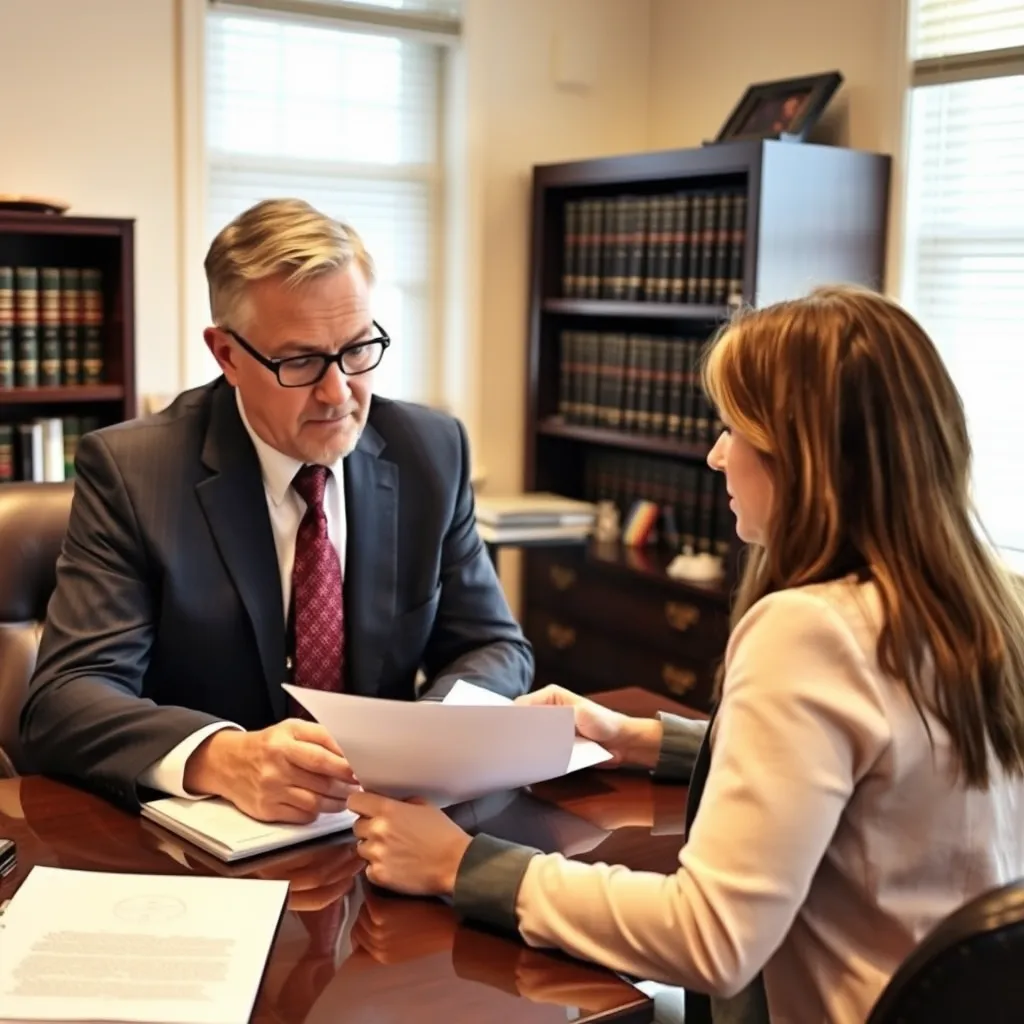
Child Support Enforcement Lawyer Alexandria, VA
When a child support order goes unpaid in Alexandria, Virginia, the consequences can ripple quickly through a family’s finances and into the courtroom. Whether you are a parent trying to collect what your child is owed or you are facing enforcement measures that threaten your driver’s license, your wages, or your freedom, the legal process ahead requires experienced guidance. Child support enforcement in Alexandria is handled primarily in the Alexandria Juvenile and Domestic Relations District Court—the court that hears standalone support, custody, and protective-order matters—while enforcement connected to a divorce proceeds in the Alexandria Circuit Court. At Law Offices Of SRIS, P.C., Mr. Sris and the firm’s Of Counsel attorneys concentrate on family law matters in Virginia and appear regularly in Alexandria’s courts. We work to protect the interests of children and parents alike, using a thorough, fact-driven approach to each case. Reach Law Offices Of SRIS, P.C. at (888) 437-7747 to schedule a consultation.
Understanding Child Support Enforcement in Alexandria, Virginia
Virginia law establishes a clear obligation: both parents must support their children. When a court enters a child support order—whether as part of a divorce, a custody case, or a standalone petition—that order carries the force of law. If the paying parent falls behind, the custodial parent or the Virginia Division of Child Support Enforcement (DCSE) can seek enforcement through the courts. In Alexandria, enforcement proceedings typically begin in the Alexandria Juvenile and Domestic Relations District Court, which sits at 520 King Street alongside the General District Court and the Circuit Court. The court has the authority to compel payment through a range of remedies, including income withholding, tax-refund interception, license suspension, and contempt of court. In cases connected to an ongoing divorce, the Alexandria Circuit Court retains jurisdiction over support matters as part of equitable distribution and spousal support under Va. Code § 20-107.3.
The legal framework is built on the Virginia child support guidelines found in Va. Code § 20-108.1, which calculate support based on the combined gross incomes of both parents and the number of children. Enforcement proceedings, however, do not recalculate support de novo; rather, they address the failure to comply with an existing order. A parent owed support may ask the court to hold the non-paying parent in civil contempt, which can result in a jail sentence until a purge amount is paid. The court may also order the non-paying parent to pay the other parent’s attorney’s fees and court costs. For parents who are themselves facing enforcement, the defenses are limited but can include a lack of ability to pay (if proven with clear evidence) or procedural defects in the enforcement action. Because the Alexandria J&DR Court handles a high volume of support matters, familiarity with local judges, court practices, and the expectations of the DCSE representatives who frequently appear is essential to navigating the process effectively. Mr. Sris and the firm’s Of Counsel attorneys bring extensive combined legal experience to child support enforcement matters across the City of Alexandria, Old Town, Del Ray, and Kingstowne. Results may vary.
How Mr. Sris and the Firm’s Of Counsel Attorneys Handle Child Support Enforcement Cases
Every child support enforcement case begins with a thorough review of the existing order and the payment history. The firm’s attorneys examine the underlying support calculation, the arrears ledger, and any prior court findings to identify strengths and weaknesses on both sides. For a parent seeking enforcement, we build a record that demonstrates the non-payment clearly—through certified payment records, testimony, and the order itself—and present that record to the court in a manner that highlights the impact on the child. For a parent facing enforcement, we investigate whether the enforcement action complies with procedural requirements, whether the arrearage was calculated correctly, and whether there are genuine financial constraints that the court should consider. We also explore whether the current order remains appropriate or whether a modification petition should be filed concurrently to bring the obligation in line with the parent’s actual circumstances.
In court, the firm’s attorneys handle all phases of the enforcement proceeding, from initial status hearings through contested evidentiary hearings. Because the Alexandria Juvenile and Domestic Relations District Court operates without a jury, the credibility of the evidence and the persuasiveness of the legal argument carry the day. We prepare clients thoroughly for their testimony and work to ensure that every document—pay stubs, tax returns, bank records, and the order itself—is properly admitted. When appropriate, we negotiate with the opposing party or with the DCSE attorney to reach a consent resolution that avoids a contested hearing while still protecting the client’s interests. Our goal in every case is to return the focus to the financial support of the child and to do so in a manner that the client can sustain moving forward.
About Mr. Sris and the Firm’s Of Counsel Attorneys
Law Offices Of SRIS, P.C. was founded in 1997 by Mr. Sris, a former prosecutor who now concentrates his practice on family law and criminal defense. Mr. Sris is admitted in Virginia, Maryland, the District of Columbia, New Jersey, and New York, and he brings decades of courtroom experience to every child support enforcement matter. As Owner and Founder, Mr. Sris guides the firm’s approach to litigation—an approach that emphasizes careful preparation, clear advocacy, and a realistic assessment of each case’s potential outcomes. Mr. Sris testified before the Virginia House Courts of Justice Committee in support of 2019 HB 635 (chief patron Del. David Bulova), a measure that addressed procedural aspects of equitable distribution in Virginia divorce proceedings, reflecting his commitment to improving the law governing Virginia families.
The firm’s Of Counsel attorneys work alongside Mr. Sris on child support enforcement cases in Alexandria. All Of Counsel attorneys are experienced litigators who handle family law matters in Virginia courts, and they bring strong backgrounds in trial advocacy, evidence, and procedure. The firm maintains an Arlington location that serves clients throughout the Alexandria area, and we handle enforcement proceedings in the Alexandria Juvenile and Domestic Relations District Court and the Alexandria Circuit Court. We are able to serve clients who speak English, Spanish, or Tamil. Mr. Sris and the firm’s Of Counsel attorneys bring extensive combined legal experience. Results may vary.
Frequently Asked Questions
How can I enforce a child support order in Alexandria, Virginia?
To enforce a child support order in Alexandria, you may file a petition for enforcement in the Alexandria Juvenile and Domestic Relations District Court or, if the order is part of a divorce, in the Alexandria Circuit Court. The court can order income withholding from the paying parent’s wages, intercept tax refunds, suspend driver’s and professional licenses, hold the parent in civil contempt, and require the parent to pay your attorney’s fees. The Virginia Division of Child Support Enforcement may also enforce the order administratively. An experienced attorney can help you select the most effective enforcement method for your situation and present a clear, well-documented case to the court.
What defenses are available if I am facing child support enforcement?
A parent facing child support enforcement in Alexandria may raise defenses such as an incorrect arrearage calculation, a failure to credit payments, a lack of ability to pay due to circumstances beyond their control, or procedural errors in the enforcement petition. The court will examine the evidence closely; mere hardship is not a complete defense unless accompanied by a motion to modify the support obligation. It is critical to begin gathering pay stubs, bank statements, and proof of payments already made. An experienced family law attorney can evaluate which defenses are viable under the specific facts and help you present them effectively.
How is child support calculated in Virginia?
Virginia calculates child support under the statutory guidelines found in Va. Code § 20-108.1, which use a formula that considers the combined gross incomes of both parents, the number of children, work-related childcare costs, and health insurance premiums for the children. The basic support obligation is determined from a schedule, and each parent’s share is proportional to that parent’s income. The court may deviate from the guideline amount only for specific reasons set forth in the statute and must explain the deviation in writing. An attorney can help ensure that all relevant financial information is presented accurately so that the order reflects the true circumstances.
Do I need a lawyer for a child support enforcement case in Alexandria?
You are not legally required to have a lawyer to pursue or defend a child support enforcement action in Alexandria, but the procedural rules, evidentiary requirements, and potential consequences—including jail time for contempt—make legal representation a practical safeguard for your rights and your family’s financial stability. An experienced attorney understands the local court procedures, knows how to present financial evidence persuasively, and can negotiate resolutions that a self-represented litigant may not achieve. The firm’s attorneys handle enforcement matters throughout Alexandria and can explain the process and potential outcomes in an initial consultation. For guidance on your specific situation, reach Law Offices Of SRIS, P.C. at (888) 437-7747.
What happens if I don’t pay child support in Virginia?
Failing to pay child support in Virginia can lead to income withholding, interception of tax refunds and stimulus payments, suspension of driver’s, professional, and recreational licenses, denial of a U.S. Passport, reporting to credit bureaus, and a finding of civil contempt that may result in jail until a purge amount is paid. The court may also order the payment of the other parent’s attorney’s fees. If the arrearage is substantial, the matter can be referred to the Division of Child Support Enforcement for administrative enforcement. Prompt action to address the situation—whether through a payment plan or a modification petition—can reduce the risk of the most serious sanctions.
Can child support enforcement be combined with a custody or visitation modification in Alexandria?
Yes, enforcement and modification petitions can be heard together when they arise from the same family and are within the same court’s jurisdiction. For example, if a parent is seeking enforcement of a support order and also wants to change custody or visitation, those matters may be consolidated in the Alexandria Juvenile and Domestic Relations District Court if they all fall within its authority. Handling related issues in a single proceeding often saves time and reduces conflict. An attorney can help determine whether consolidation is appropriate and how to present the interconnected family circumstances to the court.
Local Family Law Resources:
Official Virginia Resources:
- Virginia Code § 20-108.1 – Child support guidelines
- Virginia Juvenile and Domestic Relations District Courts
- Alexandria Circuit Court
Attorney advertising. Prior results do not guarantee a similar outcome.
Case results depend on a variety of factors unique to each case.
Results may vary.
The Attorney responsible for this advertising: Mr. Sris.