
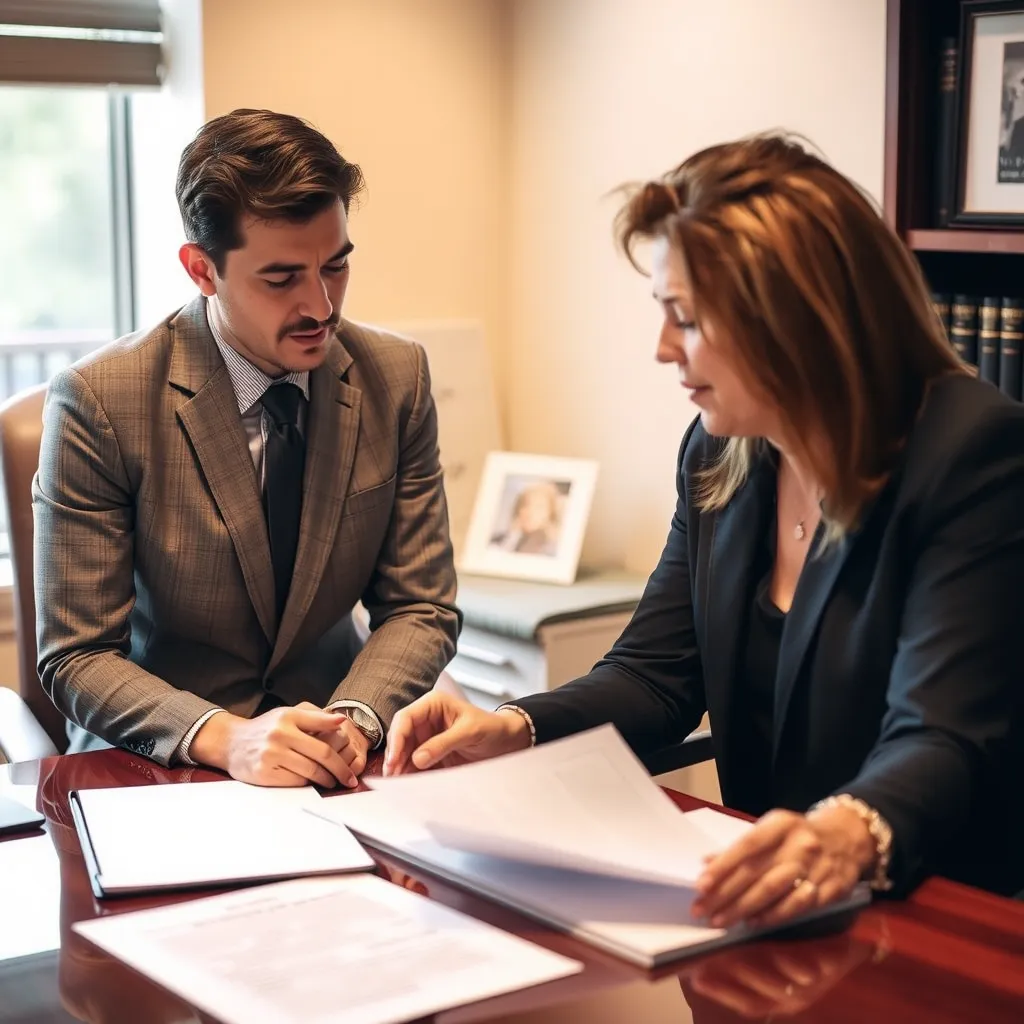
Child Support Contempt Lawyer Fairfax, VA
When a court orders a parent in Fairfax to pay child support and that parent fails to comply, the other parent or the Division of Child Support Enforcement can seek relief through a contempt proceeding. Child support contempt is a serious matter. The Fairfax County Juvenile and Domestic Relations District Court and, in divorce cases, the Fairfax County Circuit Court have authority to enforce support orders. Mr. Sris, an experienced family law attorney admitted in Virginia, Maryland, the District of Columbia, New Jersey, and New York, works with the firm’s Of Counsel attorneys to pursue enforcement on behalf of a parent who is owed support or to defend a parent accused of willful non-payment. Law Offices Of SRIS, P.C., founded in 1997, serves clients throughout Northern Virginia from its Fairfax location. Whether you need to collect past-due support or you are facing a show-cause hearing, contact our firm at (888) 437-7747 to schedule a consultation. Law Offices Of SRIS, P.C. – Advocacy Without Borders.
What Child Support Contempt Means in Fairfax, Virginia
Virginia law treats child support as a legal obligation, and a parent who willfully disobeys a support order can be held in contempt. In Fairfax County, enforcement actions are typically heard in the Juvenile and Domestic Relations District Court, located at 4110 Chain Bridge Road. When the underlying support order arises from a divorce case in the Circuit Court, that court may also exercise contempt jurisdiction. The applicable statutes are Va. Code § 20-108.1 (the child support guidelines) and § 20-108.2 (calculation rules). The Virginia Code also allows the court to award attorney fees and costs to the prevailing party.
A contempt finding requires proof that the obligated parent had the ability to pay and willfully failed to do so. Inability to pay—due to job loss, disability, or other circumstances—can be a defense, but the parent must show that the non-payment was not voluntary. The court has broad discretion and can order a variety of remedies, including a payment plan, a lump-sum purge amount, wage garnishment, license suspension, or, in the most serious cases, incarceration. Because these consequences can affect both the parent and the child, the court considers the facts of each case carefully. An attorney can help present evidence and argue for an outcome that serves the child’s best interests while protecting the parent’s rights.
How Mr. Sris and the Firm’s Of Counsel Attorneys Handle Child Support Contempt Cases
Mr. Sris and the firm’s Of Counsel attorneys approach each contempt matter by first understanding the underlying support order and the history of compliance. They obtain payment records from the Virginia Department of Social Services, gather documentation of any changes in employment or income, and assess whether the alleged violation was willful. In enforcement cases, they file a petition for a rule to show cause and prepare the parent seeking enforcement for the hearing. If the party owes support, they work to negotiate a settlement that satisfies the arrearage and allows the parent to avoid sanctions. In defense cases, they present evidence of inability to pay, seek modification of the support amount if circumstances have changed, and advocate against incarceration. Throughout the process, they keep the client informed and appear at all court proceedings in Fairfax County.
The firm’s approach is tailored to the specific Fairfax County court where the matter is pending. In the J&DR Court, the focus is often on swift resolution and compliance, while the Circuit Court may address contempt alongside divorce and equitable distribution issues. In either forum, Mr. Sris and the firm’s Of Counsel attorneys use their experience with local practice to advance the client’s position. They have handled matters before the Nineteenth Judicial District judges and understand the expectations of the Fairfax courts.
About Mr. Sris and the Firm’s Of Counsel Attorneys
Mr. Sris, Owner and Founder of Law Offices Of SRIS, P.C., established the firm in 1997. A former prosecutor, he brings an insider’s perspective to litigation and has concentrated much of his practice on family law matters in Virginia. He is admitted to the bars of Virginia, Maryland, the District of Columbia, New Jersey, and New York. Mr. Sris testified before the Virginia House Courts of Justice Committee in support of 2019 HB 635 (chief patron Del. David Bulova), a bill that revised the equitable distribution statute. His legislative experience underscores his commitment to the practice of family law.
The firm’s Of Counsel attorneys are independent professionals who contract directly with Law Offices Of SRIS, P.C. They include former prosecutors and law enforcement personnel, and they have extensive experience in family law, criminal defense, and civil litigation. Together, Mr. Sris and the firm’s Of Counsel attorneys provide representation in child support contempt cases that addresses both the legal and practical needs of parents in Fairfax, Burke, Centreville, Chantilly, Herndon, Reston, McLean, Vienna, Tysons, Oakton, Springfield, Annandale, and the Falls Church area. To discuss your matter, call (888) 437-7747.
Frequently Asked Questions
What is child support contempt in Virginia?
Child support contempt is a legal finding that a parent willfully disobeyed a court order requiring payment of child support. Under Virginia Code § 20-108.1 and related provisions, the court can impose sanctions ranging from fines and attorney fees to suspended jail sentences if the parent had the ability to pay and chose not to comply. The purpose is to compel compliance and ensure the child receives the financial support the court determined was appropriate. A parent may face civil contempt, which is remedial, or criminal contempt, which is punitive. Most cases begin as civil contempt proceedings brought by the other parent or the Division of Child Support Enforcement.
How do I file for child support contempt in Fairfax County?
To initiate a contempt action, you must file a petition for a rule to show cause with the appropriate Fairfax County court. If the support order was issued by the Juvenile and Domestic Relations District Court, file there. If the order stems from a divorce in the Circuit Court, file in the Circuit Court. The petition should describe the support order, the amount of the arrearage, and the parent’s failure to pay. The court will then issue a show-cause order directing the other parent to appear and explain why they should not be held in contempt. An experienced attorney can prepare the petition, gather the necessary records, and present your case at the hearing.
What are the possible consequences of failing to pay child support in Virginia?
A parent found in contempt may face wage garnishment, interception of tax refunds, suspension of driver’s or professional licenses, reporting to credit bureaus, and even jail time. The court can order the parent to pay a lump-sum purge amount to avoid incarceration. If incarceration is ordered, the parent can purge the contempt by paying the specified amount. The goal is to enforce the support obligation, not to punish. However, repeated or serious violations can result in criminal charges. The consequences depend on the specific facts and the court’s assessment of the parent’s ability to pay.
Can I go to jail for not paying child support in Virginia?
Yes, a parent who willfully fails to pay child support can be incarcerated for civil or criminal contempt. Civil contempt is intended to coerce compliance, and the jail term ends when the parent pays the purge amount or complies with the order. Criminal contempt is punitive and requires proof beyond a reasonable doubt. Jail time is typically a last resort, but courts do not hesitate to use it when a parent has the ability to pay and refuses to do so. An attorney can present evidence of inability to pay to avoid incarceration and work out an alternative arrangement with the court.
What defenses are available in a child support contempt case?
The primary defense is that the non-payment was not willful because the parent genuinely lacked the ability to pay. A parent may show that they lost their job through no fault of their own, suffered a serious illness or disability, or experienced other circumstances that made payment impossible. The parent must present documentary evidence such as paystubs, termination letters, medical records, and proof of job-search efforts. A parent may also argue that the amount of arrearage is incorrect or that the support order itself should be modified due to a material change in circumstances. An experienced attorney can help build a defense tailored to the facts.
Do I need a lawyer for a child support contempt matter?
You are not required to hire a lawyer, but the stakes—potential jail time, significant financial penalties, and a permanent record—make experienced legal representation advisable. A child support contempt hearing requires a strong command of Virginia procedure, the rules of evidence, and the local court’s expectations. Mr. Sris and the firm’s Of Counsel attorneys have appeared in Fairfax County courts for many years and understand how to present a case to achieve a favorable outcome. They can negotiate with opposing counsel or the Division of Child Support Enforcement, gather and present evidence, and argue for an appropriate remedy or defense. To discuss your situation, contact Law Offices Of SRIS, P.C. at (888) 437-7747.
Related Pages: Fairfax County Family Law | Fairfax City Family Law | Prince William County Family Law | Virginia Family Law Practice
Resources: Virginia Code Title 20 (Domestic Relations) | Virginia Juvenile and Domestic Relations District Courts
Attorney advertising. Prior results do not guarantee a similar outcome. Results may vary. Law Offices Of SRIS, P.C. is a multi-state firm; our Fairfax location serves clients by appointment. © 1997–2026 Law Offices Of SRIS, P.C.
Case results depend on a variety of factors unique to each case.