
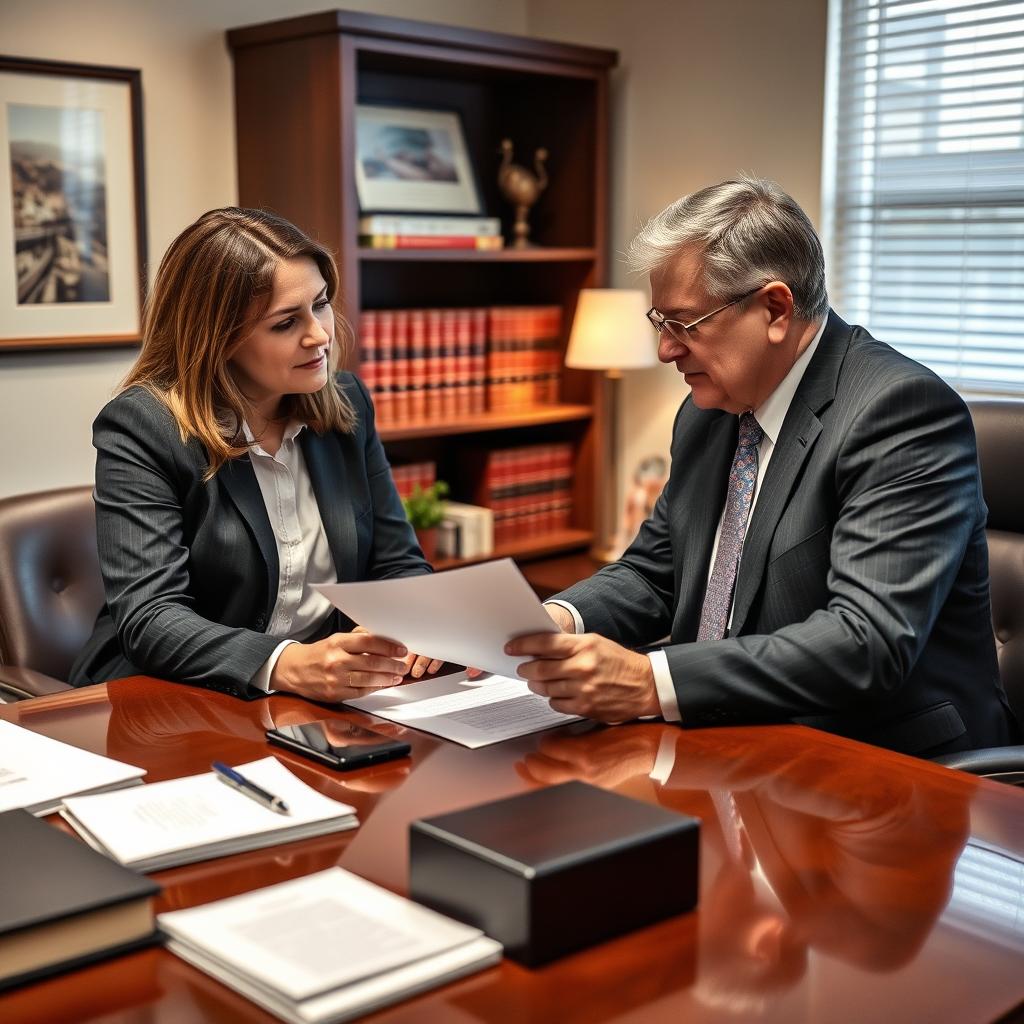
Business Property Lawyer Fairfax
You need a Business Property Lawyer Fairfax to handle commercial real estate transactions, leasing, and land use disputes. Law Offices Of SRIS, P.C.—Advocacy Without Borders. provides direct counsel for Fairfax business owners. Our attorneys manage contracts, zoning appeals, and title issues specific to Virginia law. We protect your commercial investment from negotiation through litigation. (Confirmed by SRIS, P.C.)
Statutory Definition of Business Property Issues in Fairfax
Virginia property law is codified under Title 55 of the Virginia Code, governing all commercial real estate transactions and disputes in Fairfax. The statutes define rights, obligations, and remedies for business property owners. Key sections include the Virginia Condominium Act (§ 55.1-1900 et seq.) and the Virginia Property Owners’ Association Act (§ 55.1-1800 et seq.). These laws regulate commercial leases, sales contracts, and land use. A Business Property Lawyer Fairfax interprets these codes for your specific case.
Commercial real estate transactions involve complex statutory compliance. The Virginia Uniform Commercial Code (Title 8.9A) can also impact secured transactions involving business property. Local Fairfax ordinances add another layer of regulation, particularly for zoning and development. Understanding the interplay between state code and local rules is critical. Failure to comply can result in contract rescission, fines, or loss of property rights.
SRIS, P.C. analyzes the relevant statutes for every client matter. We review title issues under Virginia’s recording statutes (§ 55.1-600 et seq.). We handle landlord-tenant disputes under the Virginia Residential Landlord and Tenant Act, which applies to some commercial spaces. Our firm’s knowledge of Virginia statutory law provides a foundation for effective advocacy. We ensure your business property dealings are legally sound.
What statutes govern commercial leasing in Fairfax?
Commercial leases in Fairfax are primarily governed by common law and the terms of the written contract. Virginia Code Title 55, particularly sections on landlord and tenant duties, provides the legal framework. The Virginia Uniform Commercial Code may apply to leases deemed secured transactions. Fairfax County zoning ordinances also dictate permissible uses for leased commercial space. A commercial real estate lawyer Fairfax must handle all these sources.
How does Virginia define a breach of a commercial property contract?
Virginia law defines a breach as a failure to perform any contractual duty without a legal excuse. For business property contracts, this includes failure to close a sale, pay rent, or maintain the premises. Remedies are specified in the contract and under Virginia Code § 8.01-221 et seq. The non-breaching party may seek damages, specific performance, or contract termination. Prompt legal action is essential to preserve rights.
What are the common title defects for business property in Virginia?
Common title defects include unreleased liens, easement disputes, boundary line errors, and fraudulent conveyances. Virginia’s recording system under Title 55.1 establishes priority of interests. A title search is required to identify these issues before a transaction closes. Defects can derail a sale or financing. A business property transaction lawyer Fairfax conducts due diligence to clear title.
The Insider Procedural Edge in Fairfax Courts
The Fairfax County Circuit Court handles major business property litigation at 4110 Chain Bridge Road, Fairfax, VA 22030. This court manages cases involving title disputes, specific performance, and commercial contract claims exceeding $25,000. Procedural rules are strict, with specific filing deadlines and pleading requirements. Filing fees vary by case type but start at several hundred dollars. Local rules mandate pre-trial conferences for complex civil matters.
Fairfax courts move quickly, and missing a deadline can forfeit your rights. The court’s civil division requires precise adherence to the Rules of the Supreme Court of Virginia. Motions must be filed with proper notice and supporting memoranda. Judges in Fairfax expect attorneys to be thoroughly prepared on the first hearing date. Procedural missteps can disadvantage your case before substantive arguments even begin.
For zoning and land use appeals, matters are heard before the Fairfax County Board of Zoning Appeals. The process involves submitting detailed applications and presenting evidence at public hearings. Deadlines for appealing a zoning decision are short, often 30 days from the determination. SRIS, P.C. knows the clerks, the judges, and the local procedural nuances. We use this knowledge to advance your business property interests efficiently.
What is the typical timeline for a commercial property lawsuit in Fairfax?
A commercial property lawsuit in Fairfax can take 12 to 24 months from filing to trial. The timeline includes periods for pleadings, discovery, motions, and potential settlement talks. Complex cases involving multiple parties or experienced testimony take longer. The court’s docket density influences scheduling. A skilled attorney can work to expedite critical matters.
Where are business property disputes filed in Fairfax County?
Disputes involving more than $25,000 are filed in the Fairfax County Circuit Court. Smaller claims go to the Fairfax County General District Court. Zoning and land use appeals are filed with the Fairfax County Board of Zoning Appeals. The correct venue is determined by the nature of the claim and the amount in controversy. Filing in the wrong court causes delay and dismissal.
Penalties & Defense Strategies for Property Disputes
The most common penalty in business property disputes is a monetary judgment for damages or specific performance. Courts can order financial compensation for breach of contract, misrepresentation, or other harms. In cases of willful misconduct, punitive damages may be awarded under Virginia law. A court can also issue an injunction to stop or compel certain actions regarding the property. The financial impact can be substantial.
| Offense / Issue | Potential Penalty / Outcome | Notes |
|---|---|---|
| Breach of Commercial Lease | Judgment for unpaid rent, damages, eviction. | Tenant may also be liable for attorney’s fees if lease allows. |
| Breach of Purchase Contract | Loss of earnest money deposit; suit for specific performance or damages. | Damages typically aim to put injured party in position if contract performed. |
| Zoning Violation | Daily fines, cease-and-desist orders, mandatory correction. | Fairfax County code sets fine amounts; violations can become liens on property. |
| Title Defect Leading to Failed Sale | Loss of transaction, liability for costs, potential fraud claim. | May require quiet title action to resolve. |
| Nuisance or Trespass | Injunction, monetary damages for harm caused. | Continuing violations lead to escalating penalties. |
[Insider Insight] Fairfax prosecutors and civil litigators in the County Attorney’s Location prioritize code enforcement for business properties. They often seek strict compliance with zoning and land use regulations. In contractual disputes, local judges heavily scrutinize the written agreement’s language. Early engagement with an attorney to respond to claims or notices is critical. SRIS, P.C. builds defenses based on contract interpretation, statutory compliance, and mitigating factors.
Defense strategies begin with a thorough investigation of the facts and documents. We challenge the legal basis of the claim, such as the interpretation of a contract clause. We negotiate for alternative resolutions like lease modifications or payment plans. If litigation is unavoidable, we prepare aggressive motions and discovery to protect your position. Our goal is to minimize your financial exposure and business disruption.
Can I be forced to sell my business property in Fairfax?
A court can order specific performance, forcing the sale of business property if a valid contract exists. This remedy is equitable and used when monetary damages are insufficient. The plaintiff must prove a binding contract and their own readiness to perform. Defenses include lack of contract, fraud, or impossibility. An attorney must act quickly to oppose such a motion.
What are the financial risks of a zoning violation?
Financial risks include accruing daily fines, costs of bringing property into compliance, and reduced property value. Fairfax County can place a lien on the property for unpaid fines. You may also incur costs for legal representation and experienced witnesses for an appeal. Correcting the violation can require expensive construction or demolition. A business property lawyer Fairfax can help negotiate a compliance plan.
Why Hire SRIS, P.C. for Your Fairfax Business Property Matter
Lead attorney Bryan Block brings direct experience in Virginia property law and civil litigation to your case. His background provides a strategic advantage in negotiating and litigating business property disputes. He understands how Fairfax courts and local agencies operate. Bryan Block focuses on achieving practical results that protect your commercial assets.
Bryan Block
Virginia Bar Certified.
Extensive experience in civil litigation and contract law.
Handled numerous business property cases in Fairfax County Circuit Court.
Direct, client-focused approach to legal strategy.
SRIS, P.C. has a dedicated team for business property law in Virginia. We have represented commercial landlords, tenants, buyers, and sellers in Fairfax. Our firm’s approach is to provide clear, actionable advice from the initial consultation. We prepare every case as if it will go to trial, which strengthens our negotiating position. This diligence often leads to favorable settlements without protracted court battles.
Our firm differentiates itself through accessibility and persistence. You work directly with your attorney, not a paralegal. We explain the legal process in plain terms so you can make informed decisions. SRIS, P.C. has a Location in Fairfax for convenient meetings. We are committed to defending your property rights and business interests under Virginia law.
Localized FAQs for Fairfax Business Owners
What does a business property lawyer in Fairfax do?
A business property lawyer in Fairfax handles commercial real estate purchases, sales, leasing, zoning issues, and related contract disputes. They conduct due diligence, draft agreements, and represent clients in court or before local boards.
How much does it cost to hire a business property attorney in Fairfax?
Costs vary based on case complexity, often billed hourly or via flat fee for transactions. SRIS, P.C. provides a clear fee structure during your Consultation by appointment. We discuss all potential costs upfront.
Can a lawyer help with a Fairfax County zoning denial?
Yes. An attorney can file an appeal with the Fairfax County Board of Zoning Appeals, prepare your case, and argue for a variance or special exception. Strict deadlines apply, so act quickly.
What is due diligence for a commercial property purchase?
Due diligence includes reviewing title, surveys, zoning, environmental reports, leases, and building conditions. A business property transaction lawyer Fairfax coordinates this review to uncover risks before you buy.
How long does a commercial real estate closing take in Virginia?
A typical commercial closing in Virginia takes 60 to 90 days from contract to settlement. The timeline depends on due diligence findings, financing, and negotiation of closing documents. Delays are common without proper legal management.
Proximity, CTA & Disclaimer
Our Fairfax Location is strategically positioned to serve business owners throughout the county. We are accessible for meetings to discuss your commercial property needs. For direct legal assistance from a Business Property Lawyer Fairfax, contact us to schedule a case review.
Consultation by appointment. Call 703-278-0405. 24/7.
SRIS, P.C.
Fairfax, Virginia
Need related legal support? Our firm also provides Virginia family law attorneys for related business matters. For other civil litigation needs, explore our criminal defense representation. Learn more about our experienced legal team. For issues overlapping with regulatory compliance, see our DUI defense in Virginia resources.
Past results do not predict future outcomes.