
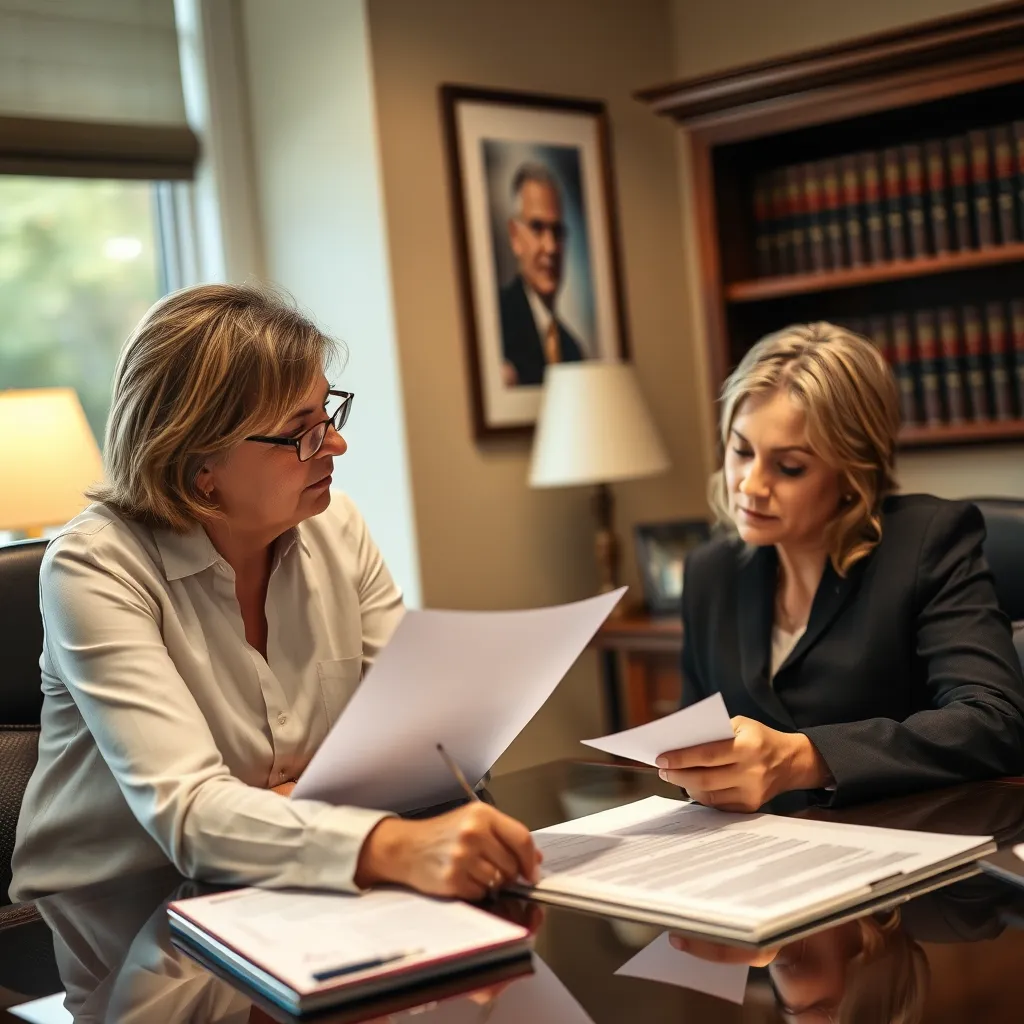
Alimony Modification Lawyer Fairfax, VA
When the financial picture that shaped your original alimony order changes—a job loss, a serious illness, a shift in the paying spouse’s income—the support arrangement that once made sense may no longer work. In Fairfax County, Virginia, courts have the authority to modify spousal support awards, but only if you can show a material change in circumstances. Mr. Sris and his Of Counsel at Law Offices Of SRIS, P.C. help clients on both sides of alimony modification petitions in Fairfax County Circuit Court, which handles all spousal support modification matters. If your circumstances have changed and you need to adjust an existing alimony order, schedule a consultation by calling (888) 437-7747. Law Offices Of SRIS, P.C. – Advocacy Without Borders.
What Alimony Modification Means in Fairfax County, Virginia
Alimony, or spousal support, is a court-ordered payment from one former spouse to the other following divorce. When the order becomes unworkable or unfair because of a significant change in either party’s financial situation, Virginia law permits the payor or the payee to ask the court to increase, decrease, or terminate the support obligation. The Fairfax County Circuit Court—located at 4110 Chain Bridge Road, Fairfax, VA 22030—has exclusive jurisdiction over spousal support modification proceedings. Virginia is an equitable distribution state, and the statutory framework that governs alimony modification is found in Va. Code § 20-107.1, which lists 13 factors the court must consider when deciding a request to modify support.
To succeed on a petition for modification, the party seeking the change must demonstrate a material change in circumstances that was not within the contemplation of the court or the parties at the time of the original order. A material change can include a substantial involuntary reduction in income, a significant increase in the payee’s earning capacity, remarriage of the recipient spouse, cohabitation in a relationship analogous to marriage under Va. Code § 20-109, or a deterioration in the paying spouse’s health that limits earning ability. The court will also weigh the statutory factors to determine what amount of support, if any, is appropriate under the new circumstances. Because the standard is fact-specific, working with an experienced attorney who understands how Fairfax County judges apply the law is essential.
How Mr. Sris and His Of Counsel Handle Alimony Modification Cases
Every alimony modification matter begins with a thorough review of the existing support order, the financial disclosures from the original divorce, and the current financial documentation from both parties. Mr. Sris and his Of Counsel identify whether the change in circumstances is substantial enough to warrant a modification and whether it meets the legal threshold. They then prepare a motion to modify support, supported by financial affidavits, pay stubs, tax returns, and any other evidence that demonstrates the change. If the parties can agree on a modification without litigation, the firm negotiates a consent order for the court’s approval, which is often the most efficient path. When an agreement cannot be reached, the matter proceeds to a hearing in Fairfax County Circuit Court, where the firm presents evidence and legal argument to support the requested modification.
The timeline for a modification depends on court scheduling and the complexity of the financial issues. Cases that are resolved by consent may be finalized in a shorter timeframe than those requiring an evidentiary hearing. Throughout the process, Mr. Sris and his Of Counsel work to protect their client’s financial interests and to present the facts in a clear, persuasive manner. They do not promise a particular outcome, but they work toward a resolution that reflects the current financial reality.
About Mr. Sris and the Firm’s Of Counsel Attorneys
Mr. Sris, Owner and Founder of Law Offices Of SRIS, P.C., founded the firm in 1997 and practices in Virginia, Maryland, the District of Columbia, New Jersey, and New York. A former prosecutor, Mr. Sris testified before the Virginia House Courts of Justice Committee in support of 2019 HB 635 (chief patron Del. David Bulova). Mr. Sris and his Of Counsel bring extensive combined legal experience to family law matters, including alimony modification. Results may vary. The firm’s Of Counsel attorneys are independent practitioners who contract directly with Law Offices Of SRIS, P.C. and who work collaboratively with Mr. Sris on cases throughout Northern Virginia. For a consultation, reach Mr. Sris and the firm’s Of Counsel attorneys at (888) 437-7747.
Frequently Asked Questions About Alimony Modification in Fairfax, VA
What is alimony modification?
Alimony modification is a court-ordered change to an existing spousal support award—either an increase, a decrease, or a termination of support—granted when a party demonstrates a material change in circumstances since the original order. Virginia law under Va. Code § 20-107.1 gives the Circuit Court authority to modify spousal support. The party requesting the change must show that the change is substantial, involuntary, and was not anticipated when the original order was entered. Common grounds include job loss, disability, remarriage of the recipient, or cohabitation analogous to marriage. A modification petition can be filed by either the payor or the payee. The court will evaluate the current financial situation of both parties and apply the statutory factors before deciding whether to modify the support amount or duration.
What counts as a material change in circumstances under Virginia law?
A material change in circumstances is a significant and unanticipated alteration in a party’s financial, health, or living situation that makes the existing alimony order unjust or unworkable. Virginia courts recognize several types of material changes: a substantial involuntary decrease in the payor’s income, a serious health condition that limits earning ability, a significant increase in the payee’s earnings, the payee’s remarriage, or the payee’s cohabitation in a relationship analogous to marriage for a period of one year or more (Va. Code § 20-109(A)). The change must not have been within the parties’ contemplation when the original support order was entered. Minor fluctuations in income typically do not meet the material-change threshold. The judge evaluates all relevant facts under the 13 statutory factors of § 20-107.1 to determine if modification is warranted.
How do I file for an alimony modification in Fairfax County?
To file for an alimony modification in Fairfax County, you initiate a motion in the Fairfax County Circuit Court, the same court that issued the original divorce decree and spousal support order, and you must serve the motion on the other party. You will need to prepare a motion to modify spousal support, along with supporting financial documents such as recent pay stubs, tax returns, and evidence of the changed circumstances. The motion is filed with the Clerk of the Circuit Court at 4110 Chain Bridge Road, Fairfax. After filing, the other spouse must be properly served. The court may set a hearing, and the parties may engage in discovery. If you and the other party agree on a modified amount, you can submit a consent order for the judge’s signature. If you disagree, the court will hold an evidentiary hearing.
Can I stop paying alimony if I lose my job?
Losing your job may be a basis to seek a reduction or suspension of alimony, but you must petition the court—you cannot unilaterally stop paying without risking contempt. Virginia law requires you to continue paying the ordered amount until the court enters a new order. If you lose your job involuntarily, that may constitute a material change in circumstances. You should file a motion to modify as soon as possible, documenting the job loss and your efforts to find new employment. The court will consider whether the loss is temporary or permanent and whether you have made a good-faith effort to regain employment. A judge may reduce the support amount, suspend it temporarily, or deny the motion if the change is not sufficiently material. For guidance on your specific situation, reach Law Offices Of SRIS, P.C. at (888) 437-7747.
What happens if the payee spouse starts cohabiting with a new partner?
Under Va. Code § 20-109(A), if the spouse receiving support has been habitually cohabiting with another person in a relationship analogous to marriage for one year or more, that creates a presumption that support should be reduced or terminated. Cohabitation must involve a mutual assumption of duties and obligations normally associated with marriage, not merely living together. Evidence may include shared finances, joint leases, and public representation as a couple. Once the payor presents evidence of cohabitation for the requisite period, the burden shifts to the payee to show why support should continue. A successful cohabitation showing can lead to a reduction or elimination of the support obligation. Each case is fact-intensive. To discuss the details of your matter, contact Law Offices Of SRIS, P.C. at (888) 437-7747.
How long does it take to modify alimony in Fairfax County?
The timeline for an alimony modification varies based on court scheduling, the complexity of the financial issues, and whether the parties agree to a consent order or require a contested hearing. If both sides agree to a modification, a consent order can be submitted and may be entered by the judge in a matter of weeks after filing. Contested matters, where the parties dispute whether a material change exists or what the new amount should be, require discovery, motions practice, and a hearing. Those cases generally take longer, depending on the court’s calendar. The Fairfax County Circuit Court manages a heavy docket, and modification cases must wait for available hearing dates. Working with experienced counsel can help streamline the process and identify opportunities for resolution without a full trial.
Do I need a lawyer for an alimony modification in Fairfax County?
You are not required to hire a lawyer to file for an alimony modification, but the process involves procedural rules and a legal standard—material change in circumstances—that can be difficult to navigate without experience. Pro se litigants must prepare and file the correct pleadings, serve the opposing party, follow discovery rules, and present admissible evidence at a hearing. Mistakes in procedure or evidence can delay or defeat a meritorious request. An experienced family law attorney can evaluate whether your change meets the legal threshold, present your financial picture persuasively, and negotiate a consent order when feasible. For a consultation, reach Mr. Sris and his Of Counsel at (888) 437-7747.
Can alimony be modified if my ex-spouse’s income increased significantly?
Yes, a significant increase in the payee spouse’s income—particularly if that increase was unanticipated—can form the basis for a motion to reduce or terminate alimony. The payor must show that the increase is substantial and that the payee’s need for support has diminished as a result. Under the § 20-107.1 factors, the court considers the parties’ current incomes, earning capacities, and financial needs. If the payee’s income now covers their reasonable expenses, the court may reduce the support obligation or end it entirely. Conversely, if the payor’s income has increased, the payee may seek an upward modification, though such increases must be linked to the payee’s demonstrated need. Each situation depends on the specific financial facts.
What is the difference between modifying alimony and terminating it?
Modification changes the amount or duration of alimony; termination ends the support obligation entirely. A court may terminate alimony outright if the grounds are sufficient—such as remarriage of the recipient, death of either party, cohabitation analogous to marriage under § 20-109(A), or if the support was set for a limited rehabilitative purpose and the recipient has become self-supporting. Modification, on the other hand, adjusts the payment upward or downward without ending it. Both actions are filed as motions to modify in Fairfax County Circuit Court. The same material-change standard applies, though the remedy sought differs. For case-specific advice, contact Law Offices Of SRIS, P.C.
Can I get retroactive alimony modification in Virginia?
Generally, Virginia courts will not retroactively modify alimony arrears, but they may make a modification effective as of the date the motion was filed, not earlier. Under Virginia law, past-due spousal support installments are vested and cannot be reduced or eliminated retroactively; only future installments are subject to modification. If you file a motion to modify today, any new support amount ordered by the court will typically take effect from the date of filing forward. It is important to file promptly when circumstances change because any delay may increase financial hardship. A limited exception exists if the parties agree to a different effective date in a consent order, but the court must approve it. Always consult an attorney before ceasing or reducing payments.
For additional information on related family law topics in Northern Virginia, explore these resources:
- Family Law Lawyer Fairfax County, VA
- Family Law Lawyer Falls Church, VA
- Family Law Lawyer Prince William County, VA
- Family Law Lawyer Manassas, VA
- Family Law Lawyer Manassas Park, VA
For a full statutory analysis of Virginia spousal support law, visit our comprehensive family law page. Primary legal authorities: Virginia Code § 20-107.1 and the Virginia Courts official website.
Attorney advertising. Prior results do not guarantee a similar outcome. Results may vary.
Case results depend on a variety of factors unique to each case.