
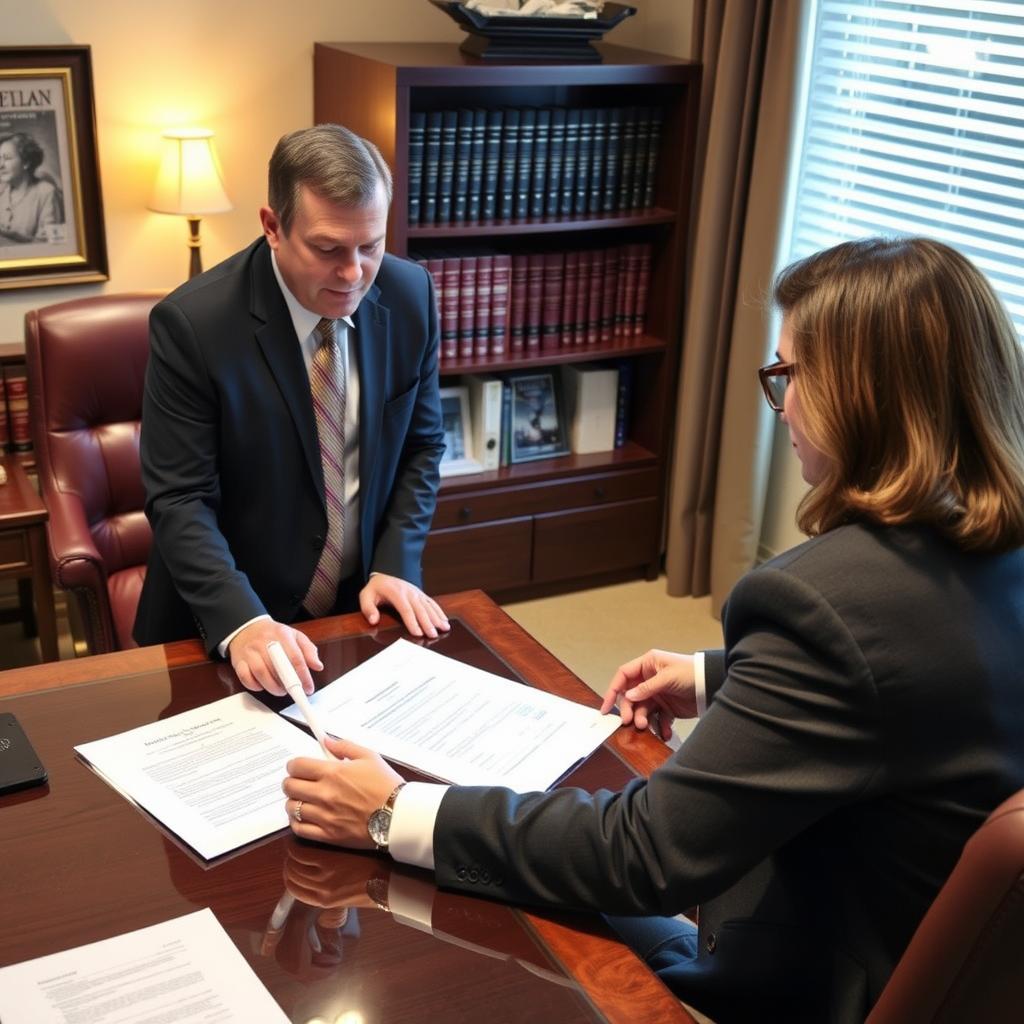
Alimony Enforcement Lawyer Arlington County, VA
You won the support order, but the payments have stopped. At the Arlington County Circuit Court, located at 1425 N. Courthouse Rd, Suite 2400, Arlington, VA 22201, alimony enforcement actions are heard. When a former spouse fails to pay court-ordered spousal support, Va. Code § 20‑107.1 provides the statutory framework for enforcing the obligation. Law Offices Of SRIS, P.C. represents individuals seeking to enforce or modify alimony awards in the Seventeenth Judicial District. Mr. Sris, Owner and Founder of the firm, and the firm’s Of Counsel attorneys bring extensive combined legal experience to these matters. The firm’s Arlington location, at 1655 Fort Myer Dr, Suite 700, Room 719, Arlington, VA 22209, is available by appointment. For a confidential consultation, call (888) 437‑7747. Law Offices Of SRIS, P.C. – Advocacy Without Borders.
What Alimony Enforcement Means in Arlington County
Alimony enforcement in Virginia means asking the court to compel a former spouse to comply with an existing spousal-support award. Under Va. Code § 20‑107.1, the Arlington County Circuit Court has jurisdiction over enforcement proceedings. The court may use a range of remedies—income deduction orders, contempt findings, judgment liens, and awards of attorney fees—to secure payment.
Practitioners appearing in the Arlington County Circuit Court will work with a court that handles divorce, equitable distribution, and spousal-support matters separately from the Juvenile and Domestic Relations District Court, which addresses standalone custody and child support. A pendente lite hearing for temporary support is typically set within 21 to 60 days of the motion. The filing fee for an enforcement petition is set by the court, and sheriff service of process is around $12. If private processes are needed, private‑process‑server costs generally range between $50 and $100. Guardian ad litem fees in custody‑related enforcement, when ordered, fall between $500 and $2,500, and mediation typically runs $100–$300 per hour per party. All figures are approximate and subject to change; contact the clerk’s office for current costs. With 115 documented case results across all practice areas in Arlington County—each resulting in a favorable outcome—the firm has substantial local experience. Results may vary. Past outcomes do not guarantee a similar result.
How Mr. Sris and the Firm’s Of Counsel Attorneys Handle Alimony Enforcement Cases
When a client seeks to enforce spousal support, the first step is a thorough review of the original divorce decree or support order, the payment history, and any correspondence between the parties. The firm’s attorneys then prepare a petition, file it with the Arlington County Circuit Court, and arrange service on the obligor. Because Virginia is an equitable-distribution state, the court examines the obligor’s ability to pay, any material change in circumstances, and the obligee’s need before issuing an enforcement order.
The firm advocates for the most effective remedy—often an income‑deduction order that directs the obligor’s employer to withhold support directly from wages. If that is insufficient, the court may hold the obligor in contempt, impose a judgment for arrears, or award attorney fees and costs. Throughout the process, Mr. Sris and the firm’s Of Counsel attorneys keep the client informed, prepare for court appearances, and negotiate where possible to bring the matter to a favorable resolution. The timeline varies by case complexity and the court’s calendar, but the firm works to move every matter forward efficiently.
About Mr. Sris and the Firm’s Of Counsel Attorneys
Mr. Sris, Owner and Founder of Law Offices Of SRIS, P.C., has practiced law since 1997. He is admitted in Virginia, Maryland, the District of Columbia, New Jersey, and New York. Mr. Sris testified before the Virginia House Courts of Justice Committee in support of 2019 HB 635 (chief patron Del. David Bulova).
The firm’s Of Counsel attorneys are independent practitioners who collaborate with Mr. Sris on client matters. Together they bring extensive combined legal experience to family‑law proceedings, including alimony enforcement. The firm has zero direct employees; every non‑Sris attorney is Of Counsel. Clients benefit from focused attention and multi‑state resources.
Frequently Asked Questions
What should I do if my ex‑spouse stops paying court‑ordered alimony in Virginia?
Gather all proof of missed payments and your original support order, and consult a family‑law attorney experienced in enforcement actions. Prompt action is important because arrears can accumulate quickly. In Arlington County, you may file a petition for enforcement in the Circuit Court. The court can order income withholding, impose a judgment, or find the obligor in contempt. An attorney can help you determine the strongest approach based on the specifics of your case.
How do I file for alimony enforcement in Arlington County?
File a petition for enforcement in the Arlington County Circuit Court, paying the applicable filing fee, and arrange for service on the obligor. The petition must reference the existing support order and detail the missed payments. Service can be accomplished through the sheriff’s office—costing around $12—or a private process server if needed. Once served, the obligor has an opportunity to respond before a hearing is scheduled. Having an attorney prepare and file the petition helps ensure that all procedural requirements are met.
What remedies are available for alimony enforcement under Va. Code § 20‑107.1?
The court may order income deduction, impose a judgment for arrears, hold the obligor in contempt, and award attorney fees and costs. Income‑deduction orders direct the obligor’s employer to withhold support from wages. Contempt findings can lead to fines or, in extreme cases, jail time until payment is made. The court may also enter a judgment that accrues interest until the arrearage is satisfied. Each remedy has different procedural requirements, and the trusted option depends on the obligor’s employment status and ability to pay.
Can alimony be collected through wage garnishment in Virginia?
Yes, Virginia law permits an income‑deduction order to enforce spousal support, essentially garnishing the obligor’s wages. The order is served on the employer, who must withhold the specified amount from each paycheck and forward it to the obligee. If the obligor changes jobs, a new order must typically be served. Income deduction is often the most reliable enforcement mechanism because it requires only minimal cooperation from the obligor.
How long does an alimony enforcement case typically take in Arlington County?
Enforcement timelines vary widely; a pendente lite support hearing may be set within 21 to 60 days of the motion, while contested enforcement can take several months. The court’s calendar, the obligor’s response, and the complexity of the financial issues all affect the schedule. Uncontested motions where both parties stipulate to the arrearage may resolve more quickly. An attorney can give you a better sense of the likely timeframe after reviewing your specific situation.
Do I need an attorney to enforce an alimony order in Virginia?
You are not legally required to have an attorney, but experienced legal guidance helps you avoid procedural missteps and pursue the most effective remedy. Enforcement actions involve detailed filings, strict service rules, and evidentiary hearings. A lawyer familiar with Arlington County courts can draft the petition, negotiate with the obligor or their counsel, and present your case persuasively. For a consultation, reach Law Offices Of SRIS, P.C. at (888) 437‑7747.
Nearby counties served: Fairfax County Family Law · Prince William County Family Law · Stafford County Family Law · Fauquier County Family Law · Loudoun County Family Law
Primary authority: Va. Code § 20‑107.1 · Arlington County Circuit Court
Attorney advertising. Prior results do not guarantee a similar outcome. Results may vary.
Case results depend on a variety of factors unique to each case.