
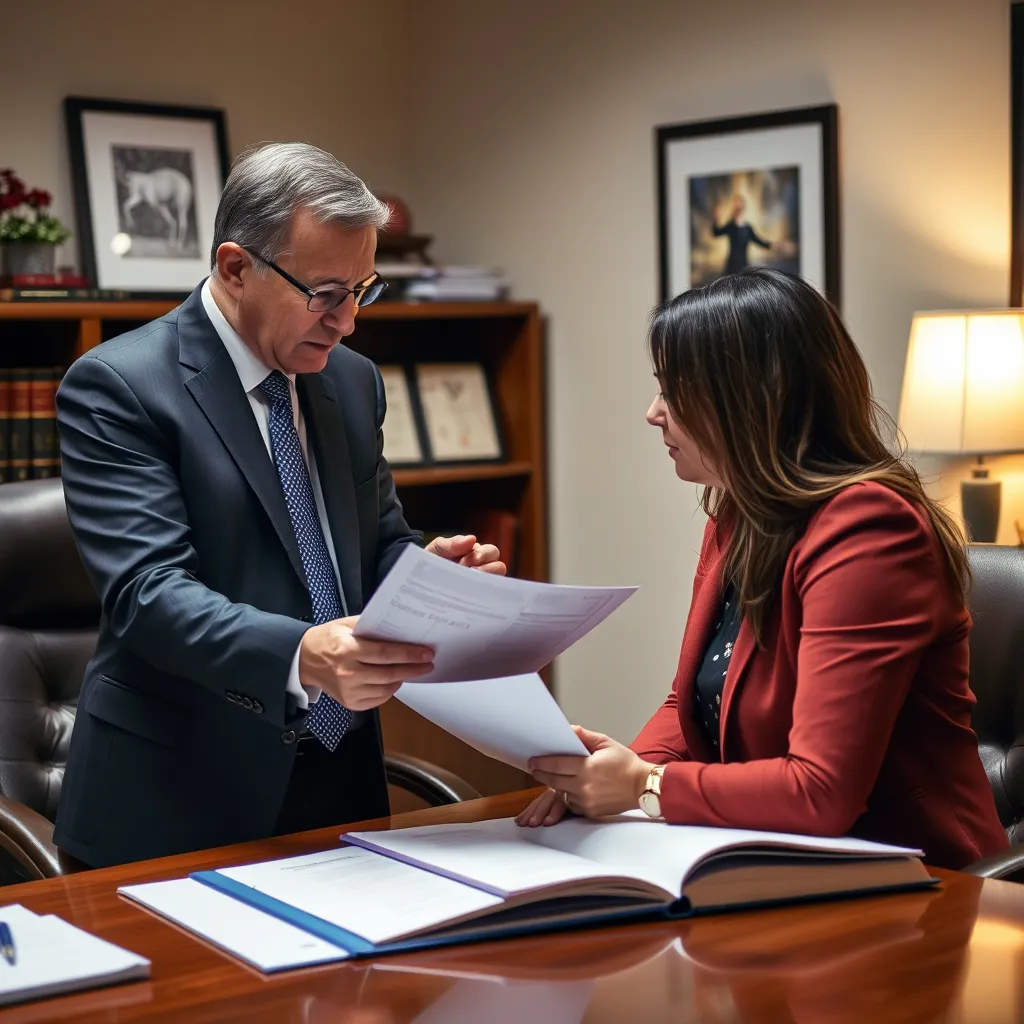
Legal Custody Lawyer Falls Church, VA
Legal custody determines which parent has the authority to make major decisions about a child’s upbringing—decisions about education, health care, and religious instruction. If you are a parent in Falls Church, Virginia, who needs guidance on legal-custody arrangements, Law Offices Of SRIS, P.C. represents parents in custody matters across the Commonwealth. The firm’s attorneys assist parents seeking sole legal custody, joint legal custody, or modification of an existing custody order. Proceedings are heard at the Falls Church Juvenile and Domestic Relations District Court or, when part of a divorce, at the Falls Church Circuit Court, both located at 300 Park Avenue, Suite 151W, Falls Church, VA 22046. Mr. Sris and his Of Counsel team work to build a record that demonstrates each parent’s involvement in the child’s life and their willingness to support the child’s relationship with the other parent, consistent with the trusted‑interests factors in Va. Code § 20‑124.3. For a consultation, reach the firm at (888) 437‑7747. Law Offices Of SRIS, P.C. – Advocacy Without Borders.
What Legal Custody Means in Falls Church, Virginia
Legal custody is not about where a child sleeps on a given night—that is physical custody. Legal custody is the right to make or participate in life‑shaping decisions. A parent with sole legal custody has the final say on schooling, medical treatment, and religious practice. Joint legal custody, by far the more common arrangement, obligates parents to consult one another and attempt to reach agreement, though one parent may retain tie‑breaking authority in certain categories.
Virginia courts, including those serving Falls Church, begin with the presumption that joint legal custody is in the child’s best interests unless clear evidence shows that cooperation is impossible or that one parent’s involvement would endanger the child. The court must weigh ten statutory factors under Va. Code § 20‑124.3: each parent’s physical and mental condition, the relationship between the child and each parent, the child’s needs and ties to siblings and community, each parent’s willingness to support the other’s relationship with the child, and other considerations. The judge’s task is to craft an order that promotes the child’s stability and well‑being. No single factor controls; the decision is a holistic assessment.
How Legal Custody Cases Are Handled in Falls Church
Legal‑custody petitions that are not part of a divorce originate in the Falls Church Juvenile and Domestic Relations District Court. When custody is contested in a divorce proceeding, the matter travels with the divorce to the Falls Church Circuit Court. Both courts sit in the Seventeenth Judicial District, sharing the courthouse at 300 Park Avenue. An initial hearing may address temporary custody, child support, and visitation while the case progresses. The court may appoint a Guardian ad Litem to represent the child’s interests, a common practice when the parents’ accounts differ sharply or when allegations of abuse or neglect arise.
Mediation is available but not mandatory in Virginia. Many Falls Church parents use mediation to narrow the issues before a hearing. If the parents can agree, a written stipulation or a parenting plan may be presented to the court, which will approve it if it serves the child’s best interests. When agreement cannot be reached, the judge hears testimony, reviews documents, and issues a ruling. Mr. Sris and his Of Counsel prepare parents for each stage, gathering school records, communication logs, and other evidence that helps the court understand the child’s circumstances.
How Mr. Sris and His Of Counsel Handle Legal Custody Cases
Mr. Sris, Owner and Founder of Law Offices Of SRIS, P.C., has handled family‑law matters since the firm opened its doors in 1997. He works with a team of Of Counsel attorneys, each bringing extensive courtroom experience to custody disputes. The approach begins with a detailed consultation to understand the family’s dynamics, the child’s educational and medical needs, and the parents’ history of cooperation. From the first filing, the team focuses on presenting a clear, fact‑driven account of why the proposed custody arrangement serves the child’s welfare.
In contested cases, the firm challenges allegations that lack evidentiary support and presents testimony from teachers, counselors, and other professionals who know the child. When negotiation is possible, the firm drafts parenting plans that specify decision‑making authority, communication protocols, and dispute‑resolution procedures. Throughout the process, Mr. Sris and his Of Counsel keep parents informed of the procedural steps and court‑specific practices that affect Falls Church custody hearings.
About Mr. Sris and His Of Counsel Team
Mr. Sris is a former prosecutor who founded Law Offices Of SRIS, P.C. in 1997. Admitted in Virginia, Maryland, the District of Columbia, New Jersey, and New York, he brings a multi‑state perspective to the firm’s family‑law practice. Mr. Sris testified before the Virginia House Courts of Justice Committee in support of 2019 HB 635 (chief patron Del. David Bulova).
The firm’s Of Counsel attorneys hold bar admissions in Virginia and neighboring jurisdictions. The team includes litigators who have appeared in Falls Church courts and who understand the expectations of the Seventeenth Judicial District bench. Together, Mr. Sris and his Of Counsel bring extensive combined legal experience to custody cases, working to protect parents’ decision‑making rights while keeping the child’s welfare at the center of every strategy. The firm has documented case results in Falls Church. Results may vary.
Frequently Asked Questions
How is child custody decided in Falls Church, Virginia?
Virginia courts decide custody based on the best interests of the child, applying ten factors listed in Va. Code § 20‑124.3. Those factors include the child’s age, health, relationship with each parent, the role each parent plays in the child’s life, and any history of family abuse. Falls Church Juvenile and Domestic Relations District Court handles standalone custody petitions; the Falls Church Circuit Court addresses custody within a divorce case. The judge may also consider the child’s preference if the child is of sufficient age and maturity.
What is the difference between legal custody and physical custody?
Legal custody is the right to make major decisions about the child’s upbringing; physical custody determines where the child resides and the day‑to‑day care schedule. A parent may have joint legal custody while the other parent has primary physical custody, or both arrangements may be shared. The order should clearly state which parent holds legal‑custody authority and how decisions are to be made.
Can a legal custody order be modified?
Yes, a parent may petition to modify legal custody when there has been a material change in circumstances and the modification serves the child’s best interests. Examples include a parent’s relocation, a significant change in the child’s needs, or persistent failure to cooperate. A parent seeking modification files a motion with the court that issued the original order. The standard is demanding; the moving party must show that the change is necessary, not merely convenient.
Does a parent with sole legal custody have more rights?
Sole legal custody gives one parent the exclusive right to make major decisions without consulting the other parent. The other parent generally retains the right to access school and medical records, and may still have visitation or physical‑custody time, but has no decision‑making authority. Courts award sole legal custody cautiously and only when joint decision‑making would be harmful to the child.
How does relocation affect legal custody in Falls Church?
A parent’s proposed relocation can trigger a custody review because it may materially affect the child’s relationship with the other parent and the feasibility of joint decision‑making. Virginia law requires a parent subject to a custody or visitation order to give thirty days’ advance written notice of an intended relocation or change of address. The court then evaluates whether the move is in the child’s best interests and whether the existing legal‑custody arrangement remains workable.
Do I need a lawyer for a legal custody case in Falls Church?
You are not legally required to have a lawyer, but legal custody disputes involve complex rules of evidence and procedure that make professional representation advisable. An experienced family‑law attorney can help you present the facts the court needs to assess the trusted‑interests factors, respond to motions, and negotiate a parenting plan that protects your decision‑making role. For a consultation, reach Law Offices Of SRIS, P.C. at (888) 437‑7747.
Related family‑law services: Fairfax County family law lawyer | Fairfax City family law attorney | Prince William County family law lawyer
External resources: Virginia Code Title 20 (Domestic Relations) | Falls Church Circuit Court
Attorney advertising. Prior results do not guarantee a similar outcome. Case results depend on a variety of factors unique to each case. Results may vary.