
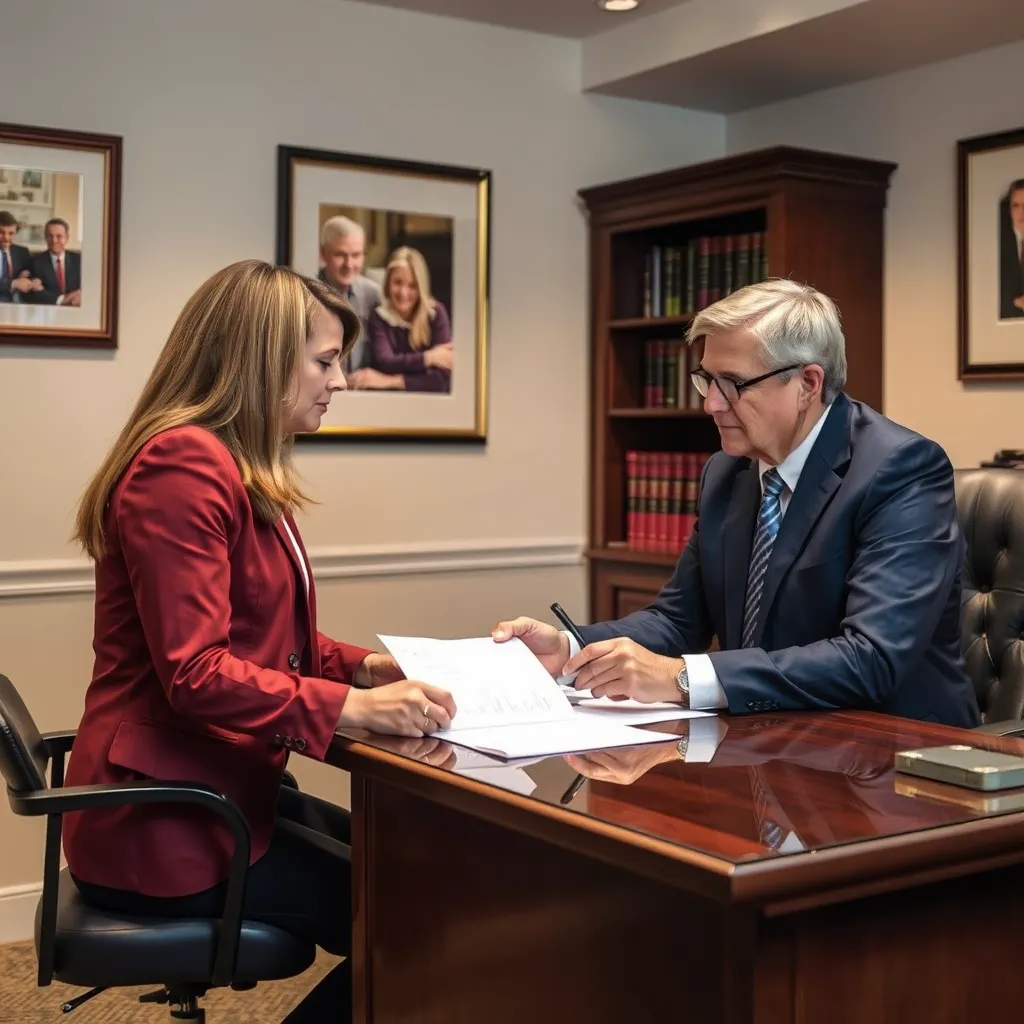
Adoption Lawyer Fairfax, VA
Adoption creates a permanent legal parent-child relationship, and the process in Fairfax, Virginia, involves filing a petition in the Fairfax County Circuit Court or the Fairfax County Juvenile and Domestic Relations District Court, depending on the type of adoption. A stepparent, relative, or an agency‑assisted adoption each follows a distinct procedural path under Va. Code § 63.2‑1200 et seq. Mr. Sris, Owner and Founder of Law Offices Of SRIS, P.C., and the firm’s Of Counsel attorneys represent prospective adoptive parents, birth parents considering consent, and relatives seeking to formalize a kinship placement throughout Fairfax County and the City of Fairfax. To discuss a potential adoption matter, call (888) 437‑7747. Law Offices Of SRIS, P.C. – Advocacy Without Borders.
What Adoption Means in Fairfax, Virginia
Adoption in Fairfax County and the City of Fairfax is governed by Title 63.2 of the Virginia Code, which sets out the requirements for consent, home studies, and the termination of parental rights. Because adoption is a statutory proceeding, the Virginia courts apply the code strictly to protect the interests of the child. Petitions are filed in the Fairfax County Juvenile and Domestic Relations District Court when the adoption involves a child who is already under the court’s custody or supervision, and in the Fairfax County Circuit Court for private, stepparent, or agency adoptions where jurisdiction is properly laid. The Fairfax County Circuit Court, located at 4110 Chain Bridge Road, Suite 210, Fairfax, handles the bulk of adoption finalization hearings in the county.
Virginia is an equitable‑distribution state in family law, but adoption is not a property matter; instead, it restructures legal parenthood. The Fairfax courts apply a “best interests of the child” standard when reviewing an adoption petition, considering factors such as the child’s relationship with the adoptive parent, the fitness of the adoptive home, and whether the required consents have been freely given. A home study is generally required unless the adoption is by a stepparent or a close relative. Because the Fairfax County courts serve a large and diverse population, the court calendar can be active, and having an experienced adoption lawyer who regularly appears in the Fairfax courts helps ensure that filings comply with local procedural expectations.
How Mr. Sris and the Firm’s Of Counsel Attorneys Handle Adoption Cases
Mr. Sris and Of Counsel to Law Offices Of SRIS, P.C. take a structured approach to each adoption. The process begins with an initial consultation to determine which type of adoption applies—stepparent, relative, agency, or adult adoption—and to identify any potential obstacles, such as an absent biological parent whose consent must be obtained or terminated. The firm’s Of Counsel attorneys then prepare the petition for adoption and all supporting documents, including the consent forms or affidavits of diligent search if a parent cannot be located. In Fairfax County, the adoption paperwork must be filed with the Circuit Court’s civil intake division, and the court will set a finalization hearing once all statutory requirements are met.
The hearing itself is typically a brief proceeding in which the judge reviews the file and, if everything is in order, enters a final order of adoption. Mr. Sris and the firm’s Of Counsel attorneys have appeared in the Fairfax County courts for many years and understand the procedural nuances that can delay a case—such as incomplete service on an out‑of‑state parent or a home study that requires updating. Their role is to present the matter so the court can move efficiently to a final decree, while making sure that the adoptive parents understand each step. Throughout, they remain available to answer questions about post‑adoption matters, including the issuance of a new birth certificate.
About Mr. Sris and the Firm’s Of Counsel Attorneys
Mr. Sris, Owner and Founder of Law Offices Of SRIS, P.C., founded the firm in 1997. A former prosecutor, he is admitted to practice in Virginia, Maryland, the District of Columbia, New Jersey, and New York. Mr. Sris testified before the Virginia House Courts of Justice Committee in support of 2019 HB 635 (chief patron Del. David Bulova). The firm’s adoption work draws on his decades of family law practice.
The firm’s Of Counsel attorneys bring additional family law and litigation experience. Collectively, Mr. Sris and the firm’s Of Counsel attorneys have represented clients in Fairfax County Circuit Court, the Fairfax County Juvenile and Domestic Relations District Court, and courts throughout the Commonwealth. Their focus is on guiding families through the adoption process with clear, procedural advice. For a consultation, call (888) 437‑7747.
Frequently Asked Questions
What are the basic requirements to adopt a child in Fairfax, Virginia?
To adopt a child in Virginia, the petitioner must be at least 18 years old, meet residency requirements, and complete a home study unless the adoption is by a stepparent or a close relative. Under Va. Code § 63.2‑1200 et seq., the biological parents must consent or their parental rights must be terminated. The Fairfax County Circuit Court reviews whether the adoption serves the child’s best interests.
Do I need a lawyer for a stepparent adoption in Fairfax?
While Virginia law does not require a lawyer for a stepparent adoption, legal assistance is strongly recommended because the process involves terminating one biological parent’s rights and correctly handling consent or notice. If the other biological parent contests the adoption, the court will hold a hearing where legal arguments matter. Mr. Sris and the firm’s Of Counsel attorneys handle stepparent adoptions in Fairfax County and the City of Fairfax.
How long does an adoption take in Fairfax County?
The timeline for an adoption in Fairfax County varies depending on the type of adoption, the responsiveness of the parties, and the court’s calendar. A straightforward stepparent adoption with all consents signed may be finalized within a few months after filing. An agency adoption with a home study and post‑placement supervision generally takes longer. The court sets the finalization hearing once it determines the file is complete.
What is the role of the home study in a Fairfax adoption?
A home study is a written report prepared by a licensed child‑placing agency or a social worker that evaluates the adoptive home’s safety, stability, and suitability. Virginia law requires a home study for most adoptions, with exceptions for stepparent and close‑relative adoptions. The study includes interviews, home visits, and background checks and must be filed with the Fairfax County Circuit Court before finalization.
Can I adopt an adult in Virginia?
Yes, Virginia law permits adult adoption under Va. Code § 63.2‑1243, which allows one adult to adopt another adult for purposes such as inheritance or formalizing a long‑standing parent‑child relationship. The process is less involved than a child adoption—no home study is required, and the court focuses on consent and whether the adoption is in the best interests of the parties. Petitions are filed in the Fairfax County Circuit Court.
Where does an adoption case get filed in Fairfax?
Adoption petitions are filed in the Fairfax County Circuit Court, except in cases where the Fairfax County Juvenile and Domestic Relations District Court already has jurisdiction over the child. The Circuit Court is located at 4110 Chain Bridge Road, Suite 210, Fairfax, VA 22030. Mr. Sris and the firm’s Of Counsel attorneys appear in both courts for adoption matters.
To discuss a specific adoption situation in Fairfax, reach Law Offices Of SRIS, P.C. at (888) 437‑7747.
Related Family Law Services in Northern Virginia
Family Law Lawyer Fairfax County •
Family Law Lawyer Falls Church •
Family Law Lawyer Prince William County •
Family Law Lawyer Manassas •
Family Law Lawyer Manassas Park
Virginia Adoption Resources
Virginia Code Title 63.2 (Adoption and Foster Care) •
Fairfax County Circuit Court •
Virginia Department of Social Services Adoption
Attorney advertising. Prior results do not guarantee a similar outcome. Results may vary.
Case results depend on a variety of factors unique to each case.