
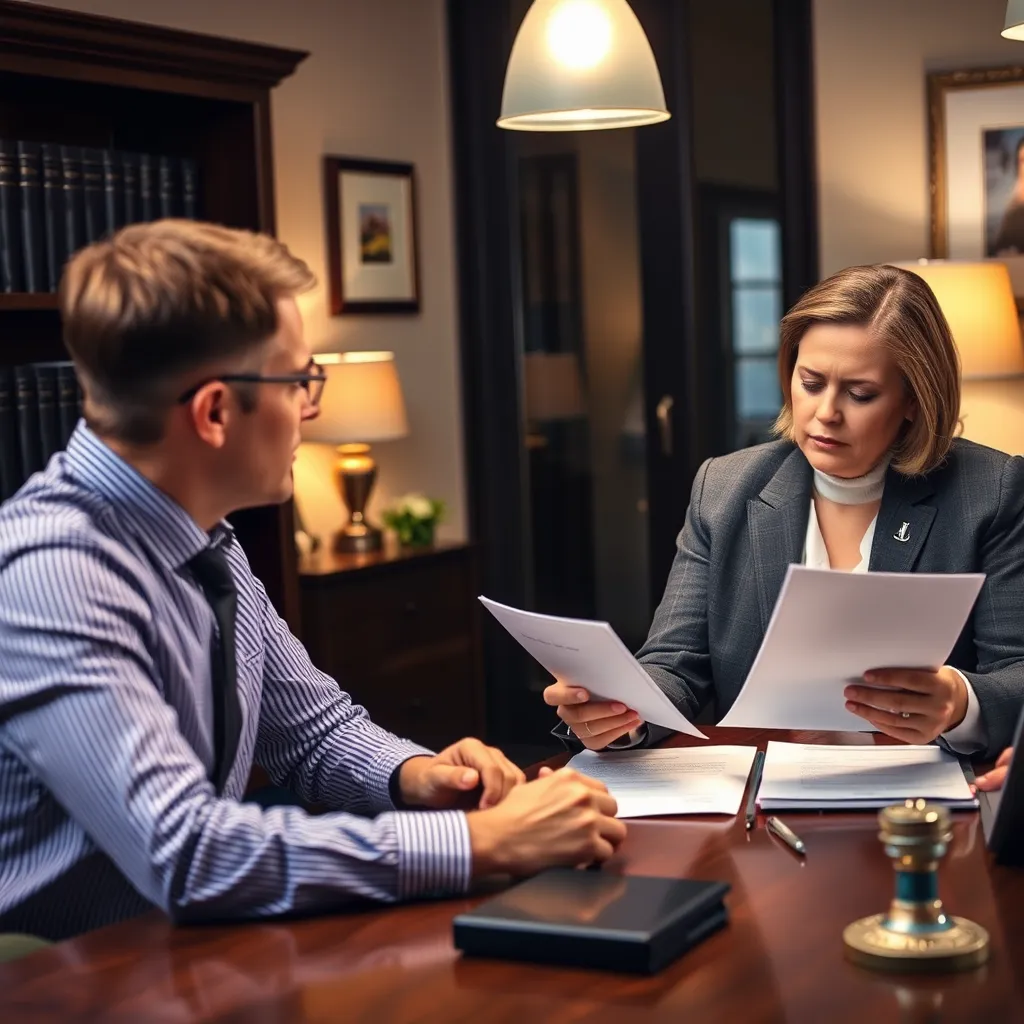
Adultery Divorce Lawyer Falls Church, VA
In Falls Church, Virginia, the decision to end a marriage can involve difficult circumstances, particularly when one spouse’s extramarital conduct is at issue. Adultery—voluntary sexual intercourse by a married person with someone other than the spouse—is recognized as a fault ground for divorce under Va. Code § 20-91(1). When proven, adultery eliminates the waiting periods required for no-fault divorce and can reshape the court’s decisions on property division, spousal support, and even custody. Individuals who find themselves in this position—whether they are the party alleging adultery or the party facing that allegation—need clear guidance about what the process involves in the Falls Church Circuit Court and Juvenile and Domestic Relations District Court. Law Offices Of SRIS, P.C. represents clients throughout the City of Falls Church in adultery divorce matters. Mr. Sris and his Of Counsel team understand the local court procedures and work to protect the interests of those navigating this emotionally charged area of family law. Reach our firm at (888) 437-7747 to schedule a consultation.
What Adultery Divorce Means in Falls Church
Virginia is among the minority of states that still allow divorce on fault grounds, and adultery is one of the most consequential. Unlike no-fault divorce—which requires either a six‑month separation with a signed agreement and no minor children, or a one‑year separation—a divorce granted on the ground of adultery carries no mandatory separation period. The innocent spouse can file immediately upon learning of the conduct, provided the jurisdictional requirements are met. In Falls Church, the Circuit Court has exclusive original jurisdiction over divorce under Va. Code § 20-96, while the Juvenile and Domestic Relations District Court may handle related matters such as custody, visitation, and child support. A divorce case based on adultery is filed as a Complaint in the Falls Church Circuit Court, located in the Seventeenth Judicial District. Once the Complaint is filed and served, the court will schedule a hearing. Because adultery is a fault ground, the party alleging it must present evidence that meets the civil standard of proof—clear and convincing evidence, a higher bar than the preponderance-of-the-evidence standard used in most civil cases. The court may consider direct evidence, such as witness testimony or photographs, or circumstantial evidence that shows both opportunity and inclination. The firm’s lawyers are familiar with the evidentiary demands of the Falls Church courts and help clients understand what is required before they commit to a fault‑based filing.
Adultery also has far‑reaching effects on the financial and parenting aspects of a Falls Church divorce. Under Virginia’s equitable distribution statute, Va. Code § 20‑107.3, the court may consider the circumstances that contributed to the dissolution of the marriage—including adultery—when dividing marital property. While equitable distribution does not require a 50‑50 split, an adulterous spouse’s conduct can weigh against them, potentially reducing their share of the marital estate. Spousal support is similarly affected; Va. Code § 20‑107.1 provides that a spouse who is found to have committed adultery is barred from receiving spousal support unless the court finds a manifest injustice in denying it. Child custody determinations focus on the best interests of the child under Va. Code § 20‑124.3, and while adultery alone does not automatically impair a parent’s custody claim, any impact the extramarital conduct has on the child’s welfare or the parent‑child relationship will be evaluated. Falls Church judges approach each case individually, considering all ten statutory factors. Understanding how adultery may influence these interrelated issues is critical to making informed decisions, and a lawyer who regularly handles adultery divorce cases in this jurisdiction can help clients anticipate the likely outcomes.
How Mr. Sris and His Of Counsel Handle Adultery Divorce Cases
Adultery divorce litigation in Falls Church requires both a compassionate approach and a rigorous attention to procedure. Mr. Sris and his Of Counsel team begin by listening carefully to the client’s circumstances—whether the client is bringing an adultery‑based claim, is being accused of adultery, or is evaluating whether the ground should be raised at all. Because the evidentiary standard is demanding, the team helps clients gather and preserve relevant information while guarding against actions that could inflame the situation or compromise a future settlement. In many instances, a divorce that begins with adultery allegations can be resolved through a negotiated separation agreement that addresses property, support, and custody without a contested trial. If negotiation fails, the firm is prepared to present the case in the Falls Church Circuit Court, marshaling testimony, documents, and, when appropriate, private investigators’ reports to meet the clear‑and‑convincing standard. The firm’s Of Counsel attorneys also represent clients in Falls Church’s Juvenile and Domestic Relations District Court when temporary custody or support orders are needed while the divorce is pending.
Handling adultery allegations also requires sensitivity to the emotional toll on families. Mr. Sris and his Of Counsel work to protect clients’ privacy and keep the proceedings as low‑conflict as possible, consistent with the client’s objectives. The team stays informed about developments in Virginia family law, including any procedural changes at the Falls Church Circuit Court, and uses that knowledge to advise clients on realistic timelines and potential outcomes. Throughout the process, the client remains the decision‑maker, with the attorney providing the legal analysis needed to weigh the risks and benefits of each path forward. Mr. Sris and his Of Counsel bring extensive combined legal experience to adultery divorce matters in Falls Church. Results may vary. in any individual case.
About Mr. Sris and His Of Counsel Team
Mr. Sris is the Owner and Founder of Law Offices Of SRIS, P.C. A former prosecutor, he established the firm in 1997 and has directed its growth across five jurisdictions. Mr. Sris testified before the Virginia House Courts of Justice Committee in support of 2019 HB 635 (chief patron Del. David Bulova), legislation that revised the equitable distribution provisions of Va. Code § 20‑107.3. His deep familiarity with Virginia domestic‑relations statutes—including the fault‑ground framework under Va. Code § 20‑91—informs the firm’s work on adultery divorce cases. Mr. Sris is admitted in Virginia, Maryland, the District of Columbia, New Jersey, and New York, and he maintains a personal caseload that allows him to be directly involved in the strategic direction of each matter the firm accepts.
The Of Counsel attorneys who work alongside Mr. Sris are experienced in family law litigation and are familiar with the practices of the Falls Church courts. They assist with case preparation, legal research, and negotiation, contributing to a collaborative practice that gives clients the benefit of multiple perspectives. When a client chooses Law Offices Of SRIS, P.C., they are engaging a team with a track record of handling complex divorce matters—including those involving fault grounds such as adultery—and a commitment to providing clear, honest assessments of what the law permits. The firm serves clients at its Fairfax location, and Mr. Sris and his Of Counsel regularly appear in the Falls Church Circuit Court and the Falls Church Juvenile and Domestic Relations District Court.
Frequently Asked Questions
What is an adultery divorce in Virginia?
An adultery divorce is a fault‑based divorce in which the ground for ending the marriage is the spouse’s voluntary sexual intercourse with someone other than the petitioner. Under Va. Code § 20‑91(1), a court may grant a divorce from the bond of matrimony on this ground without requiring a period of separation. The spouse who files on this ground must present clear and convincing evidence of the adultery. If proven, the court’s findings can affect property distribution and spousal support. A spouse found to have committed adultery is generally barred from receiving spousal support unless denying support would work a manifest injustice.
How does adultery affect property division in Falls Church?
Under Virginia’s equitable distribution statute, the court may consider adultery when deciding how to divide marital property. Va. Code § 20‑107.3(E) lists 11 factors the court weighs, and one factor is the circumstances that contributed to the dissolution of the marriage. Adultery that caused the breakup of the marriage can be a negative factor, potentially reducing the adulterous spouse’s share of the marital assets. The Falls Church Circuit Court has broad discretion; there is no automatic penalty. The outcome depends on the specific facts of each case and the weight the judge assigns to the conduct.
Can adultery affect child custody in Falls Church?
Adultery alone does not automatically change a custody arrangement; the court decides custody based on the best interests of the child under Va. Code § 20‑124.3. The court considers ten factors, including the parent‑child relationship and each parent’s ability to meet the child’s needs. If the adulterous conduct directly harmed the child—for example, by exposing the child to an unsafe situation—that could affect the custody determination. Otherwise, a parent’s extramarital relationship, by itself, is unlikely to be the primary factor in a Falls Church custody decision. The Juvenile and Domestic Relations District Court may address temporary custody while the divorce is pending.
What evidence is needed to prove adultery in a Falls Church divorce?
Adultery must be proven by clear and convincing evidence; the court will not rely on mere suspicion. Evidence can be direct, such as witness testimony or admissions, but more often it is circumstantial—showing both an adulterous disposition and an opportunity to commit the act. Photographs, hotel records, text messages, and testimony from a private investigator are common forms of proof. The Falls Church Circuit Court evaluates all evidence presented and decides whether it meets the heightened evidentiary standard. Because the proof required is demanding, an attorney can help a client assess what evidence is available and whether it is likely to be sufficient.
Do I need a lawyer for an adultery‑based divorce in Falls Church?
While you are not legally required to have a lawyer to file for divorce, adultery cases involve complex legal and evidentiary issues that make experienced representation extremely valuable. The higher burden of proof, the impact on property and support, and the potential for intense conflict all counsel in favor of working with a family law attorney. A lawyer can help you determine whether alleging adultery is appropriate for your case, assemble admissible evidence, and present your position effectively in the Falls Church Circuit Court. For a consultation, reach Mr. Sris and his Of Counsel at (888) 437‑7747.
How do I start an adultery divorce case in Falls Church?
The process begins by filing a Complaint for divorce in the Falls Church Circuit Court, which has exclusive jurisdiction over divorce in Virginia. After the Complaint is filed and served on the other spouse, the court will set a hearing or trial date. Before the final hearing, the parties may exchange information through discovery, attend mediation, or negotiate a settlement. If the case cannot be resolved, the court conducts an ore tenus hearing at which evidence is presented. Because the timeline varies by case complexity and court scheduling, it is important to contact a lawyer early. To discuss the details of your matter, contact Law Offices Of SRIS, P.C. at (888) 437‑7747.
Related family law pages: Family Law Lawyer Fairfax County | Family Law Lawyer Fairfax City | Family Law Lawyer Prince William County | Family Law Lawyer Manassas City | Family Law Lawyer Manassas Park
Virginia Code Title 20 | Virginia Courts
Attorney advertising. Prior results do not guarantee a similar outcome. Results may vary.
Case results depend on a variety of factors unique to each case.