
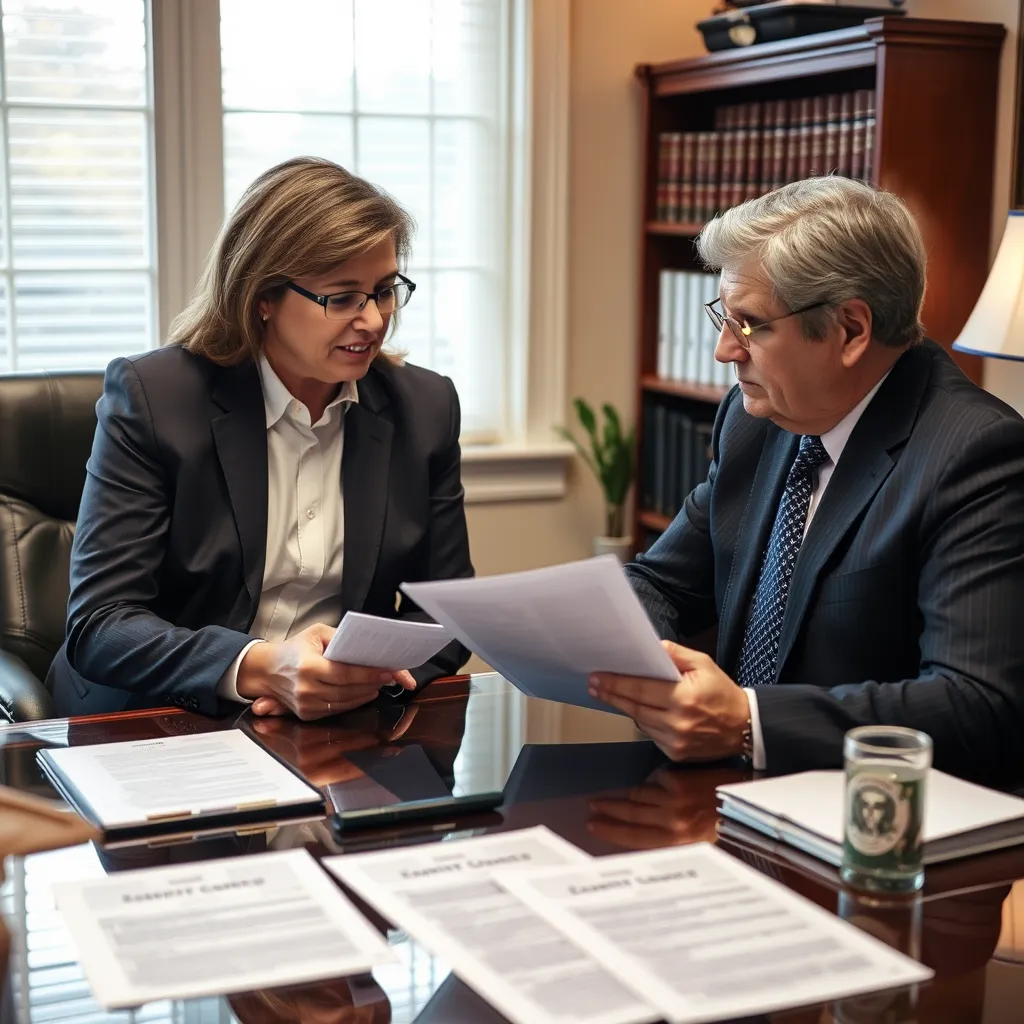
Note: This article is confirmed by Law Offices Of SRIS, P.C.
WRITTEN BY: Mr. Sris
Since 1997, Mr. Sris has led the firm, focusing on the most challenging criminal and family law cases… His background in accounting and information management aids in financial and technology-related cases… Involved in significant legislative changes in Virginia.
Insight: My focus since founding the firm in 1997 has always been directed towards personally handling the most challenging and involved criminal and family law matters our clients face.
Insight: I find my background in accounting and information management provides a unique advantage when handling the intricate financial and technological aspects inherent in many modern legal cases.
Insight: As someone deeply involved in the community, I believe it’s important to not only practice law but also to actively participate in shaping it, which is why I dedicated effort towards amending Virginia Code § 20-107.3 and achieving state recognition for cultural milestones.
Temporary Guardianship Lawyer Ashburn VA
What is Temporary Guardianship
Temporary guardianship establishes a legal relationship where an adult assumes responsibility for a minor’s care, education, and medical decisions for a defined period. Virginia law recognizes these arrangements when parents face circumstances preventing them from fulfilling parental duties. Common situations include military deployment, medical treatment, educational opportunities, or family emergencies requiring parents to be away from home.
The process involves preparing legal documents that specify the guardian’s authority and limitations. These documents typically outline decision-making powers regarding medical care, education, and daily welfare. Virginia courts may require formal petitions for longer-term arrangements or when specific legal protections are necessary. Documentation helps prevent misunderstandings about authority during the guardianship period.
Legal protections exist for both the temporary guardian and the child. The arrangement clarifies who can authorize medical treatment, enroll the child in school, and make other important decisions. Proper documentation also helps institutions recognize the guardian’s authority when interacting with schools, medical facilities, or government agencies. This prevents delays in care or education during the guardianship period.
Understanding Virginia’s legal requirements helps families establish appropriate arrangements. Different circumstances may require different approaches, from simple notarized documents to court-approved orders. The specific needs of each family situation determine the best approach to establishing temporary care arrangements that protect everyone’s interests.
Straight Talk: Temporary arrangements have limits – they’re not permanent solutions and require clear documentation to avoid confusion about authority.
How to Establish Short Term Guardianship
The first step involves determining the need for guardianship and identifying suitable individuals to assume responsibility. Families should consider the guardian’s relationship to the child, availability, and willingness to accept the responsibility. Discussions should cover expectations about care, decision-making authority, and the arrangement’s duration. Clear communication helps prevent misunderstandings during the guardianship period.
Document preparation follows initial discussions. Virginia recognizes various documents for temporary guardianship, including notarized authorization forms and court orders. The appropriate documentation depends on the arrangement’s duration and scope. Shorter periods may require simpler documents, while longer arrangements or those involving significant decisions may need court approval. Documents should specify medical consent authority, educational decisions, and other relevant powers.
Legal formalization comes next. For arrangements requiring court involvement, petitions must be filed with the appropriate Virginia court. The process includes submitting required forms, supporting documentation, and potentially attending hearings. Courts consider the child’s best interests when reviewing guardianship requests. Parents typically retain certain rights unless specifically limited by court order.
Implementation involves sharing documentation with relevant institutions. Schools, medical providers, and other organizations should receive copies of guardianship documents to recognize the guardian’s authority. This ensures smooth transitions and prevents administrative delays. Guardians should understand their responsibilities and limitations as outlined in the legal documents.
Reality Check: Paperwork matters – incomplete documents can create problems when schools or doctors need to verify authority for decisions.
Can I Arrange Interim Guardianship
Interim guardianship serves as a temporary solution when parents face sudden circumstances preventing child care. Virginia law provides mechanisms for establishing these arrangements quickly when necessary. Common situations include medical emergencies, unexpected travel requirements, or family crises requiring immediate attention. The legal framework allows for responsive solutions while protecting children’s welfare.
Emergency situations may require expedited procedures. Virginia courts can address urgent guardianship requests when immediate action is necessary. Documentation for emergency arrangements typically includes information about the situation requiring guardianship, identification of suitable guardians, and proposed duration. Courts prioritize child safety and welfare when reviewing emergency requests.
Legal requirements vary based on circumstances. Some situations may allow for notarized documents without immediate court involvement, while others require formal petitions. The specific approach depends on the arrangement’s expected duration and the decisions the guardian will need to make. Medical consent authority often requires specific documentation recognized by healthcare providers.
Parental rights considerations remain important. Interim arrangements typically preserve parental rights unless specific limitations are necessary. The temporary nature of these arrangements means parents resume full authority when the situation resolves. Clear documentation helps define the transition back to parental care and decision-making.
Blunt Truth: Emergency arrangements work best when planned ahead – having documents ready before crises occur prevents last-minute scrambling.
Why Hire Legal Help for Guardianship Matters
Professional assistance begins with understanding family circumstances and recommending appropriate approaches. Legal professionals assess each situation to determine whether simple documentation suffices or court involvement is necessary. This evaluation considers the arrangement’s duration, the decisions involved, and potential complications. Tailored advice helps families choose the most suitable option for their needs.
Document preparation represents a key area where legal help proves valuable. Professionals ensure documents contain necessary provisions and meet Virginia legal standards. Proper wording prevents ambiguity about authority limits and responsibilities. Documents must be recognizable by schools, medical facilities, and other institutions that may need to verify guardianship authority.
Court representation becomes important when formal proceedings are required. Legal professionals handle petition preparation, court filings, and representation at hearings. They present the arrangement’s merits while addressing any concerns the court may raise. This representation helps ensure court approval when necessary for the guardianship arrangement.
Ongoing support addresses questions that arise during the guardianship period. Legal professionals can clarify authority limits, help resolve disputes, and assist with documentation updates if circumstances change. This support provides peace of mind during what can be stressful family transitions.
Straight Talk: DIY documents often fail when institutions question their validity – professional preparation prevents recognition problems.
FAQ:
What is temporary guardianship in Virginia?
Temporary guardianship allows designated adults to care for minors when parents cannot. These arrangements have specific time limits and legal authority defined by documents.
How long does temporary guardianship last in Virginia?
Duration varies based on the arrangement. Some last weeks for specific events, while others continue for months depending on family circumstances and legal approval.
Can parents revoke temporary guardianship?
Yes, parents typically retain revocation rights unless limited by court order. Proper procedures should be followed to formally end the arrangement.
What decisions can a temporary guardian make?
Authority depends on documentation. Common powers include medical consent, educational decisions, and daily care matters specified in legal papers.
Do schools accept temporary guardianship documents?
Schools generally accept properly prepared documents. Documentation should clearly state the guardian’s authority regarding educational matters.
Is court approval always required?
Not always. Shorter arrangements may use notarized documents, while longer periods often benefit from court approval for added protection.
Can temporary guardianship become permanent?
Temporary arrangements have defined end dates. Permanent guardianship requires separate legal proceedings with different standards and procedures.
What happens if the temporary guardian cannot continue?
Alternative arrangements should be planned. Documentation can specify successor guardians or return to parental care if the original guardian becomes unavailable.
Are there costs for establishing temporary guardianship?
Costs vary based on challenge. Simple documents have minimal costs, while court-involved arrangements involve filing fees and potential legal expenses.
Can temporary guardianship cross state lines?
Arrangements should consider interstate recognition. Documentation meeting Virginia requirements generally receives recognition elsewhere, but verification helps.
What medical decisions can temporary guardians make?
Authority depends on documentation. Most arrangements include routine medical care consent, while major decisions may require specific authorization.
How do I choose a suitable temporary guardian?
Consider relationship, availability, willingness, and ability to provide care. Discuss expectations thoroughly before formalizing arrangements.
Past results do not predict future outcomes