
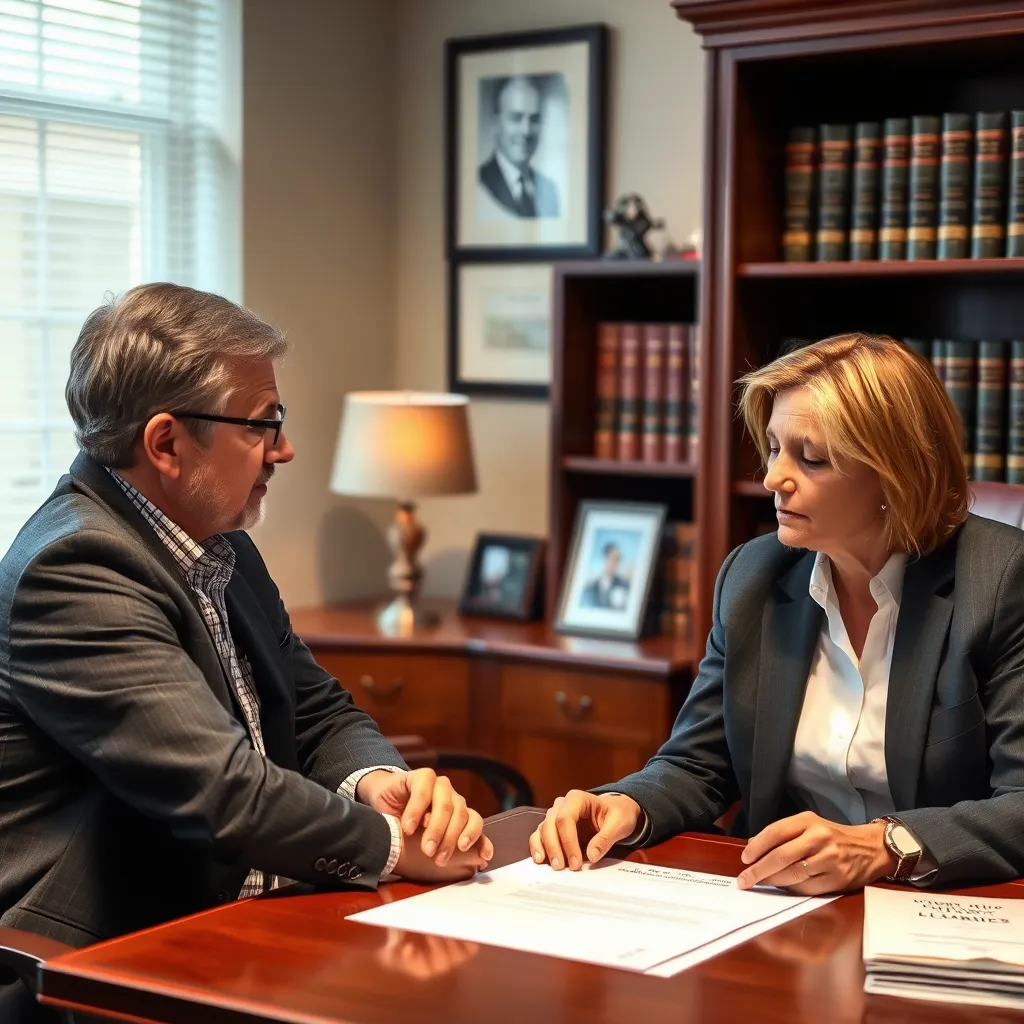
Note: This article is confirmed by Law Offices Of SRIS, P.C.
WRITTEN BY: Mr. Sris
Since 1997, Mr. Sris has led the firm, focusing on the most challenging criminal and family law cases… His background in accounting and information management aids in financial and technology-related cases… Involved in significant legislative changes in Virginia.
Insight: My focus since founding the firm in 1997 has always been directed towards personally handling the most challenging and involved criminal and family law matters our clients face.
Insight: I find my background in accounting and information management provides a unique advantage when handling the intricate financial and technological aspects inherent in many modern legal cases.
Insight: As someone deeply involved in the community, I believe it’s important to not only practice law but also to actively participate in shaping it, which is why I dedicated effort towards amending Virginia Code § 20-107.3 and achieving state recognition for cultural milestones.
Child Guardianship Lawyer Centreville VA
What is Child Guardianship
Child guardianship refers to a legal relationship where an adult assumes responsibility for a minor child’s care and decision-making. This arrangement becomes necessary when biological parents cannot provide adequate care due to various circumstances. The guardian gains authority to make decisions about the child’s education, medical treatment, and daily living arrangements.
Establishing guardianship involves filing a petition with the appropriate Virginia court. The process requires demonstrating that guardianship serves the child’s best interests. Courts consider factors like the child’s relationship with potential guardians, stability of proposed living arrangements, and ability to meet the child’s needs. Documentation must show why parents cannot currently fulfill their responsibilities.
Guardianship options include temporary arrangements for specific situations and permanent solutions for long-term care needs. Temporary guardianship might address medical emergencies or parental absence, while permanent arrangements often involve ongoing parental incapacity. Each type has different legal requirements and duration limitations under Virginia law.
Legal professionals help families understand guardianship options and requirements. They assist with petition preparation, court documentation, and hearing representation. Proper legal guidance ensures all procedures follow Virginia statutes and protect the child’s welfare throughout the process.
How to Establish Guardianship
The guardianship establishment process begins with determining which Virginia court has jurisdiction. Typically, this is the juvenile and domestic relations district court in the county where the child resides. The petitioner must file specific forms detailing the reasons for seeking guardianship and providing information about all parties involved.
Required documentation includes proof of parental circumstances preventing adequate care, such as medical records, incarceration documentation, or evidence of abandonment. The petition must also include information about the proposed guardian’s background, living situation, and ability to provide care. Financial information about both the child and guardian may be required.
Courts schedule hearings to review guardianship petitions. During these proceedings, judges may interview involved parties, review evidence, and consider recommendations from child welfare professionals. The court’s primary concern is determining whether the proposed arrangement serves the child’s best interests according to Virginia standards.
If approved, the court issues formal guardianship orders specifying the guardian’s rights and responsibilities. These documents outline decision-making authority, duration of guardianship, and any limitations or conditions. Proper legal assistance ensures all requirements are met and the arrangement receives court validation.
Can I Modify Existing Guardianship
Guardianship arrangements may require modification when family circumstances change significantly. Common reasons for modification include guardian relocation, changes in the child’s needs, restoration of parental capacity, or alterations in financial situations. Each modification requires court approval to ensure continued protection of the child’s interests.
Modification processes begin with filing a petition explaining the requested changes and reasons for them. The petition must demonstrate how modifications serve the child’s best interests under current circumstances. Courts review whether original conditions for guardianship have changed sufficiently to warrant adjustment of the arrangement.
Types of modifications include changing guardianship terms, adjusting decision-making authority, or terminating the arrangement entirely. Temporary modifications might address short-term situations, while permanent changes reflect long-term alterations in family dynamics. Each type follows specific procedural requirements under Virginia law.
Legal assistance helps families handle modification procedures effectively. Professionals ensure proper documentation, court filing, and representation during modification hearings. They help present evidence supporting requested changes while protecting the child’s welfare throughout the process.
Why Hire Legal Help for Guardianship
Professional legal assistance offers valuable support during guardianship proceedings. Attorneys help families understand Virginia’s specific requirements for establishing or modifying care arrangements. They provide guidance on which type of guardianship best suits family circumstances and child needs.
Legal professionals manage the involved documentation required for guardianship petitions. They ensure all forms are completed accurately, required evidence is gathered properly, and filing deadlines are met. This attention to detail helps prevent procedural delays that could affect the child’s care situation.
During court proceedings, attorneys represent families’ interests while advocating for arrangements that serve children’s welfare. They present evidence effectively, respond to judicial questions, and address any concerns raised during hearings. This representation helps ensure courts have complete information for decision-making.
Beyond initial establishment, legal assistance continues to be valuable for ongoing guardianship matters. Attorneys help with compliance requirements, modification procedures when circumstances change, and termination processes when appropriate. This ongoing support helps maintain legally sound arrangements that protect children’s interests over time.
FAQ:
What is the difference between guardianship and custody?
Guardianship typically involves care when parents cannot provide it, while custody usually involves parental care arrangements. Guardianship often requires court approval for non-parents.
How long does guardianship establishment take?
The process typically takes several weeks to months, depending on court schedules and case challenge. Timelines vary based on documentation completeness and hearing availability.
Can grandparents seek guardianship?
Yes, grandparents can petition for guardianship when they can demonstrate it serves the child’s best interests. Courts consider family relationships and care capabilities.
What happens if parents object to guardianship?
Courts hold hearings to consider all perspectives. Judges decide based on evidence about child welfare and parental circumstances preventing adequate care.
Can guardianship be temporary?
Yes, temporary guardianship addresses short-term situations like medical emergencies or parental absence. These arrangements have specific duration limits.
What financial responsibilities come with guardianship?
Guardians manage child support and expenses, but may receive financial assistance. Courts consider financial capabilities during approval processes.
Can guardianship be transferred to someone else?
Transfer requires court approval through modification petitions. New guardians must meet approval standards showing capability to provide care.
What if the guardian can no longer provide care?
Courts can appoint alternative guardians through modification procedures. Families should seek legal guidance when care circumstances change.
Does guardianship affect parental rights?
Guardianship grants decision-making authority but doesn’t always terminate parental rights. Specific arrangements depend on individual circumstances and court orders.
Can guardians make medical decisions?
Yes, guardians typically have authority to make healthcare decisions. This includes consent for treatment and access to medical records.
What documentation is needed for guardianship?
Required documents include petition forms, identification, background information, and evidence supporting the need for guardianship arrangements.
How much does guardianship legal help cost?
Costs vary based on case challenge and required services. Many firms offer initial consultations to discuss specific situations and fees.
Past results do not predict future outcomes