
Note: This article is confirmed by Law Offices Of SRIS, P.C.
WRITTEN BY: Mr. Sris
Since 1997, Mr. Sris has led the firm, focusing on the most challenging criminal and family law cases. His background in accounting and information management aids in financial and technology-related cases. Involved in significant legislative changes in Virginia. Mr. Sris finds his background in accounting and information management provides a unique advantage when handling the intricate financial and technological aspects inherent in many modern legal cases.
separation agreement lawyer Falls Church VA
What is a separation agreement
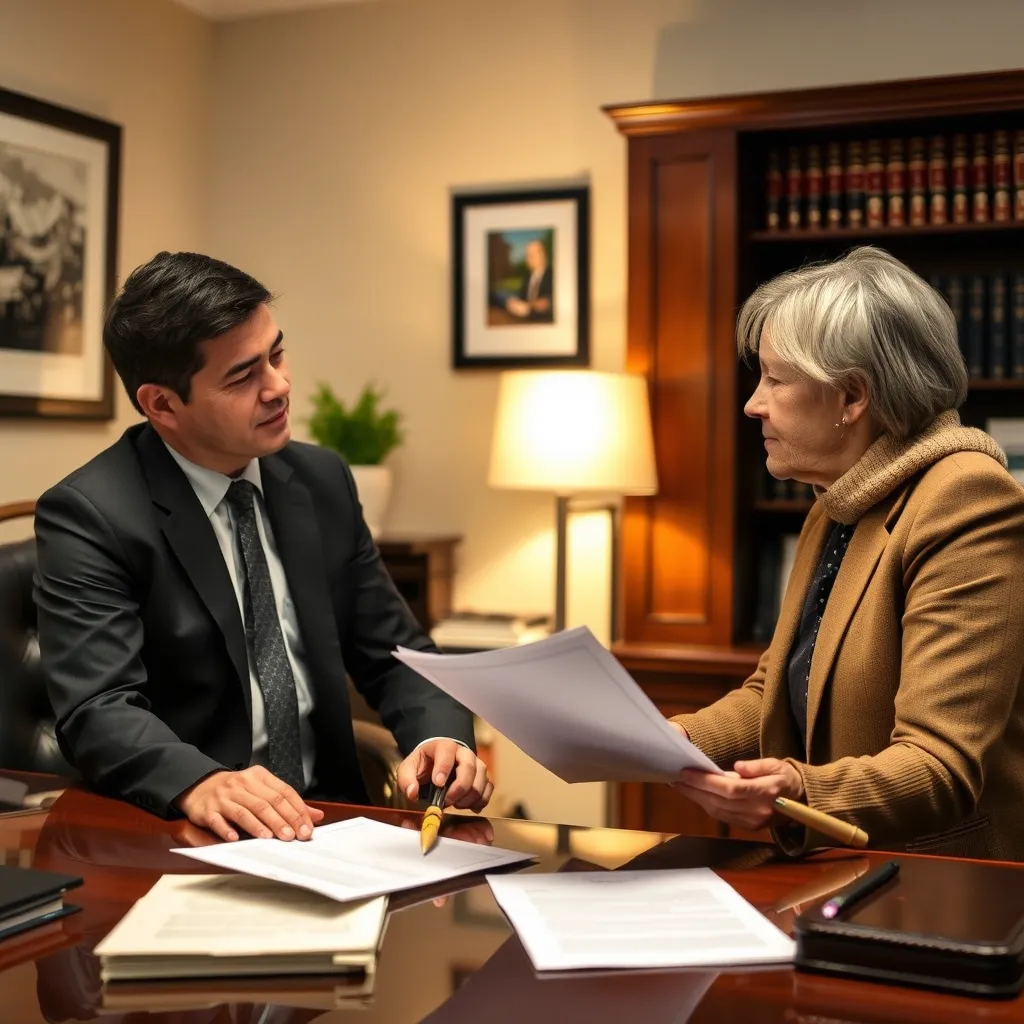
Separation agreements serve as formal contracts between spouses who live apart. These documents outline rights and responsibilities during separation periods. Virginia law recognizes these agreements when properly executed. They address financial matters, property division, and family arrangements.
Creating a separation agreement involves several steps. First, both parties disclose financial information completely. Next, negotiations address property distribution and support terms. Parenting plans establish custody and visitation schedules. Legal review ensures all provisions comply with Virginia statutes.
Defense options focus on protecting individual interests. Agreements should address potential future changes in circumstances. Modification clauses allow adjustments when situations evolve. Enforcement mechanisms ensure compliance with established terms. Legal counsel helps identify areas requiring specific attention.
Professional insight emphasizes thorough documentation. Complete financial disclosure prevents future challenges. Clear language reduces interpretation disputes. Virginia courts generally uphold properly drafted agreements. Legal guidance helps create enforceable documents that withstand scrutiny.
Reality Check: Separation agreements require complete financial honesty. Hidden assets or income can invalidate the entire document later.
How to create a marital settlement agreement
Marital settlement agreements require careful preparation in Virginia. The process begins with gathering financial documentation. Both parties must provide complete income and asset information. This transparency forms the foundation for fair negotiations.
Action steps follow a logical sequence. First, inventory all marital property and debts. Next, determine equitable distribution under Virginia law. Then, establish support arrangements based on financial circumstances. Finally, create detailed parenting plans if children are involved.
The process involves negotiation between parties. Mediation can help resolve disagreements constructively. Legal representatives advocate for client interests during discussions. Compromise often leads to workable solutions for both spouses.
Strategy considerations include long-term implications. Agreements should address potential future changes in income or circumstances. Tax consequences require careful evaluation. Retirement account division follows specific legal requirements. Professional guidance helps avoid common pitfalls.
Authority perspective emphasizes Virginia legal standards. Courts review agreements for fairness and compliance. Unconscionable terms may face judicial rejection. Proper execution requires notarization and witness signatures. Legal counsel ensures all procedural requirements are met.
Straight Talk: Rushing through settlement negotiations often leads to unfavorable terms. Take time to understand every provision before signing.
Can I modify a separation agreement
Modification of separation agreements follows Virginia legal standards. Changes may occur through mutual agreement or court order. The original agreement’s terms determine modification possibilities. Some provisions allow adjustments while others remain fixed.
Explanation begins with modification grounds. Substantial changes in circumstances often justify revisions. Income fluctuations, relocation, or health issues may warrant adjustments. Child-related provisions adapt to evolving family needs. Mutual consent allows modifications without court involvement.
Process for modification involves specific steps. First, document the changed circumstances thoroughly. Next, attempt negotiation with the other party. If agreement is reached, draft modification documents. Court approval may be required depending on the changes.
Defense considerations protect against improper modifications. Original agreements should include modification procedures. Clear standards prevent arbitrary changes. Legal review ensures proposed modifications comply with Virginia law. Proper documentation maintains agreement integrity.
Professional insight addresses practical realities. Courts prefer modifications that serve children’s best interests. Financial changes require solid evidence. Procedural errors can invalidate modification attempts. Legal counsel helps handle the modification process effectively.
Blunt Truth: Courts won’t modify agreements just because one party regrets their original decisions. You need documented, substantial changes in circumstances.
Why hire separation agreement attorney Falls Church, VA
Legal representation offers significant benefits for separation matters. Attorneys understand Virginia family law requirements thoroughly. They ensure agreements comply with statutory standards. Proper documentation prevents future enforcement problems.
Explanation of attorney value begins with legal knowledge. Virginia separation laws contain specific requirements. Attorneys identify provisions that need inclusion. They recognize potential problem areas in agreements. Legal experienced lawyer creates stronger, more enforceable documents.
Action steps with legal counsel follow structured approaches. Attorneys gather necessary financial documentation. They negotiate on behalf of client interests. Legal drafting uses precise language that courts respect. Review processes catch potential issues before signing.
Strategy development considers long-term implications. Attorneys help structure agreements for future flexibility. They address tax consequences and financial planning aspects. Child-related provisions receive careful attention. Comprehensive approaches protect client interests fully.
Professional insight emphasizes practical benefits. Attorneys manage emotional aspects of separation negotiations. They maintain focus on legal objectives. Documentation meets evidentiary standards for court proceedings. Legal representation often leads to more favorable outcomes.
Reality Check: Trying to handle separation agreements without legal help often costs more in the long run through enforcement problems or unfavorable terms.
FAQ:
1. What does a separation agreement cover?
A separation agreement addresses property division, support payments, debt responsibility, and child arrangements. It establishes terms for couples living apart in Virginia.
2. How long does creating a separation agreement take?
The process typically takes several weeks to months. Timing depends on case challenge, cooperation between parties, and negotiation progress.
3. Are separation agreements legally binding in Virginia?
Yes, properly executed separation agreements are legally binding. They require notarization and witness signatures under Virginia law.
4. Can I create a separation agreement without a lawyer?
While possible, legal guidance is recommended. Attorneys ensure compliance with Virginia requirements and protect your interests.
5. What happens if my spouse violates the agreement?
Violations may lead to court enforcement actions. Legal remedies include contempt proceedings or modification requests.
6. How much does a separation agreement cost?
Costs vary based on case challenge and attorney involvement. Simple agreements cost less than contested negotiations.
7. Does separation affect divorce proceedings?
Separation agreements often form the basis for divorce settlements. They can simplify divorce proceedings in Virginia.
8. What financial information is required?
Complete disclosure of income, assets, debts, and expenses is necessary. Full transparency ensures fair agreement terms.
9. Can separation agreements be changed later?
Modifications are possible with court approval or mutual consent. Significant life changes may justify adjustments.
10. How does separation affect child custody?
Separation agreements establish parenting plans and custody arrangements. These terms address children’s needs during separation.
11. What if we reconcile after signing?
Reconciliation may void some agreement provisions. Legal counsel can advise on reconciliation effects on the document.
12. Are mediation services available?
Yes, mediation helps couples reach agreement on separation terms. This process can reduce conflict and legal costs.
Past results do not predict future outcomes