
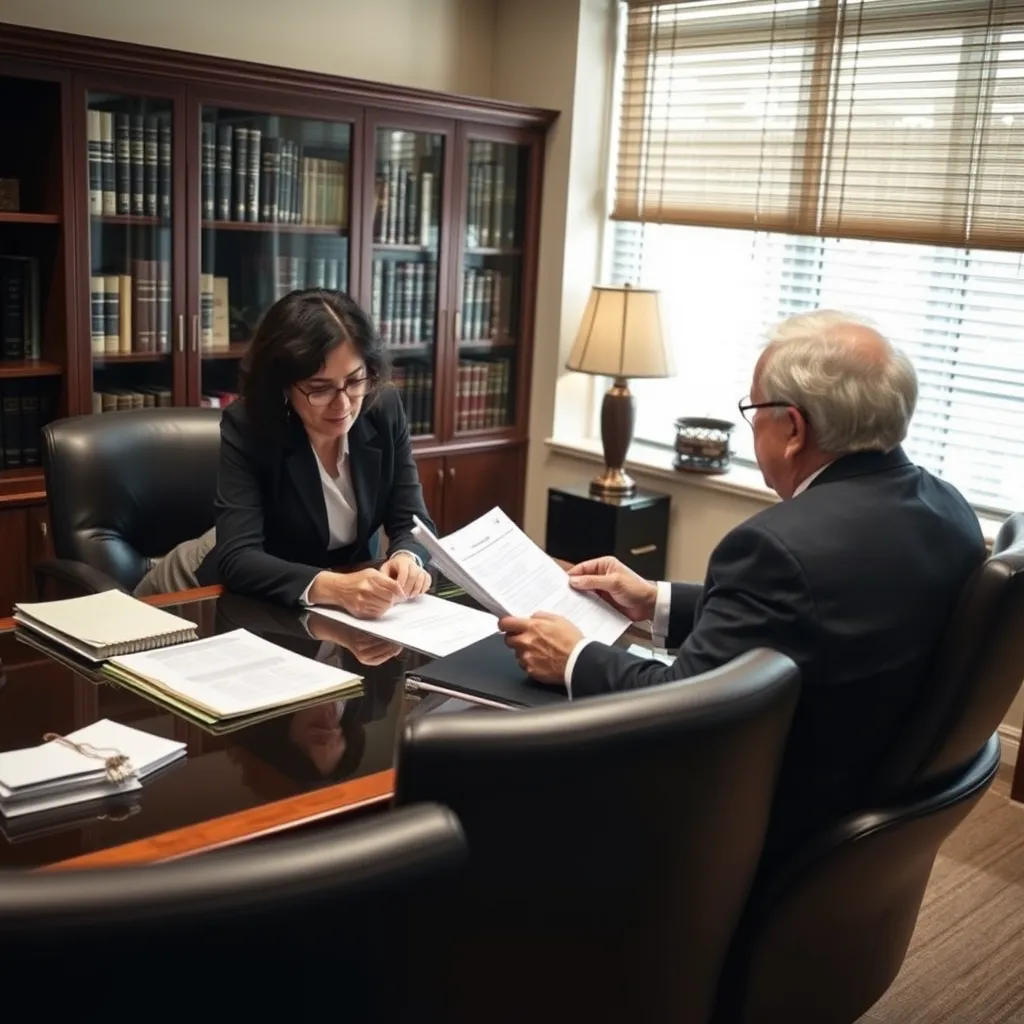
Cortland County Article 81 Guardianship Lawyer
When a family member in Cortland County can no longer manage personal or financial decisions because of age, illness, or injury, a court‑supervised guardianship may become necessary. Article 81 of the New York Mental Hygiene Law provides the legal framework for those proceedings. At Law Offices Of SRIS, P.C., Mr. Sris and the firm’s Of Counsel attorneys help families navigate the Article 81 process, from filing the petition through the hearing in Cortland County Supreme Court. The firm, founded in 1997, is admitted in New York, Virginia, Maryland, the District of Columbia, and New Jersey and maintains a presence in Cortland County through its Central New York location. For a confidential consultation, call (888) 437‑7747. Law Offices Of SRIS, P.C. – Advocacy Without Borders.
What Article 81 Guardianship Means in Cortland County
Article 81 of the Mental Hygiene Law governs guardianship for adults whose functional capacity is at issue. Unlike a power of attorney, which an individual executes voluntarily while able to do so, an Article 81 guardianship is a court‑ordered arrangement. The Supreme Court in Cortland County hears these proceedings, and the focus is on the person’s actual ability to carry out daily tasks—not solely on a medical diagnosis. A court evaluator, appointed under MHL § 81.09, investigates the facts and makes a recommendation to the court. The judge then decides whether a guardian is needed and, if so, what powers the guardian should have. The goal is to craft an order that limits the guardianship to the areas where the individual truly needs help, preserving as much autonomy as possible.
Because the Cortland County Supreme Court serves a close‑knit community, petitioners benefit from working with counsel who know the local calendar and the expectations of the court. The judge may order a hearing with testimony from family members, medical professionals, and the alleged incapacitated person. The process is detail‑intensive—financial records, advance directives, and evidence of functional limitations must be assembled. An experienced attorney can frame the petition in a way that clearly demonstrates the need for guardianship while respecting the individual’s rights. Mr. Sris and the firm’s Of Counsel attorneys regularly appear before the Cortland County Supreme Court and understand how to present these sensitive matters.
How Mr. Sris and the Firm’s Of Counsel Attorneys Handle Article 81 Guardianship Cases
The firm’s approach to Article 81 proceedings is grounded in preparation and clear communication. First, the legal team meets with the family to understand the immediate concerns: Can the person handle finances? Is the person staying nourished and safe? What powers are actually needed? Once the scope is defined, the attorney drafts a petition that describes the functional limitations with supporting affidavits from individuals who know the person well. The firm works with independent medical professionals when an evaluation is required, but it does not itself provide medical opinions or sworn medical affidavits—those come from qualified attorneys.
After the petition is filed, the court appoints a court evaluator. The firm’s attorneys cooperate with the evaluator, making sure all relevant documents are available. If the case is contested, the firm argues for a guardianship tailored to the individual’s needs. Throughout the process, the family is kept informed of deadlines, hearing dates, and any additional evidence the court may request. While timelines depend on the court’s calendar and the complexity of the matter, the firm works to move the case forward efficiently. At every stage, the objective is to secure court approval for a guardianship that protects the vulnerable individual while respecting the principle that the arrangement should be the least restrictive under the circumstances.
About Mr. Sris and the Firm’s Of Counsel Attorneys
Mr. Sris, Owner and Founder of Law Offices Of SRIS, P.C., has practiced law since 1997 and is admitted in five jurisdictions, including New York. He has testified before the Virginia House Courts of Justice Committee in support of 2019 HB 635 (chief patron Del. David Bulova). Mr. Sris is a former prosecutor—experience that informs his disciplined courtroom approach.
The firm’s Of Counsel attorneys are independent practitioners who work side‑by‑side with Mr. Sris on guardianship and other matters. Collectively, they bring substantial experience to Article 81 cases—from preparing petitions to representing families at trial. The team’s multi‑jurisdictional background also proves useful when the person who needs guardianship has property or family in more than one state. The firm’s Cortland County location is at 46 Greenbush Street, Suite 301, Cortland, NY 13045 (by appointment only; call (888) 437‑7747 to schedule).
Frequently Asked Questions
What is an Article 81 guardianship in New York?
An Article 81 guardianship is a court‑ordered arrangement in which the Supreme Court appoints a guardian to make decisions for an adult who cannot manage their own affairs. Unlike a power of attorney, which the person creates voluntarily, Article 81 is imposed after a hearing. The court may appoint a guardian of the person, a guardian of the property, or both, depending on the individual’s functional limitations. The process starts with a petition, typically filed by a family member or a social services agency, and includes an investigation by a court evaluator. The goal is to protect the person while preserving as much independence as possible.
Do I need a lawyer to file an Article 81 petition in Cortland County?
While you are not legally required to have a lawyer, navigating an Article 81 proceeding without counsel is difficult because of the detailed procedural and evidentiary requirements. The petition must allege specific functional deficits, and the court expects supporting documents and witness testimony. An experienced attorney knows how to structure the petition, coordinate with the court evaluator, and present a compelling case at the hearing. Mistakes can delay the proceeding or lead to a guardianship that is broader than necessary. Working with a lawyer helps ensure the process moves smoothly and the final order truly meets the individual’s needs.
How long does an Article 81 case take in Cortland County?
The timeline for an Article 81 guardianship in Cortland County varies depending on the court’s calendar, whether the case is contested, and how quickly the court evaluator completes the investigation. An uncontested matter may proceed more quickly, while a contested hearing can extend the process. Emergency temporary guardianship can be sought under MHL § 81.23 if immediate harm is threatened. Because each situation is unique, the firm provides families with realistic expectations after reviewing the specifics of the case. The attorneys work to avoid unnecessary delay while respecting the court’s schedule.
What is the difference between Article 81 guardianship and a power of attorney?
A power of attorney is a voluntary document signed by a capable adult, while an Article 81 guardianship is imposed by a court when the person no longer has the capacity to execute a power of attorney. If a power of attorney is already in place and covers the necessary decisions, a guardianship may be avoided. However, if the power of attorney is inadequate, is being misused, or the person never signed one because capacity was lost, Article 81 becomes the path to authority. The court‑appointed guardian is supervised and must report to the court, whereas an agent under a power of attorney generally is not court‑supervised.
What does the court evaluator do in a Cortland County Article 81 case?
The court evaluator is an independent professional appointed by the judge to investigate the facts and make a recommendation about whether a guardianship is needed and, if so, what powers the guardian should hold. The evaluator reviews medical records, interviews the alleged incapacitated person, and speaks with family members, care providers, and other witnesses. The evaluator then prepares a written report for the court. While the evaluator’s recommendation is not binding on the judge, it carries significant weight. The firm’s attorneys cooperate fully with the evaluator, providing all relevant documentation to aid the investigation.
How do I start an Article 81 guardianship for a parent in Cortland County?
To begin, contact an attorney experienced in Article 81 proceedings. The attorney will meet with you to evaluate the situation and, if guardianship appears appropriate, will prepare and file a petition with the Cortland County Supreme Court. You will need to provide details about your parent’s daily functioning, any medical conditions affecting decision‑making, and the specific areas where help is required. After filing, the court will assign a court evaluator and schedule a hearing. The firm can guide you through each step, from the initial consultation through the final order. Call (888) 437‑7747 to request a consultation.
Primary sources: New York Mental Hygiene Law Article 81 | Cortland County Supreme Court | New York State Unified Court System
Attorney advertising. Prior results do not guarantee a similar outcome.
Case results depend on a variety of factors unique to each case.
Results may vary.
Our Cortland office is located approximately 150 miles from Buffalo, NY.