
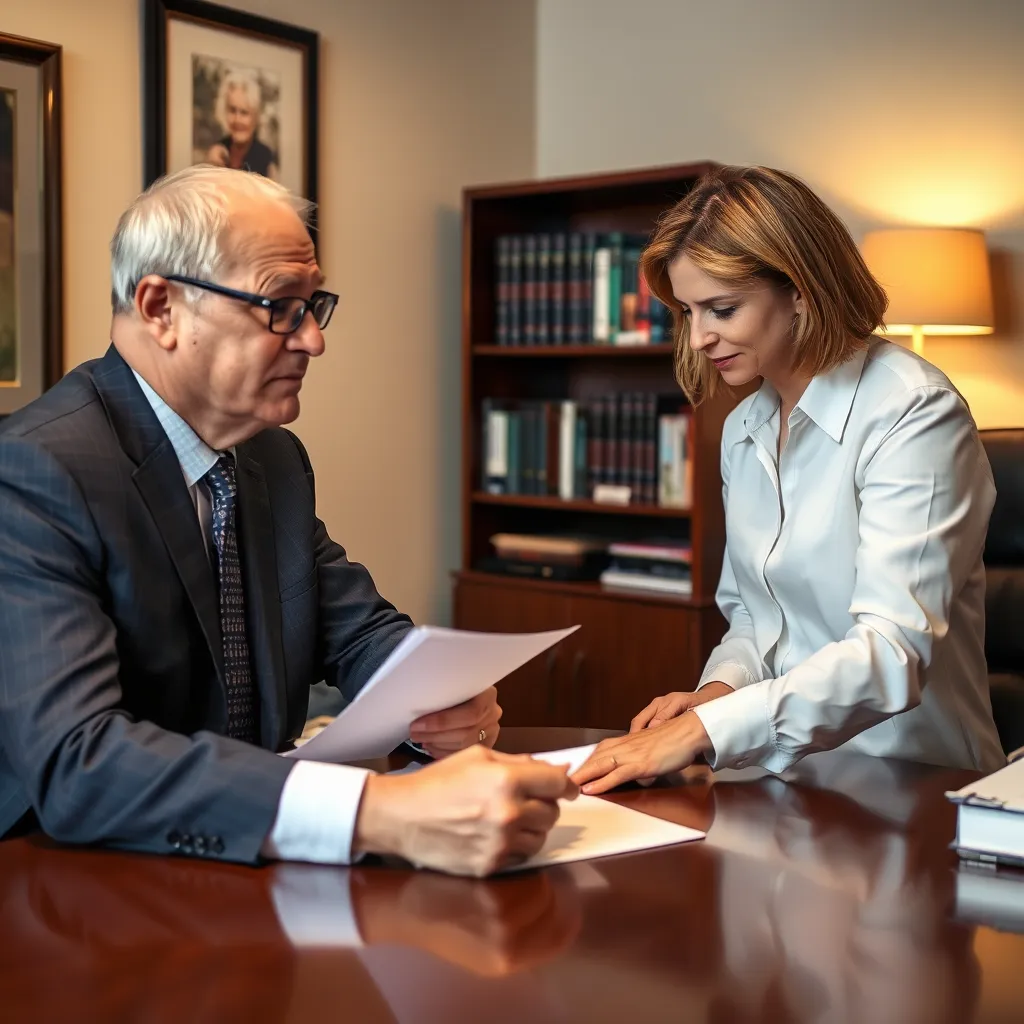
Minor Guardianship Lawyer Alexandria, VA
When a minor child in Alexandria cannot be cared for by their parents, a relative or other concerned adult may seek legal guardianship to provide a stable home and make decisions about the child’s education, health care, and welfare. The process is governed by Virginia’s guardianship statutes and requires a petition filed in the Alexandria Circuit Court. Whether you are a grandparent stepping in during a family crisis or a family friend seeking to formalize an existing arrangement, you need clear guidance through the legal steps. Mr. Sris, Owner and Founder of Law Offices Of SRIS, P.C., and the firm’s Of Counsel attorneys represent clients in minor guardianship matters in Alexandria. Call (888) 437-7747 to schedule a consultation and discuss your situation. Law Offices Of SRIS, P.C. – Advocacy Without Borders.
What Minor Guardianship Means in Alexandria
Minor guardianship under Virginia law is a court‑ordered relationship in which an adult who is not the child’s parent assumes legal responsibility for the child’s personal and financial well‑being. Guardianship is distinct from custody: custody typically arises in divorce or separation proceedings between parents, while guardianship is used when neither parent is able or willing to care for the child, or when the parents have died. The Virginia Uniform Guardianship and Protective Proceedings Act, codified at Va. Code § 64.2‑2000 et seq., provides the framework for appointing a guardian for a minor.
In Alexandria, minor guardianship cases are heard in the Alexandria Circuit Court. The person seeking guardianship must file a petition, give notice to the parents and other interested parties, and present evidence that the appointment is in the child’s best interests. The court may appoint a guardian of the person (responsible for day‑to‑day care and decisions) or a guardian of the estate (managing the child’s property), or both. A guardian ad litem may be appointed to represent the child’s interests. Because Alexandria is an independent city within the 18th Judicial District, the court’s local rules and scheduling practices are important to understand. The firm’s Arlington location serves Alexandria clients, and our attorneys are familiar with the judges and procedures at 520 King Street.
Alexandria General District Court is currently presided over by Hon. Donald M. Haddock Jr. Court hours: Mon‑Fri 8:00AM‑4:00PM. Counsel appearing on family law matters should plan filings accordingly.
How Mr. Sris and His Of Counsel Handle Minor Guardianship Cases
A minor guardianship case begins with preparation and filing of a petition that explains why guardianship is needed and why the proposed guardian is suitable. The petition must be supported by evidence, which may include affidavits from family members, school records, medical records, and testimony about the parents’ circumstances. Notice to the parents is required, and if a parent objects, the matter becomes contested and proceeds to an evidentiary hearing. The firm’s attorneys work with clients to gather the necessary documentation and present a thorough case to the court.
At the hearing, the court considers the child’s best interests, the fitness of the proposed guardian, and any risk of harm to the child if guardianship is not granted. The firm’s Of Counsel attorneys have extensive courtroom experience and advocate effectively for the child’s welfare. In uncontested cases, the process can move more quickly; contested cases require more preparation and may involve multiple court appearances. Throughout, the firm’s approach is collaborative and client‑centered: we keep you informed at every stage and work toward a resolution that serves the child’s long‑term interests. Because guardianship orders can later be modified or terminated if circumstances change, we also counsel clients on post‑appointment obligations and potential future hearings.
About Mr. Sris and the Firm’s Of Counsel Attorneys
Mr. Sris, Owner and Founder of Law Offices Of SRIS, P.C., has practiced law since 1997 and is admitted in Virginia, Maryland, the District of Columbia, New Jersey, and New York. A former prosecutor, he brings a thorough understanding of courtroom procedure and evidence to every family law matter. He testified before the Virginia House Courts of Justice Committee in support of 2019 HB 635 (chief patron Del. David Bulova).
The firm’s Of Counsel attorneys add experience in family law and litigation, and Mr. Sris and his Of Counsel bring extensive combined legal experience. Results may vary. When you contact Law Offices Of SRIS, P.C. about a minor guardianship matter in Alexandria, you work with attorneys who focus on the child’s best interests and guide you through Virginia’s legal requirements.
Frequently Asked Questions
What is a minor guardianship in Virginia?
A minor guardianship is a court order that places an adult in charge of a child’s care and decision‑making when the parents are unable or unwilling to do so. In Virginia, guardianship may cover the child’s personal needs, the child’s property, or both. It is different from adoption because it does not permanently sever the parents’ rights; guardianship can be modified or ended if the parents become fit again. The process is governed by Va. Code § 64.2‑2000 et seq., and the Alexandria Circuit Court has jurisdiction over these cases.
How is guardianship different from custody in Virginia?
Custody is typically determined between parents in a divorce or separation, while guardianship places a non‑parent in charge of the child. Custody orders under Title 20 of the Virginia Code focus on parental rights and visitation. Guardianship, under Title 64.2, gives the guardian legal authority to make decisions for the child, often when the parents are absent, incapacitated, or deceased. A guardian may also manage the child’s finances, whereas custody usually does not include control over a child’s property.
Who can file for minor guardianship in Alexandria?
Any adult with a legitimate interest in the child’s welfare can file a petition for guardianship in the Alexandria Circuit Court. Common petitioners include grandparents, aunts, uncles, adult siblings, or close family friends. The petitioner must show it is in the child’s best interests for the court to appoint them as guardian. The child’s parents receive notice, and if they object, the matter becomes contested. Our attorneys can evaluate whether you have standing and help you prepare the petition.
Do I need a lawyer for a minor guardianship case in Alexandria?
While you are not required to have a lawyer, representation helps you navigate the procedural requirements and present a strong case. The petition must meet specific legal standards, notice must be given correctly, and evidence must be presented in the proper form. If a parent contests the petition, the hearing can become adversarial. An experienced attorney can protect the child’s interests and avoid delays. To discuss your situation, reach Law Offices Of SRIS, P.C. at (888) 437-7747.
What does the court consider when deciding a minor guardianship case?
The court evaluates the child’s best interests, the fitness of the proposed guardian, and whether granting guardianship is necessary to protect the child. Factors include the child’s relationship with the petitioner, the parents’ ability to care for the child, any history of abuse or neglect, and the stability of the proposed guardian’s home. The court may appoint a guardian ad litem to investigate and report on what arrangement would serve the child best. The judge’s primary focus is the child’s safety and well‑being.
How long does a minor guardianship case take in Alexandria?
The timeline varies depending on whether the case is uncontested and the court’s calendar. An uncontested guardianship where all parties agree may be resolved in a few months. If a parent objects and the matter goes to a contested hearing, the process can take longer due to discovery, witness preparation, and scheduling. The court may also order an investigation by a guardian ad litem, which can add time. Our attorneys work to move the case forward efficiently while ensuring the court has all the information it needs.
Can a guardianship order be changed or ended later?
Yes, a guardianship order can be modified or terminated if circumstances change. For example, if the parents become able to resume care of the child, they can petition to end the guardianship. The guardian may also seek to resign, or a different guardian may be appointed. The court retains jurisdiction to modify the order to protect the child’s best interests. The process for modifying a guardianship involves filing a motion and showing the court a material change in circumstances.
What is the difference between a guardian of the person and a guardian of the estate for a minor?
A guardian of the person makes day‑to‑day decisions about the child’s care, education, and health, while a guardian of the estate manages the child’s money and property. In many cases, the same person serves in both roles. However, if the child inherits substantial assets or receives a settlement, the court may appoint a separate guardian of the estate to ensure proper financial management. The petitioner can request both types of guardianship in the initial petition.
What is the role of a guardian ad litem in a minor guardianship case?
A guardian ad litem (GAL) is an independent court‑appointed attorney who represents the child’s interests. The GAL investigates the child’s circumstances, interviews the child and relevant parties, and makes a recommendation to the court about what arrangement would best serve the child. The GAL’s report is an important piece of evidence, and the court gives it significant weight. Our attorneys are experienced in working with GALs and presenting evidence that supports the petition.
How do I get started with a minor guardianship case in Alexandria?
Contact Law Offices Of SRIS, P.C. at (888) 437-7747 to schedule a consultation. We will discuss your relationship to the child, why guardianship is needed, and what documentation you should gather. We then prepare the petition and guide you through each step, from filing and notice to the hearing. Our Arlington location serves Alexandria clients, and we are familiar with the Alexandria Circuit Court. For a consultation, reach Mr. Sris and his Of Counsel at (888) 437-7747.
Related Family Law Services in Northern Virginia
Fairfax County Family Law •
Falls Church Family Law •
Prince William County Family Law •
Manassas Family Law
Primary legal authorities: Virginia Code Title 64.2 (Guardianship) • Virginia Courts
Attorney advertising. Prior results do not guarantee a similar outcome. Results may vary. Last reviewed: July 2026.
Case results depend on a variety of factors unique to each case.