
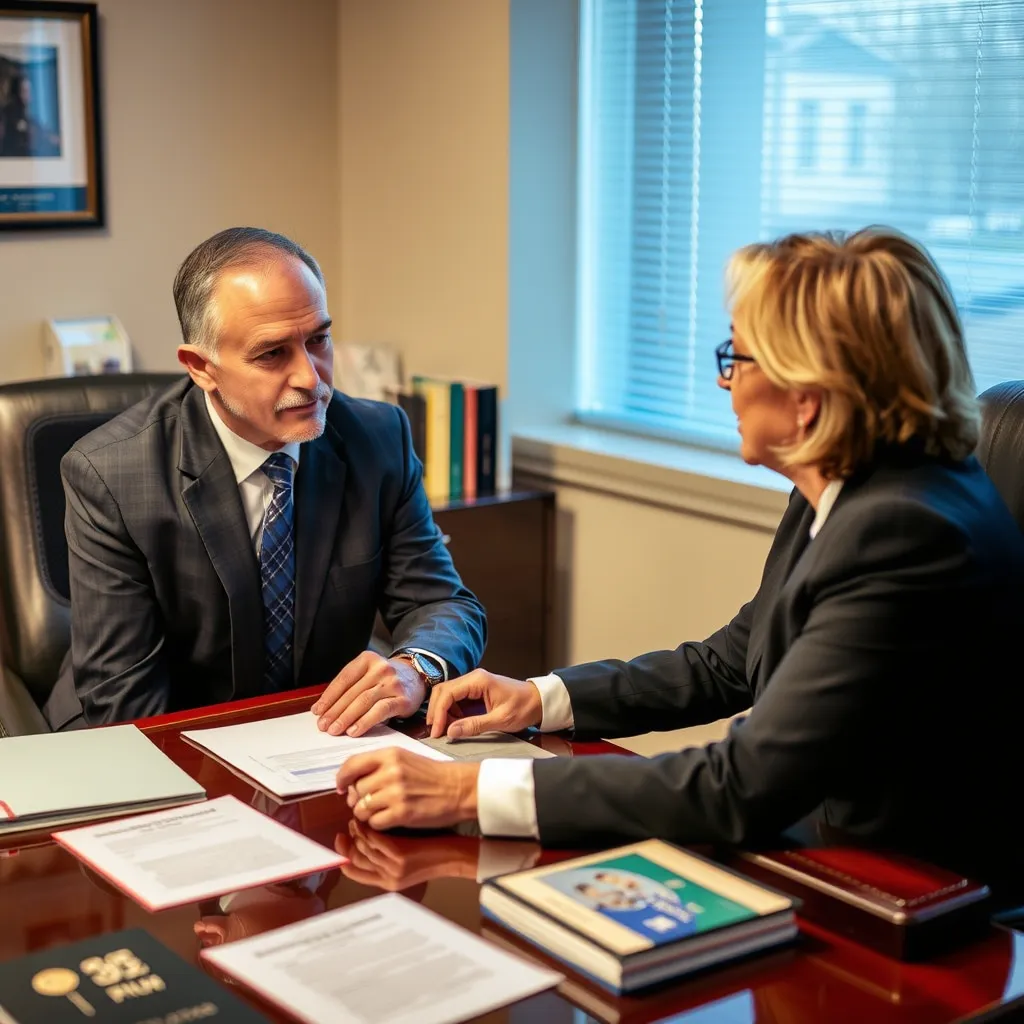
Visitation Modification Lawyer Alexandria, VA
When a Virginia custody or visitation order no longer reflects a family’s current circumstances, either parent may seek a modification through the court. In Alexandria, visitation modification matters are heard in the Alexandria Juvenile and Domestic Relations District Court for standalone cases, or in the Alexandria Circuit Court when part of a divorce or equitable distribution proceeding. Both courts are located at 520 King Street, 2nd Floor, Alexandria, VA 22320. A parent requesting a change must demonstrate a material change in circumstances and show that the proposed adjustment serves the child’s best interests under Va. Code § 20‑124.2 and § 20‑124.3. Law Offices Of SRIS, P.C., practicing since 1997, represents parents in visitation modification proceedings throughout Alexandria, including Old Town, Del Ray, and Kingstowne. To request a consultation, call (888) 437‑7747.
What Visitation Modification Means in Alexandria
Virginia law gives the court continuing authority to revise visitation schedules when a substantial change has occurred since the last order was entered. The Alexandria Juvenile and Domestic Relations District Court handles petitions that are not part of an existing divorce case, while the Alexandria Circuit Court hears modification requests tied to an active divorce or equitable distribution matter. Both courts apply the same statutory standard: the parent seeking modification must prove a material change in circumstances and demonstrate that the proposed change furthers the child’s best interests.
Depending on the procedural posture of the case, a parent may file a motion in the same court that issued the original order. If the original order came from the J&DR District Court, the modification petition is filed there. If the order was entered as part of a Circuit Court divorce decree, the modification motion is filed in the Circuit Court. Virginia Code § 20‑124.2 grants the court authority to set, review, and modify visitation rights, while § 20‑124.3 enumerates ten factors the court must consider when determining the child’s best interests. Our firm helps parents present evidence of changed circumstances—such as a parent’s relocation, a change in the child’s needs, or a pattern of interference with the existing schedule—so the court can make an informed decision.
How Mr. Sris and the Firm’s Of Counsel Attorneys Handle Visitation Modification Cases
A visitation modification case begins with a thorough review of the existing order and a candid discussion about the facts that have changed. Mr. Sris and the firm’s Of Counsel attorneys work with parents to identify the strongest factual basis for the modification, gather supporting evidence, and prepare a motion and supporting affidavit that meet Alexandria court requirements. The firm also evaluates whether the other parent is likely to consent; an agreed modification can often be presented to the court without a contested hearing, saving time and expense.
If the matter is contested, the firm prepares for a hearing before the judge. The presentation focuses on the statutory best‑interests factors, using testimony, documentation, and where appropriate, input from counselors or other professionals. Mr. Sris and the firm’s Of Counsel attorneys are experienced in Virginia family law procedure and understand the local practices of the Alexandria courts. The firm works to reach a resolution that protects the parent‑child relationship while minimizing conflict. Throughout the process, the firm keeps the client informed of developments and provides straightforward guidance on the legal standards the court will apply. Results may vary.
About Mr. Sris and the Firm’s Of Counsel Attorneys
Mr. Sris, Owner and Founder of Law Offices Of SRIS, P.C., has practiced law since 1997 and is admitted in Virginia, Maryland, the District of Columbia, New Jersey, and New York. He testified before the Virginia House Courts of Justice Committee in support of 2019 HB 635 (chief patron Del. David Bulova). A former prosecutor, Mr. Sris brings trial‑tested advocacy to family law matters and keeps his caseload manageable to ensure deep involvement in each representation. He is joined by the firm’s Of Counsel attorneys, whose backgrounds include service as a former Maryland Assistant State’s Attorney and a former Virginia State Trooper, along with over three decades of litigation experience. Mr. Sris and the firm’s Of Counsel attorneys bring extensive combined legal experience. Results may vary.
Frequently Asked Questions
How does a Virginia lawyer defend against visitation modification charges?
Defense strategies for visitation modification in Virginia may include challenging the claimed change in circumstances, examining procedural compliance, and presenting evidence that the current schedule continues to serve the child’s best interests. An experienced attorney evaluates the specific facts under Va. Code § 20‑124.2 and § 20‑124.3 to determine whether the petition meets the material-change threshold. In Alexandria, both the J&DR District Court and the Circuit Court require clear proof that modification is warranted. For guidance on your specific situation, reach Law Offices Of SRIS, P.C. at (888) 437‑7747.
What should I do if I am facing a visitation modification petition in Alexandria?
If you have been served with a motion to modify visitation in Alexandria, contact a family law attorney immediately and do not discuss the case with anyone except your lawyer. Preserve all relevant documents, including the existing order, communication with the other parent, and any records that reflect your involvement in the child’s life. The Alexandria courts follow specific procedural rules, and missing a deadline can affect your ability to present your side. To discuss the details of your matter, contact Law Offices Of SRIS, P.C. at (888) 437‑7747.
What qualifies as a material change in circumstances for visitation modification?
A material change in circumstances is a significant alteration in the child’s or parent’s situation that was not contemplated when the last visitation order was entered. Common examples include a parent’s relocation that makes the existing schedule impractical, a change in the child’s school or medical needs, repeated interference with court‑ordered visitation, or concerns about the child’s safety in the current arrangement. Alexandria courts evaluate whether the change is substantial and not merely a day‑to‑day fluctuation. The parent seeking modification carries the burden of proving that the change warrants a new schedule.
Do I need a lawyer for a visitation modification in Alexandria?
You are not required to have a lawyer to file or respond to a visitation modification petition in Alexandria, but legal representation can help you present the strong case under Virginia’s best‑interests factors. A lawyer can identify the correct court for filing, prepare the necessary pleadings, gather admissible evidence, and cross‑examine witnesses at the hearing. The firm’s experienced family law attorneys can guide you through the process and advocate for a schedule that supports your relationship with your child. For a consultation, reach Mr. Sris and the firm’s Of Counsel attorneys at (888) 437‑7747.
Can a visitation order be modified if the other parent agrees?
Yes, if both parents agree to a change in the visitation schedule, they can submit a proposed agreed order to the court for approval. The court will still review the modification to ensure it serves the child’s best interests. An agreed modification typically avoids the time and expense of a contested hearing. Even when parents are in general agreement, working with an attorney helps ensure the order is properly drafted and addresses all necessary details, such as holiday schedules, transportation, and communication protocols. Results may vary.
How long does a visitation modification case take in Alexandria?
The timeline for a visitation modification in Alexandria depends on whether the matter is contested and on the court’s calendar. An agreed modification can be submitted to the court and, if approved, may be entered within weeks. A contested modification requires a hearing, and the time from filing to hearing varies by the court’s docket and the complexity of the issues. The firm works to advance the matter efficiently while ensuring a thorough presentation of the evidence. To discuss the likely timeline in your case, contact Law Offices Of SRIS, P.C. at (888) 437‑7747.
Additional information about family law matters in nearby localities: Fairfax County family law lawyer, Prince William County family lawyer, Falls Church family law attorney, Manassas family law representation.
For reference, official Virginia resources: Virginia Code § 20‑124.2 (visitation rights), Alexandria Circuit Court.
Attorney advertising. Prior results do not guarantee a similar outcome. Results may vary.
Case results depend on a variety of factors unique to each case.