
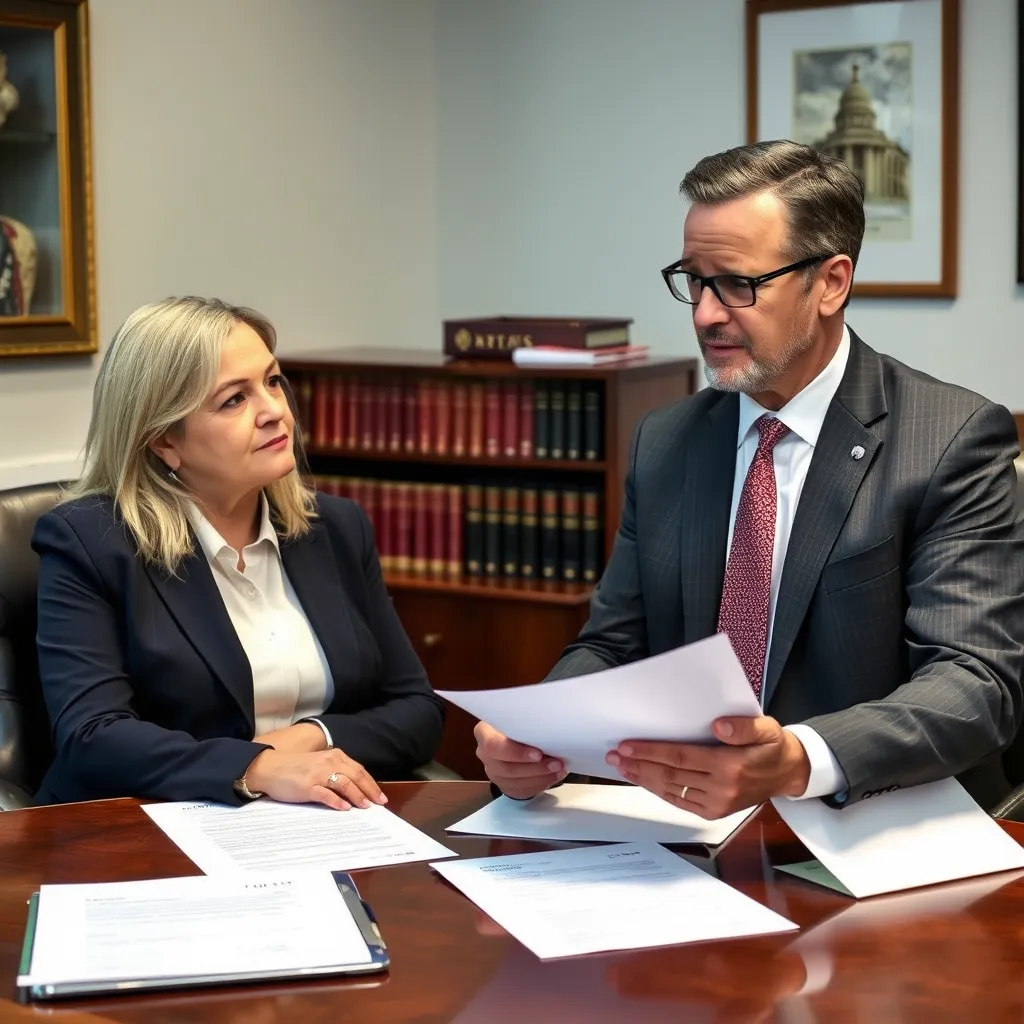
Note: This article is confirmed by Law Offices Of SRIS, P.C.
WRITTEN BY: Mr. Sris
Since 1997, Mr. Sris has led the firm, focusing on the most challenging criminal and family law cases. His background in accounting and information management aids in financial and technology-related cases. Involved in significant legislative changes in Virginia. Mr. Sris believes in actively participating in shaping law while handling intricate legal matters.
involved Property Division Lawyer Vienna VA
What is Property Division
Property division represents the legal process of separating assets when a marriage ends. This involves identifying all property acquired during the marriage, determining appropriate values, and establishing fair distribution between parties. The classification of property as separate or marital forms the foundation of this process. Separate property typically includes assets owned before marriage or received as individual gifts or inheritances. Marital property encompasses assets acquired during the marriage through joint efforts.
The valuation stage requires careful attention to financial details. Real estate holdings need current market assessments. Retirement accounts require understanding of vesting schedules and tax implications. Business interests demand professional valuation to determine accurate worth. Investment portfolios need examination of growth patterns and risk factors. Each asset category presents unique considerations that affect final distribution outcomes.
Legal strategies focus on achieving equitable results while considering individual circumstances. Documentation plays a vital role in establishing ownership timelines and contribution levels. Financial records provide evidence of asset acquisition and maintenance. Professional appraisals offer objective valuation standards. Tax consequences require consideration to avoid unexpected liabilities. The goal involves reaching agreements that reflect fair distribution based on established legal principles.
Professional insight emphasizes the importance of thorough preparation. Complete financial disclosure ensures transparent proceedings. Understanding state guidelines helps establish realistic expectations. Addressing potential disputes early prevents prolonged conflicts. Developing clear documentation supports effective negotiation positions. Legal representation provides guidance through technical requirements and procedural steps.
How to Handle Property Division
Handling property division begins with comprehensive financial disclosure. Both parties must provide complete information about all assets and liabilities. This includes bank statements, investment records, property deeds, retirement account statements, and business financials. Creating a detailed inventory forms the foundation for subsequent steps. Documentation should include acquisition dates, current values, and ownership details for each asset.
The valuation phase requires professional input for accurate assessment. Real estate appraisals determine current market values. Business valuations assess enterprise worth and ownership interests. Retirement account analysis examines vesting schedules and distribution options. Professional appraisers provide objective assessments that support fair distribution discussions. Financial attorneys help understand tax consequences and long-term implications of different distribution scenarios.
Distribution planning considers multiple factors beyond simple equal division. Future financial needs influence allocation decisions. Tax consequences affect net value received from different assets. Emotional attachments to certain properties require consideration. Practical considerations like maintaining family homes or business operations influence distribution choices. Legal guidelines provide framework while allowing flexibility for individual circumstances.
Negotiation strategies focus on achieving mutually acceptable outcomes. Clear communication about priorities helps identify potential compromises. Understanding legal standards establishes realistic expectations. Professional guidance helps handle technical requirements and procedural formalities. Documentation of agreements ensures clarity and prevents future disputes. Final distribution plans receive court approval to establish legal enforceability.
Can I Address Property Division Without Legal Help
Addressing property division without professional legal assistance presents considerable challenges. The process involves technical legal requirements that demand specific knowledge. Financial challenges require understanding of valuation methods, tax implications, and distribution guidelines. Missing important deadlines or procedural steps can compromise outcomes. Incomplete documentation may lead to unenforceable agreements or future disputes.
Financial considerations present particular risks without professional guidance. Retirement accounts involve involved rules regarding division and tax treatment. Business valuations require attorney knowledge to determine accurate worth. Real estate transactions involve legal formalities and potential tax consequences. Investment portfolios need analysis of growth patterns and risk factors. Professional appraisals provide objective standards that support fair distribution discussions.
Legal standards establish framework requirements that affect distribution outcomes. State guidelines determine classification of separate versus marital property. Case law provides precedent for handling unique circumstances. Procedural rules govern documentation requirements and court submissions. Settlement agreements must meet specific legal standards for enforceability. Court approval processes involve formal requirements that demand proper preparation.
Practical considerations highlight the value of professional representation. Emotional involvement can cloud judgment about fair distribution. involved financial arrangements require objective analysis. Future implications of distribution choices need careful consideration. Legal documentation ensures clarity and prevents misunderstandings. Professional guidance helps handle negotiations and resolve disputes effectively.
Why Hire Legal Help for Property Division
Hiring legal help for property division provides essential protection during a challenging process. Professional representation ensures proper handling of technical requirements and procedural formalities. Legal guidance helps identify all relevant assets and establish accurate valuations. Representation supports development of distribution plans that consider individual circumstances and future needs. Documentation preparation meets legal standards for enforceability and clarity.
Financial protection represents a key benefit of professional assistance. Accurate valuation prevents underestimation or overvaluation of assets. Tax consequence analysis helps avoid unexpected liabilities. Retirement account division requires understanding of specific rules and options. Business valuation demands attorney knowledge to determine fair worth. Investment analysis considers growth patterns and risk factors affecting long-term value.
Negotiation support helps achieve mutually acceptable outcomes. Professional representation provides objective perspective during emotional discussions. Understanding legal standards establishes realistic expectations for both parties. Strategic guidance helps identify potential compromises and creative solutions. Documentation of agreements ensures clarity and prevents future misunderstandings. Court submission preparation meets formal requirements for approval.
Future security results from proper handling of distribution matters. Enforceable agreements prevent recurring disputes about asset division. Proper documentation establishes clear ownership rights and responsibilities. Tax planning considerations help optimize financial outcomes. Retirement planning adjustments account for distribution changes. Professional guidance provides confidence that agreements will withstand future challenges.
FAQ:
What constitutes marital property in Virginia?
Marital property includes assets acquired during marriage through joint efforts. Separate property typically involves assets owned before marriage or received as individual gifts.
How are retirement accounts divided during divorce?
Retirement accounts require specific legal orders for division. The process considers vesting schedules, contribution amounts, and tax implications.
What happens to the family home in property division?
The family home may be sold with proceeds divided, or one party may keep it with offsetting assets provided to the other.
How are business interests valued for division?
Business interests typically require professional valuation to determine accurate worth before considering division options.
What documentation is needed for property division?
Required documentation includes financial statements, property deeds, investment records, retirement account statements, and business financials.
How long does property division typically take?
The timeline varies based on asset challenge, cooperation between parties, and court scheduling, often taking several months.
Can property division agreements be modified later?
Property division agreements generally become final after court approval, with limited circumstances allowing modification.
What if my spouse hides assets during division?
Legal procedures exist to address hidden assets, including formal discovery processes and potential consequences for non-disclosure.
How are debts handled during property division?
Debts acquired during marriage typically receive division consideration similar to assets, with allocation based on various factors.
What role does mediation play in property division?
Mediation provides structured negotiation assistance to help parties reach mutually acceptable distribution agreements.
How are investment accounts divided?
Investment accounts may be divided through transfer orders or offset with other assets of equivalent value.
What about property owned before marriage?
Property owned before marriage generally remains separate, though appreciation during marriage may receive different treatment.
Past results do not predict future outcomes