
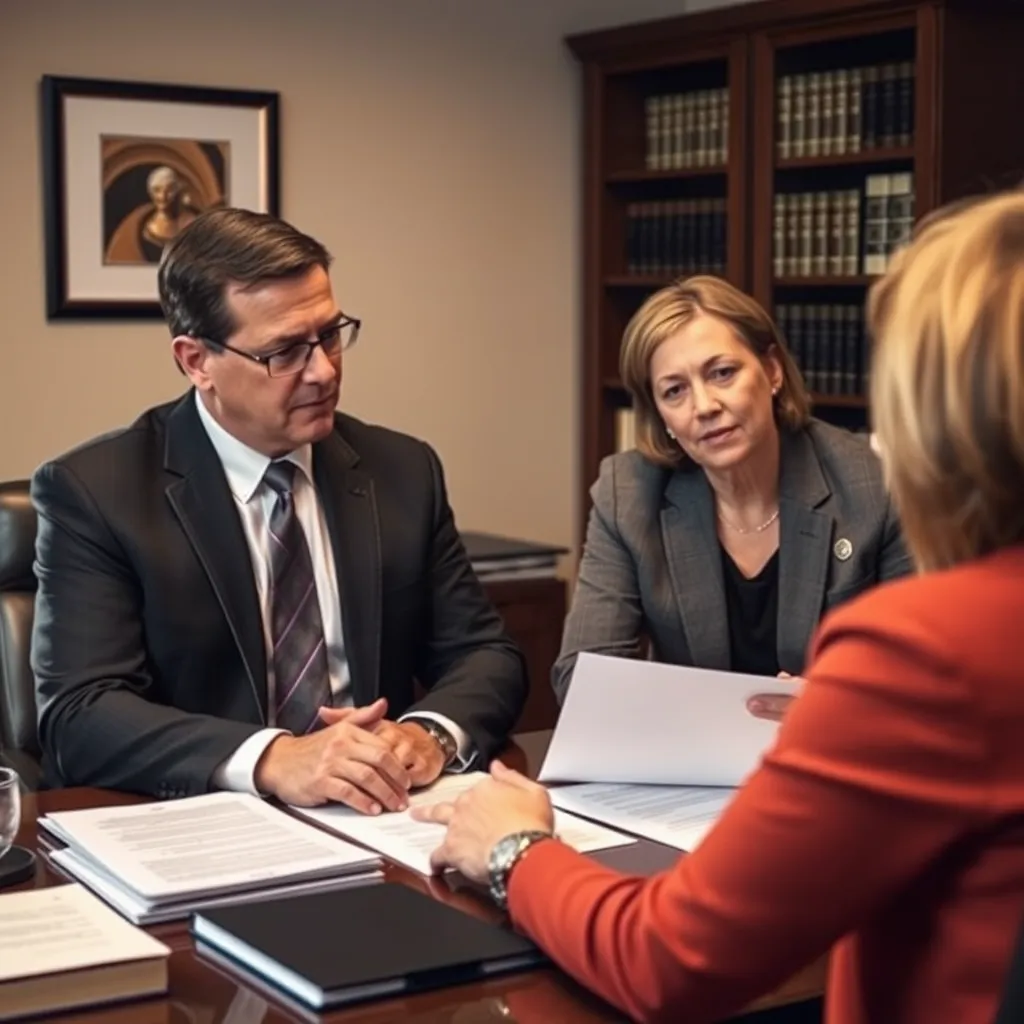
Kinship Adoption Lawyer Falls Church, VA
For families in Falls Church, Virginia, kinship adoption provides a way for grandparents, aunts, uncles, or adult siblings to become the legal parents of a child when biological parents are unable to care for the child. Under Virginia law (Va. Code § 63.2‑1200 et seq.), a relative may petition the Falls Church Circuit Court to adopt the child, creating a permanent legal parent‑child relationship that offers stability and security. The process involves filing a petition, obtaining proper consents or court orders terminating parental rights, completing a home study, and attending a final adoption hearing. Having experienced legal guidance can make a meaningful difference—ensuring all statutory requirements are met and the adoption proceeds as smoothly as possible. Law Offices Of SRIS, P.C., practicing since 1997, represents relatives seeking kinship adoptions in Falls Church and throughout Northern Virginia. Mr. Sris and the firm’s Of Counsel attorneys work with clients from the initial consultation through the final decree, handling petition preparation, coordination with social services, and courtroom advocacy. To discuss your family’s situation and how we can help, call (888) 437‑7747.
What Kinship Adoption Means in Falls Church
Kinship adoption is a legal proceeding through which a close relative—such as a grandparent, aunt, uncle, or adult sibling—becomes a child’s legal parent. Unlike guardianship, which establishes a temporary custodial arrangement, kinship adoption creates a permanent parent‑child relationship and vests the adoptive relative with all parental rights and responsibilities. In Virginia, kinship adoptions are governed by the same statutory framework as other adoptions (Va. Code § 63.2‑1200 et seq.), but the law may allow certain procedural accommodations when the petitioner is a relative, such as flexibility in the home‑study process. The central consideration for the court is the best interests of the child, and the existing bond between the child and the relative is an important factor.
Falls Church is a small independent city within Virginia’s Seventeenth Judicial District, and adoption matters are heard by the Falls Church Circuit Court, located at 300 Park Avenue, Suite 151W, Falls Church, VA 22046. The court reviews petitions, required consents or termination orders, home‑study reports, and any background‑check documentation before entering a final order of adoption. Because adoption law involves detailed procedural rules and strict evidentiary requirements, relatives often benefit from having an attorney who is familiar with the local court and who can prepare the necessary pleadings, coordinate with the Department of Social Services when required, and present the case effectively at the hearing.
How Mr. Sris and the Firm’s Of Counsel Attorneys Handle Kinship Adoption Cases
When a relative contacts Law Offices Of SRIS, P.C. about a kinship adoption, the first step is a consultation to understand the family’s circumstances—the child’s current living situation, the status of each biological parent’s rights, and any existing custody orders. From there, the firm identifies the legal path that fits. If both parents consent, the attorney prepares the necessary consent documents and obtains proper notarization. If a parent’s rights have been terminated by a juvenile court, that order serves as the foundation for the adoption petition. The firm drafts the petition, assembles supporting affidavits, and files the pleading with the Falls Church Circuit Court.
Once the petition is filed, the court will set a hearing date. The firm stays in contact with clients throughout the waiting period, addresses any questions from the court or the guardian ad litem (if one is appointed), and works with home‑study providers to complete the required report. At the hearing, Mr. Sris or an Of Counsel attorney appears with the family, presents the evidence, and answers the judge’s questions. After the court grants the adoption, the firm ensures that the final order is recorded and, if needed, assists with obtaining an amended birth certificate. Throughout the process, the goal is to move the matter toward a final resolution while minimizing the emotional burden on the family.
About Mr. Sris and the Firm’s Of Counsel Attorneys
Mr. Sris, Owner and Founder of Law Offices Of SRIS, P.C., has been representing clients in family law matters since 1997. He is a former prosecutor whose career in the courtroom spans more than two decades, and he brings to every adoption case a disciplined understanding of legal procedure and evidence. Admitted to practice in Virginia, Maryland, the District of Columbia, New Jersey, and New York, Mr. Sris has broad jurisdictional experience that benefits families whose matters may touch more than one state. He works directly with the firm’s Of Counsel attorneys, who contribute additional backgrounds in family law, criminal justice, and civil litigation. Together, they help relatives seeking kinship adoptions navigate the statutory requirements, prepare persuasive petitions, and present a compelling case to the court.
In Falls Church City, the firm has documented 20 case results across all practice areas, with favorable outcomes in all reported instances. Results may vary. Whether your adoption is uncontested or involves a contested termination of parental rights, you can expect thorough preparation and clear communication from the attorneys handling your matter.
Frequently Asked Questions
What is a kinship adoption in Virginia?
A kinship adoption is a legal process by which a relative, such as a grandparent, aunt, uncle, or adult sibling, becomes the child’s legal parent. It establishes a permanent parent‑child relationship under Virginia law (Va. Code § 63.2‑1200 et seq.) and gives the adoptive relative all the rights and duties of a parent, including custody, decision‑making authority, and inheritance rights. The court must find that the adoption serves the child’s best interests and that all statutory prerequisites—including proper consents or termination of parental rights—have been satisfied.
Who qualifies as a relative for kinship adoption in Virginia?
Close relatives who may petition for kinship adoption in Virginia include grandparents, adult siblings, aunts, uncles, and other extended family members. The court will examine the existing relationship between the child and the relative, the reason the biological parents are not caring for the child, and whether granting the adoption is in the child’s best interests. While stepparent adoptions involve a different statutory dynamic, kinship adoption generally applies to relatives by blood or marriage who have a significant role in the child’s life.
Do I need a lawyer for a kinship adoption in Falls Church?
Virginia law does not require an attorney for an adoption, but legal representation is strongly advised because of the detailed procedural rules and the serious legal consequences. An experienced adoption attorney can prepare the petition, ensure that all consents and termination orders are legally sufficient, coordinate the home study, and represent you at the court hearing. Without an attorney, a procedural mistake can delay the adoption or result in a denial that could have been avoided. Our firm guides relatives through every stage of a Falls Church Circuit Court adoption.
What is the difference between kinship adoption and guardianship?
Adoption creates a permanent legal parent‑child relationship, while guardianship is a temporary, court‑supervised arrangement that does not terminate parental rights. In a guardianship, the biological parents may retain some rights and could later seek to regain custody. Kinship adoption severs those rights and vests all parental authority in the adoptive relative. For families seeking long‑term stability and legal clarity, adoption is often the preferred route. Our attorneys can help you evaluate which option best meets your family’s needs.
Can a kinship adoption be contested?
Yes, a biological parent may object to a kinship adoption unless the court has already terminated his or her parental rights. If a parent contests the adoption, the court holds an evidentiary hearing to determine what arrangement serves the child’s best interests. Having a skilled family lawyer is critical in contested proceedings because the court will weigh the parent’s fitness, the child’s bond with the relative, and other statutory factors. Our firm has experience handling contested family matters and works to protect the child’s welfare throughout the litigation.
What happens after the adoption is finalized?
Once the Falls Church Circuit Court enters the final order of adoption, the adoptive relative becomes the child’s legal parent for all purposes. The court clerk prepares the order and, upon request, forwards it to the Virginia Department of Health’s Division of Vital Records so that an amended birth certificate can be issued listing the adoptive parent. The firm follows up with clients to confirm that all post‑adoption steps are completed and that the new parent‑child relationship is properly documented.
For guidance on your specific situation, reach Law Offices Of SRIS, P.C. at (888) 437‑7747.
Our firm serves families throughout Northern Virginia, including Fairfax County, Fairfax City, Prince William County, Manassas, and Manassas Park. Learn more about our family law services in those areas: Fairfax County Family Law Lawyer, Fairfax City Family Law Lawyer, Prince William County Family Law Lawyer, Manassas Family Law Lawyer, Manassas Park Family Law Lawyer.
Additional resources: Virginia Code Title 63.2 (Adoption) | Falls Church Combined Courts | Virginia Department of Social Services — Adoption
Attorney advertising. Prior results do not guarantee a similar outcome. Results may vary.
Case results depend on a variety of factors unique to each case.