
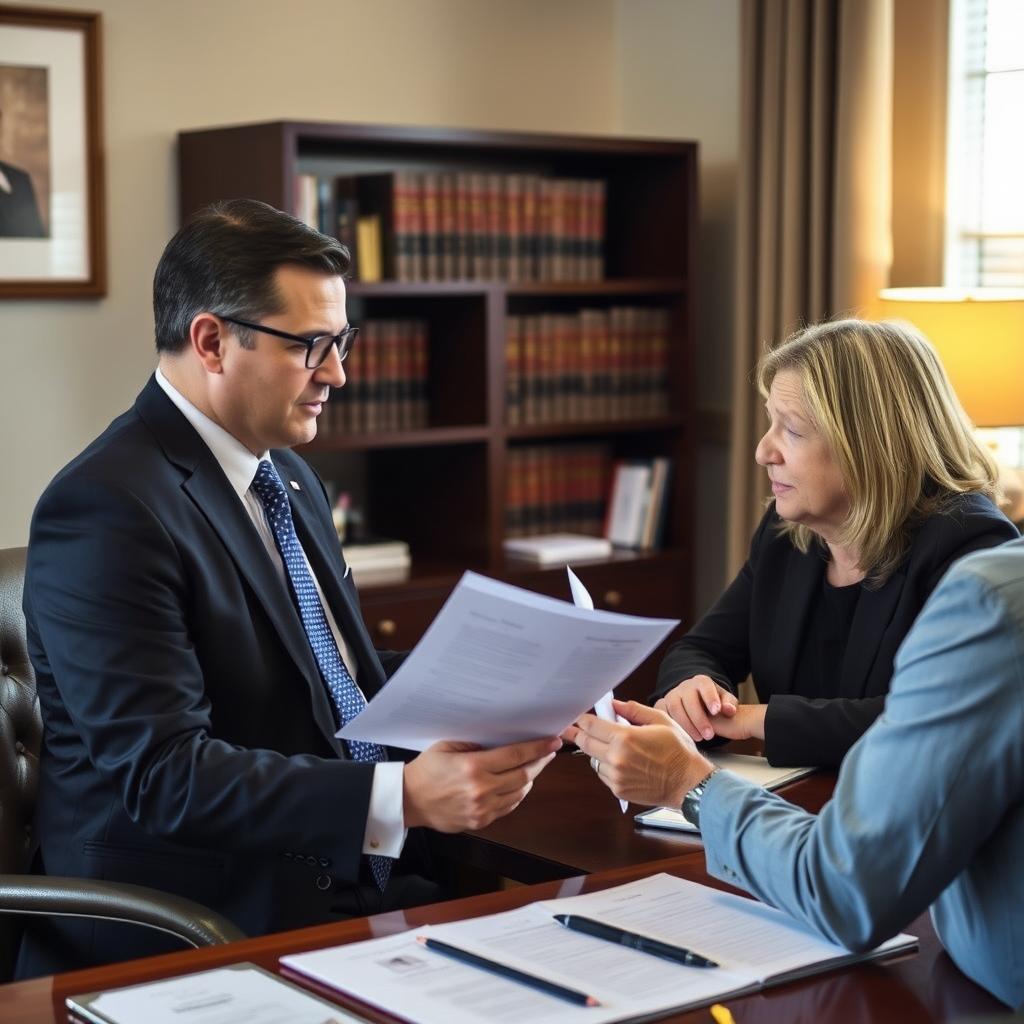
Rehabilitative Alimony Lawyer Prince William County, VA
Rehabilitative alimony allows a financially dependent spouse to receive temporary support while gaining the education or training needed to become self-sufficient. In Prince William County, Virginia, rehabilitative alimony is awarded under Va. Code § 20-107.1, which lists 13 statutory factors the court must weigh. Whether you are seeking support or defending against an unreasonable request, understanding how Prince William County courts evaluate these claims is essential. Mr. Sris and the firm’s Of Counsel attorneys represent clients in rehabilitative alimony matters before the Prince William County Circuit Court and the Prince William County Juvenile and Domestic Relations District Court. To discuss your situation, call (888) 437-7747.
What Rehabilitative Alimony Means in Prince William County, Virginia
Rehabilitative alimony is designed to help a spouse who has been out of the workforce acquire the skills, education, or training necessary to reenter the job market and achieve financial independence. Unlike indefinite or permanent alimony, rehabilitative support is temporary and tied to a specific vocational or educational plan. The court expects the recipient spouse to provide credible evidence of a concrete rehabilitation plan and a realistic timeline for completing it. In Prince William County, these determinations are made by the Circuit Court when part of a divorce proceeding, or by the Juvenile and Domestic Relations District Court when spousal support is sought independently of divorce.
Virginia is an equitable distribution state, and the spousal-support analysis runs parallel to the property-division analysis. The court examines the standard of living established during the marriage, the duration of the marriage, each party’s earning capacity and financial resources, the age and physical condition of each party, and the contributions each party made to the family. A request for rehabilitative alimony must include a plan that shows the court how the support will move the recipient toward self-sufficiency within a defined period. For a spouse who opposes the request, the focus is often on showing that the recipient already possesses marketable skills or that the proposed plan is vague or open-ended. The firm’s attorneys are familiar with the expectations of judges in the 31st Judicial District and can help present a persuasive case whether you are the requesting party or the responding party.
How Mr. Sris and the Firm’s Of Counsel Attorneys Handle Rehabilitative Alimony Cases
Rehabilitative alimony disputes in Prince William County often turn on the quality of the evidence presented regarding earning capacity, the feasibility of the proposed rehabilitation plan, and the financial ability of the paying spouse to provide support while meeting their own needs. Mr. Sris and the firm’s Of Counsel attorneys work with clients to develop a clear, evidence-based record. For the requesting spouse, that may include obtaining vocational evaluations, labor-market data, and cost projections for the intended education or training. For the responding spouse, the approach may involve analyzing the other party’s current earning capacity, their work history, and whether the request goes beyond what is necessary to achieve self-support.
The attorneys appear regularly in the Prince William County Circuit Court and the Juvenile and Domestic Relations District Court, and they understand the procedural requirements unique to those courts. From the initial pleadings through pendente lite hearings and final trial, the team works to protect the client’s financial interests. Every rehabilitative alimony matter is evaluated individually; the firm does not rely on rigid formulas or assumptions about how much support will be awarded. Instead, the attorneys focus on the statutory factors and the specific facts of each case. To speak with an attorney about your rehabilitative alimony matter, call (888) 437-7747.
About Mr. Sris and the Firm’s Of Counsel Attorneys
Mr. Sris is the Owner and Founder of Law Offices Of SRIS, P.C. A former prosecutor, he founded the firm in 1997 and has built a multi-state practice that concentrates on family law, among other areas. Mr. Sris testified before the Virginia House Courts of Justice Committee in support of 2019 HB 635 (chief patron Del. David Bulova). He is admitted to practice in Virginia, Maryland, the District of Columbia, New Jersey, and New York. The firm’s Of Counsel attorneys bring experience in divorce, equitable distribution, and spousal support litigation, including rehabilitative alimony matters handled in Prince William County courts. Collectively, the attorneys focus on delivering comprehensive representation tailored to the client’s individual goals.
Frequently Asked Questions
What is rehabilitative alimony in Virginia?
Rehabilitative alimony is temporary spousal support designed to help a financially dependent spouse gain the education or training needed to become self-supporting. Virginia courts award it under Va. Code § 20-107.1 when a spouse has forgone career opportunities during the marriage. The requesting spouse must present a specific plan showing how the support will lead to employment that provides sufficient income. The goal is to close the gap between the spouse’s current earning capacity and what they could earn after completing the plan. The court may set benchmarks or a fixed end date to ensure the support is temporary and tied to measurable progress.
How does a Virginia court decide whether to award rehabilitative alimony?
The court considers the 13 factors listed in Va. Code § 20-107.1 and weighs whether the requesting spouse has a viable, concrete rehabilitation plan. The judge looks at the duration of the marriage, the standard of living during the marriage, the age and health of each party, each spouse’s financial resources, and the contributions each spouse made to the family. The requesting spouse must demonstrate a real need for support and a realistic path to self-sufficiency. If the plan is too vague or the spouse already has marketable skills, the court may deny rehabilitative support or limit it to a shorter period. Evidence such as vocational assessments and labor-market data often strengthens the request.
Can a rehabilitative alimony order be modified later?
Yes, rehabilitative alimony may be modified if there has been a material change in circumstances, unless the support is part of a property settlement agreement that expressly bars modification. A change in either spouse’s income, the recipient’s failure to diligently pursue the rehabilitation plan, or an unexpected health issue could support a modification motion. In Prince William County, either party can file a motion for modification in the court that issued the original order. The moving party must show that the changed circumstances are significant and were not anticipated at the time of the initial order. An experienced family law attorney can help evaluate whether a modification is appropriate under the facts of your case.
What happens if the recipient spouse does not follow the rehabilitation plan?
If the recipient spouse abandons or unreasonably delays the rehabilitation plan, the paying spouse can ask the court to terminate or reduce the alimony obligation. Virginia courts treat rehabilitative alimony as conditional on the recipient’s good-faith effort to become self-sufficient. The paying spouse would typically file a motion to modify or terminate support, providing evidence that the recipient has not pursued the plan or has intentionally remained underemployed. The court retains jurisdiction to review compliance and may adjust the award if the recipient is not acting in accordance with the purpose of the support. Each case is evaluated on its specific facts, so outcomes vary.
Do I need a lawyer for a rehabilitative alimony case in Prince William County?
You are not legally required to hire a lawyer, but rehabilitative alimony disputes involve legal and financial issues that can have long-term consequences, and having experienced counsel helps protect your rights. The court applies a multi-factor analysis under Va. Code § 20-107.1, and the opposing party will likely be represented. An attorney can develop a rehabilitation plan, gather necessary vocational and financial evidence, and advocate for a fair outcome. Mr. Sris and the firm’s Of Counsel attorneys represent clients in Prince William County and can explain how the local courts typically handle these matters. To discuss your case, call (888) 437-7747.
How do I start the process of seeking or opposing rehabilitative alimony?
If you are seeking rehabilitative alimony, you must include the request in your divorce complaint or a petition for spousal support filed in the appropriate Prince William County court. If you oppose a demand for support, your response should address each of the statutory factors and present evidence of the requesting spouse’s earning capacity. The first step is a consultation to review the facts, including the length of the marriage, each party’s financial situation, and the feasibility of any proposed rehabilitation plan. After that, your attorney can file the necessary pleadings, engage in discovery, and prepare for a hearing. To begin, contact Law Offices Of SRIS, P.C. at (888) 437-7747.
Additional Resources
For authoritative legal information on Virginia spousal support law, visit the Virginia Code Title 20 (family law and domestic relations). General court information for Prince William County is available through the Virginia Judicial System website. These official sources provide the current statutory text and court procedures. Because every family law matter depends on its specific facts, speak with an attorney about your particular situation.
Attorney advertising. Prior results do not guarantee a similar outcome.
Case results depend on a variety of factors unique to each case.