
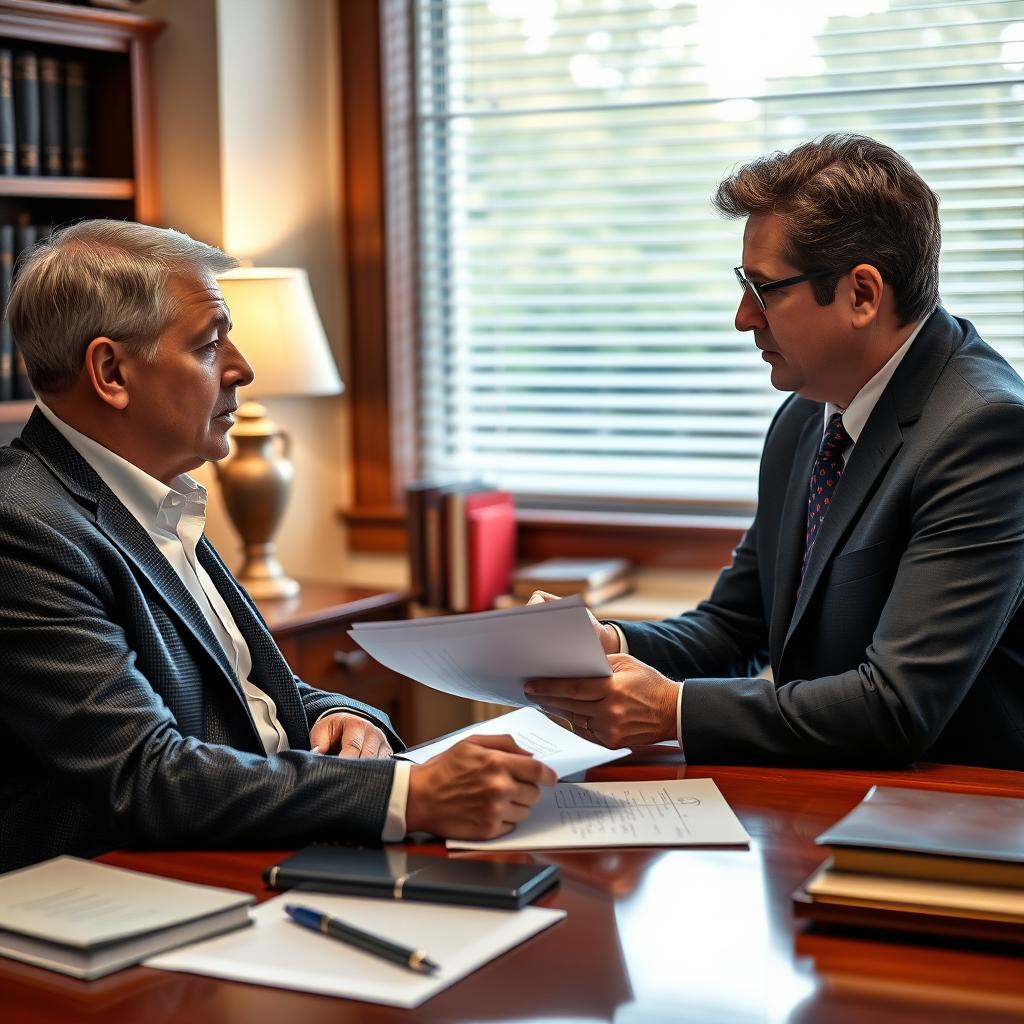
Rehabilitative Alimony Lawyer Manassas, VA
Rehabilitative alimony is a specific form of spousal support available under Virginia law. It is designed to provide a dependent spouse with the financial resources to obtain education, training, or professional development during a limited period, so that the spouse can eventually become self‑supporting. For residents of Manassas, Manassas Park, and the broader Prince William County area, rehabilitative alimony issues are heard in the Manassas Circuit Court at the Thirty‑first Judicial District, located at 9311 Lee Avenue, Suite 230, Manassas, VA 20110. Whether you are seeking rehabilitative support or responding to a request for it, the outcome of your case can shape your financial future and your ability to move forward after divorce. Mr. Sris and the firm’s Of Counsel attorneys handle rehabilitative alimony matters throughout the Manassas region from the firm’s Fairfax location. To schedule a consultation, reach Law Offices Of SRIS, P.C. at (888) 437‑7747. Law Offices Of SRIS, P.C. – Advocacy Without Borders.
What Rehabilitative Alimony Means in Manassas, Virginia
Virginia Code § 20‑107.1 authorizes courts to award spousal support, including rehabilitative alimony, after evaluating a list of statutory factors. Unlike permanent support, rehabilitative alimony is time‑limited and tied to a defined plan—usually a course of study, a vocational certification program, or a phased return to the workforce. The goal is to put the receiving spouse in a position where they no longer need financial assistance, rather than to sustain them indefinitely.
In Manassas, rehabilitative alimony claims are brought as part of a divorce action in the Circuit Court. The court considers the same 13 factors that apply to any spousal support award, including the duration of the marriage, each party’s earning capacity, the standard of living established during the marriage, and the contributions made by each spouse. When a party seeks rehabilitative support, they must present evidence—often through experienced attorney vocational evaluations or educational cost estimates—that demonstrates a realistic pathway to self‑sufficiency. The court then determines whether an award is appropriate and sets the amount and duration accordingly. Because Manassas is served by the Fairfax location of the firm, Mr. Sris and his Of Counsel are able to appear regularly in the Manassas Circuit Court and understand the procedural expectations of the Thirty‑first Judicial District.
How Mr. Sris and His Of Counsel Handle Rehabilitative Alimony Cases
Rehabilitative alimony disputes often involve competing narratives. One side argues that the dependent spouse is capable of becoming self‑supporting within a few years; the other insists that extended support is necessary because of illness, age, or long absence from the workforce. Mr. Sris and the firm’s Of Counsel attorneys approach each case by gathering the financial and vocational evidence needed to present a clear picture to the court. They work with forensic accountants, vocational attorney, and educational planners when necessary to build a record that supports the client’s position.
The firm also negotiates separation agreements that can include a rehabilitative alimony provision without the need for a contested hearing. When an agreement is not possible, Mr. Sris and his Of Counsel are prepared to advocate at trial. Because the firm’s practice is multi‑state, the team is comfortable coordinating with out‑of‑state attorneys or addressing cross‑jurisdictional issues that can arise when a spouse relocates. Every case is handled with attention to the local rules and local court culture that affect how a Manassas judge views rehabilitative support requests.
About Mr. Sris and the Firm’s Of Counsel Attorneys
Mr. Sris is the Owner and Founder of Law Offices Of SRIS, P.C. A former prosecutor, he founded the firm in 1997 and has practiced family law across Virginia for the decades since. He testified before the Virginia House Courts of Justice Committee in support of 2019 HB 635 (chief patron Del. David Bulova). The firm’s Of Counsel attorneys bring experience from a range of backgrounds, including former prosecutorial and law‑enforcement roles, and handle family law matters alongside Mr. Sris. Together, Mr. Sris and his Of Counsel bring extensive combined legal experience. Results may vary.
The firm’s family law practice includes all aspects of divorce, equitable distribution, child custody, child support, and spousal support—including rehabilitative alimony. The attorneys who appear in Manassas courts understand the procedural landscape of the Thirty‑first Judicial District and work to guide clients through each stage of the process. To speak with Mr. Sris or an Of Counsel attorney, call (888) 437‑7747. India is not a signatory to the 1980 Hague Convention on Civil Aspects of International Child Abduction.
Frequently Asked Questions
What is rehabilitative alimony in Virginia?
Rehabilitative alimony is a temporary form of spousal support designed to help a dependent spouse obtain the education or training needed to become self‑supporting. Unlike permanent spousal support, rehabilitative awards are tied to a specific plan and are limited in duration. The court sets the amount and length of the award based on factors in Virginia Code § 20‑107.1, including the spouse’s employability, the time and expense required for retraining, and the standard of living during the marriage.
How do Manassas courts determine whether to award rehabilitative alimony?
A Manassas Circuit Court judge evaluates rehabilitative alimony under the same statutory factors that apply to all spousal support, focusing on whether a realistic path to self‑sufficiency exists. The spouse requesting support must present evidence of a vocational plan, such as a tuition schedule or expert testimony about job‑market prospects. The court considers the marriage duration, each party’s contributions, and any disparity in earning capacity. Because Manassas is part of the Thirty‑first Judicial District, local practice may influence how evidence is received, and an attorney familiar with the court can help present the plan effectively.
How long does rehabilitative alimony last in Virginia?
The duration of rehabilitative alimony varies by case and is tied to the time a judge determines is necessary for the recipient to complete the planned training or education. The court does not impose a fixed statutory cap; instead, it looks at the specific vocational program or timeline presented by the parties. The award may be extended or modified if circumstances change, but it is generally intended to end once the spouse achieves the defined level of self‑sufficiency.
Can rehabilitative alimony be modified after it is ordered?
Yes, a rehabilitative alimony award may be modified if a material change in circumstances occurs, such as an unexpected delay in completing the planned training or a significant change in either party’s financial situation. Either spouse can petition the Manassas Circuit Court for a modification. The requesting party must show that the change is substantial and was not contemplated when the original order was entered. An attorney can advise you on whether your situation qualifies and help you file the appropriate motion.
Do I need a lawyer for rehabilitative alimony in Manassas?
You are not legally required to hire a lawyer, but having an experienced family law attorney significantly improves your ability to present a persuasive case to the court. Rehabilitative alimony disputes often hinge on detailed vocational evidence, financial projections, and statutory factors that are easy to mishandle without legal training. Mr. Sris and the firm’s Of Counsel attorneys can help you gather the necessary documentation, negotiate a fair agreement, or advocate for you at a hearing in the Manassas Circuit Court.
How do I find a rehabilitative alimony lawyer in Manassas?
You can contact Law Offices Of SRIS, P.C. at (888) 437‑7747 to discuss your rehabilitative alimony matter with Mr. Sris or one of the firm’s Of Counsel attorneys. The firm serves Manassas and the surrounding communities from its Fairfax location and has decades of experience handling family law issues throughout Virginia. Consultations are available by appointment, and you can speak with a knowledgeable team member who can explain the process and review your options.
Additional Family Law Resources
For more information about family law in nearby communities, you may also find these pages helpful:
- Prince William County family law attorney
- Fairfax County family law lawyer
- Manassas Park family law attorney
Virginia Primary Sources
The following official resources provide further statutory and court information:
Attorney advertising. Prior results do not guarantee a similar outcome. Results may vary.
Case results depend on a variety of factors unique to each case.