
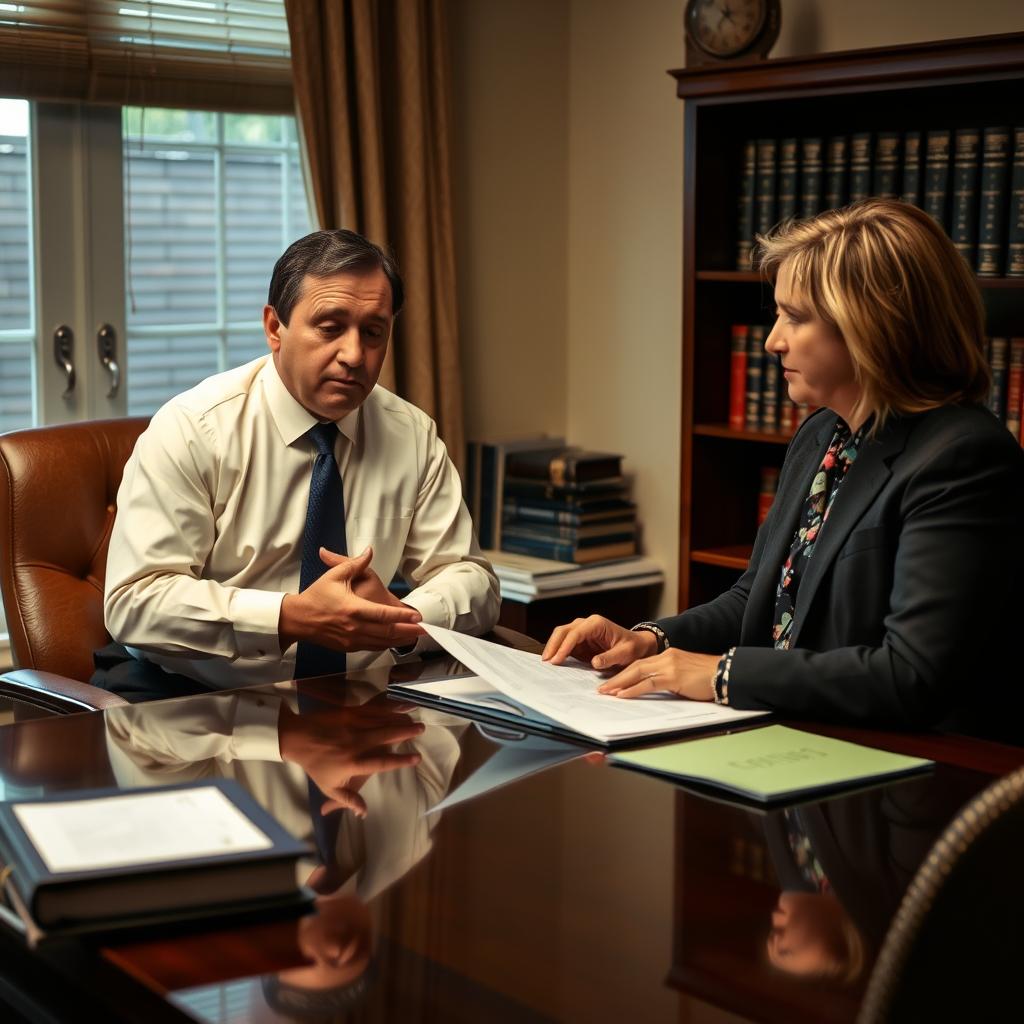
Cruelty Divorce Lawyer Loudoun County, VA
If you are facing a marriage marked by physical cruelty or conduct that causes reasonable apprehension of bodily harm, you may be considering a fault-based divorce in Loudoun County. Under Virginia law, cruelty is a specific ground for divorce from the bond of matrimony, and proving it requires careful preparation of evidence and legal strategy. Clients in Ashburn, Leesburg, Sterling, Purcellville, South Riding, and throughout Northern Virginia turn to Law Offices Of SRIS, P.C. When they need a family law attorney who understands how the Loudoun County Circuit Court and the Juvenile and Domestic Relations District Court handle cruelty divorce petitions. Mr. Sris, Owner and Founder, has practiced family law since 1997, and his Of Counsel team brings extensive combined experience to each case. For a consultation about a cruelty divorce in Loudoun County, reach our location at (888) 437-7747.
Law Offices Of SRIS, P.C. – Advocacy Without Borders.
What Cruelty Divorce Means in Loudoun County
Virginia Code § 20-91 lists cruelty, together with reasonable apprehension of bodily hurt, as one of the fault grounds on which a party may seek an absolute divorce. Unlike a no-fault divorce—which requires a six-month separation if no minor children are involved and the parties have a signed separation agreement, or a one-year separation otherwise—a cruelty divorce does not require the parties to have lived apart. Instead, the spouse seeking the divorce must present evidence that the other spouse’s conduct amounted to cruelty or placed the petitioning spouse in reasonable fear of physical injury.
Loudoun County Circuit Court, located at 18 East Market Street in Leesburg, holds exclusive original jurisdiction over divorce proceedings, including cruelty-based divorces. The same courthouse also handles equitable distribution of marital property under Va. Code § 20-107.3, while the Loudoun County Juvenile and Domestic Relations District Court addresses custody, visitation, and support issues that may arise alongside a divorce. Because cruelty is a fault ground, the court will examine the specific facts of the marriage relationship, including any documentation of physical abuse, threatening communications, or repeated patterns of harmful behavior. A successful cruelty divorce can affect spousal support, property division, and even child custody determinations, making it important to work with an attorney who routinely appears in Loudoun County courts and understands local judicial expectations.
In a cruelty divorce, the burden of proof rests on the party alleging the fault. The evidence must be clear and convincing, which often means presenting witness testimony, medical records, photographs, or electronic communications. The Clerk of the Circuit Court, Tammy Hummer Dinterman, processes divorce complaints, and cases proceed before judges of the Twentieth Judicial District. While each judge applies the same statutory framework, familiarity with the procedural rhythms of the Loudoun County docket can help streamline the filing and hearing process.
How Mr. Sris and His Of Counsel Handle Cruelty Divorce Cases
When a client comes to Law Offices Of SRIS, P.C. Seeking a cruelty divorce in Loudoun County, Mr. Sris and his Of Counsel begin by evaluating the evidence that is available or can be gathered. They examine the legal sufficiency of the cruelty allegations under Va. Code § 20-91, looking for conduct that rises above mere verbal disagreements or isolated heated arguments. Because every case is unique, the legal team assesses whether the evidence supports a cruelty claim or whether an alternative path—such as a no-fault divorce while preserving the ability to argue fault in the equitable distribution context—would better serve the client’s goals.
The procedural path for a cruelty divorce involves filing a complaint in the Loudoun County Circuit Court, serving the defendant spouse, and then proceeding through discovery, possible pendente lite hearings for temporary support and custody, and ultimately a trial if the matter does not settle. Throughout this process, Mr. Sris and his Of Counsel prepare the client for each stage, gather corroborating evidence, and work to protect the client’s financial and parental interests. The team also addresses any protective orders that may be necessary, whether through the Juvenile and Domestic Relations District Court or the Circuit Court, to ensure immediate safety while the divorce is pending.
Because fault grounds can influence spousal support and the division of marital property under Virginia’s equitable distribution statute, the firm’s approach integrates both the divorce litigation and the financial dimensions of the case. Whether the marital estate includes real property in Ashburn or retirement accounts from a federal government or technology employer common in Loudoun County, Mr. Sris and his Of Counsel focus on achieving a resolution that accounts for the long-term impact on the client’s life.
About Mr. Sris and His Of Counsel Team
Mr. Sris, Owner and Founder of Law Offices Of SRIS, P.C., is a former prosecutor who has practiced law since 1997. He is admitted to the bars of Virginia, Maryland, the District of Columbia, New Jersey, and New York, and he concentrates his Virginia family law practice on divorce, custody, support, and equitable distribution matters. Mr. Sris testified before the Virginia House Courts of Justice Committee in support of 2019 HB 635 (chief patron Del. David Bulova). His of Counsel team includes attorneys with decades of combined family law and litigation experience. Together, Mr. Sris and his Of Counsel bring extensive combined legal experience to cruelty divorce cases in Loudoun County. Results may vary.
Clients of the firm work directly with Mr. Sris and his Of Counsel, who handle all aspects of the case from initial filing through trial. The firm’s Ashburn location serves clients throughout Loudoun County, including Ashburn, Leesburg, Sterling, Purcellville, South Riding, Brambleton, Aldie, Hamilton, Lovettsville, Middleburg, and Round Hill. To discuss your cruelty divorce matter, reach our location at (888) 437-7747.
Frequently Asked Questions
What is a cruelty divorce in Virginia?
A cruelty divorce is a fault-based divorce in Virginia where one spouse proves the other engaged in cruelty or caused reasonable apprehension of bodily harm. This ground, set out in Va. Code § 20-91, does not require a period of separation. The petitioner must present clear and convincing evidence of physical cruelty or a credible threat of bodily injury. Courts in Loudoun County look for conduct that goes beyond ordinary marital discord. A cruelty divorce can affect spousal support and property division, as the court may weigh fault when determining equitable distribution under Va. Code § 20-107.3. Because of the heightened evidentiary standard, having an experienced family law attorney is important.
How do I prove cruelty in a Loudoun County divorce?
Proof of cruelty in Loudoun County requires clear and convincing evidence such as medical records, police reports, photographs of injuries, witness testimony, or threatening electronic communications. The Loudoun County Circuit Court will examine the totality of the conduct over time. A single isolated incident, unless especially severe, may not meet the statutory threshold. Mr. Sris and his Of Counsel work with clients to identify and preserve all relevant evidence, including testimony from persons who witnessed the abusive behavior. Protective orders from the Juvenile and Domestic Relations District Court can also serve as evidence in a cruelty divorce.
Does a finding of cruelty affect child custody or property division in Virginia?
Yes, a proven ground of cruelty can influence custody if the conduct had an adverse effect on the child, and it can affect spousal support and equitable distribution. Under Va. Code § 20-124.3, the court must consider any history of family abuse as a factor in custody determinations. For property division, Va. Code § 20-107.3 lists the circumstances and factors contributing to the dissolution of the marriage, including cruelty. A spouse found to have committed cruelty may receive a smaller share of marital assets or be ordered to pay spousal support. Each case is decided on its own facts.
What should I do if my spouse is accusing me of cruelty in a divorce?
If your spouse has filed a cruelty divorce complaint in Loudoun County, you should promptly consult a family law attorney and avoid any communications that could be misconstrued. An experienced attorney can review the allegations, challenge insufficient evidence, and present counter-evidence that the conduct did not rise to statutory cruelty. Because cruelty is a fault ground, the outcome can affect custody, property, and support, making a vigorous defense essential. Do not ignore court deadlines; the Circuit Court expects both sides to participate in the litigation process.
How can a lawyer help with a cruelty divorce case in Loudoun County?
A family law attorney handles every stage of a cruelty divorce, from evaluating the evidence to filing the complaint, conducting discovery, negotiating a resolution, and representing you at trial if needed. In Loudoun County, Mr. Sris and his Of Counsel are familiar with the judges, court staff, and procedural expectations at the Circuit Court and the Juvenile and Domestic Relations District Court. They can advise you whether the evidence supports a cruelty claim and, if so, how to present it most effectively. They also coordinate with any related protective order proceedings to avoid conflicting court orders.
Related Locations: For family law representation in neighboring counties, see our pages for
Family Law Lawyer Fairfax County, VA,
Family Law Lawyer Prince William County, VA,
Family Law Lawyer Stafford County, VA,
Family Law Lawyer Fauquier County, VA, and
Family Law Lawyer Arlington County, VA.
Virginia primary sources:
Virginia Code Title 20 – Domestic Relations |
Loudoun County Circuit Court |
Virginia Judicial System
Attorney advertising. Prior results do not guarantee a similar outcome.
Results may vary.
Case results depend on a variety of factors unique to each case.