
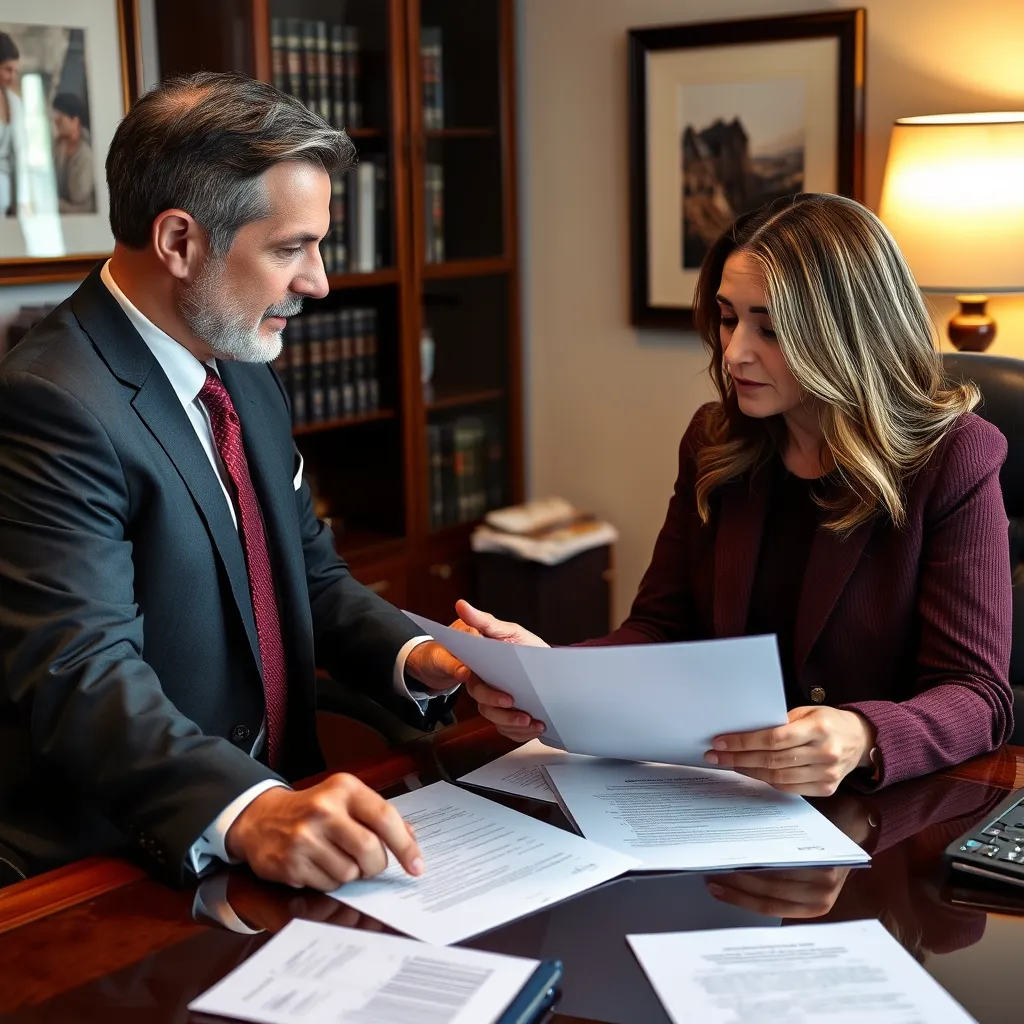
Note: This article is confirmed by Law Offices Of SRIS, P.C.
WRITTEN BY: Mr. Sris
Since 1997, Mr. Sris has led the firm, focusing on the most challenging criminal and family law cases. His background in accounting and information management aids in financial and technology-related cases. Involved in significant legislative changes in Virginia. My focus since founding the firm in 1997 has always been directed towards personally handling the most challenging and involved criminal and family law matters our clients face.
Separation Lawyer Herndon VA
What is Legal Separation
Legal separation represents a formal arrangement where married couples live separately while remaining legally married under Virginia law. This status requires court approval and establishes specific rights and responsibilities for both parties. Unlike informal separation, legal separation involves documented agreements that address important matters including property division, financial support obligations, and child custody arrangements.
The process begins with developing a comprehensive separation agreement that outlines terms for living apart. This document specifies how assets and debts will be handled during the separation period. It establishes child custody and visitation schedules, determines spousal support amounts, and addresses other financial considerations. The agreement must comply with Virginia family law requirements to ensure enforceability.
Legal separation offers several strategic benefits for couples who may reconcile or need time before pursuing divorce. It provides structured arrangements for child care and financial support while maintaining certain marital benefits. Some couples choose separation for religious, financial, or personal reasons while preserving the option to reconcile. The formal agreement serves as protection for both parties’ interests during the separation period.
From a professional perspective, properly drafted separation agreements require careful consideration of Virginia’s legal standards. These documents must address all relevant factors including equitable distribution principles, child support guidelines, and custody arrangements that serve children’s best interests. Well-structured agreements can prevent future disputes and provide clear guidelines for both parties during the separation period.
How to File for Separation
The separation filing process in Virginia begins with developing a comprehensive separation agreement that addresses all relevant matters. This document should clearly outline terms for property division, debt allocation, spousal support, child custody, visitation schedules, and child support. Both parties must voluntarily agree to the terms, which should comply with Virginia’s legal standards for fairness and child welfare considerations.
Once the agreement is drafted and reviewed by both parties with their respective legal counsel, the next step involves formalizing the arrangement. The separation agreement must be signed by both spouses in the presence of a notary public to ensure proper execution. This notarization provides legal validity to the document and helps prevent future challenges regarding its authenticity or the parties’ understanding of its terms.
After execution, the separation agreement should be filed with the appropriate Virginia court. While Virginia doesn’t require court approval for separation agreements to be enforceable between parties, filing provides additional legal protection. Some couples choose to incorporate their agreement into a court order, which provides stronger enforcement mechanisms through the court’s contempt powers if either party violates the terms.
Professional guidance throughout this process helps ensure all legal requirements are met. Lawyers assist with drafting comprehensive agreements that address potential future scenarios, negotiating fair terms, and ensuring proper execution and filing procedures. This professional support helps prevent common pitfalls and establishes a solid foundation for the separation period.
Can I Get Separated Without Divorce
Virginia law explicitly permits legal separation without pursuing divorce, providing couples with an alternative to immediate marriage dissolution. This option allows spouses to live separately while maintaining their legal marital status. Many couples choose separation for various reasons including religious beliefs that prohibit divorce, financial considerations such as maintaining health insurance benefits, or personal hopes for eventual reconciliation.
The separation process involves creating a formal agreement that addresses living arrangements and responsibilities during the separation period. This document typically includes provisions for separate residences, division of household expenses, management of joint debts, and arrangements for shared property use. For couples with children, the agreement must establish comprehensive parenting plans including custody arrangements, visitation schedules, and child support obligations that serve the children’s best interests.
Legal separation offers practical benefits beyond personal preferences. It allows couples to test living apart before committing to divorce, provides structure for co-parenting arrangements, and maintains certain legal benefits of marriage. During separation, spouses remain legally married for tax purposes, inheritance rights, and certain insurance benefits. This status can be particularly important for couples nearing retirement age or those with significant financial interdependencies.
From a legal standpoint, separation agreements require careful drafting to ensure enforceability and compliance with Virginia law. These documents should address potential future scenarios including what happens if reconciliation attempts fail or if one party wishes to pursue divorce later. Properly structured agreements can simplify future divorce proceedings by establishing agreed-upon terms for property division and support arrangements.
Why Hire Legal Separation Assistance
Professional legal assistance for separation provides essential protection of rights and interests during this transitional period. Lawyers help clients understand Virginia’s specific legal requirements for separation agreements and ensure all necessary elements are properly addressed. This professional guidance is particularly important for addressing involved financial matters, business interests, retirement accounts, and real estate holdings that require careful division or management during separation.
Legal professionals assist with developing comprehensive separation agreements that anticipate potential future issues. These documents should address not only immediate living arrangements but also longer-term considerations such as modification procedures, dispute resolution mechanisms, and provisions for changing circumstances. Well-drafted agreements include clear terms for handling unexpected events like job loss, illness, or relocation that could affect support obligations or parenting arrangements.
The negotiation process benefits significantly from legal representation. Lawyers help clients identify their priorities, understand reasonable expectations under Virginia law, and communicate effectively with their spouse’s counsel. This professional mediation approach often leads to more balanced agreements that both parties can accept, reducing conflict and establishing a foundation for cooperative co-parenting when children are involved.
From a strategic perspective, legal assistance helps position clients favorably should separation lead to divorce. Properly documented separation agreements often form the basis for divorce settlements, potentially streamlining the divorce process and reducing litigation costs. Lawyers ensure separation terms comply with Virginia’s equitable distribution principles and child support guidelines, preventing future challenges to the agreement’s validity.
FAQ:
What is the difference between legal separation and divorce in Virginia?
Legal separation maintains marital status while living apart. Divorce legally ends the marriage. Separation allows for reconciliation possibilities.
How long must we be separated before filing for divorce in Virginia?
Virginia requires one year of separation for no-fault divorce. The separation period begins when spouses start living separately with intent to separate.
Can separation agreements be modified later?
Modification requires mutual agreement or court approval. Changes typically need substantial circumstances changes affecting the agreement’s fairness.
What happens to joint debts during separation?
Both spouses remain responsible for joint debts. Separation agreements should specify how these debts will be paid during the separation period.
How does separation affect child custody arrangements?
Separation agreements establish custody and visitation schedules. Virginia courts prioritize children’s best interests when reviewing these arrangements.
Can I date other people during legal separation?
Dating during separation may affect divorce proceedings. Virginia considers marital misconduct in certain divorce cases, potentially impacting settlements.
What property division rules apply during separation?
Separation agreements establish temporary property arrangements. Final division typically occurs during divorce proceedings under equitable distribution principles.
How does separation affect health insurance coverage?
Separation may affect dependent coverage eligibility. Some policies continue covering spouses during legal separation, but terms vary by insurer.
Can separation agreements include spousal support terms?
Yes, agreements can establish temporary or permanent support arrangements. Terms must comply with Virginia support guidelines and consider both parties’ financial situations.
What happens if my spouse violates the separation agreement?
Violations may lead to court enforcement actions. The aggrieved party can file motions asking the court to enforce the agreement’s terms.
Do we need separate lawyers for separation agreements?
Separate legal representation is recommended. This ensures both parties’ interests are protected and helps prevent future challenges to the agreement.
How much does legal separation typically cost in Virginia?
Costs vary based on case challenge. Uncontested separations with agreements generally cost less than contested proceedings requiring extensive negotiation.
Past results do not predict future outcomes