
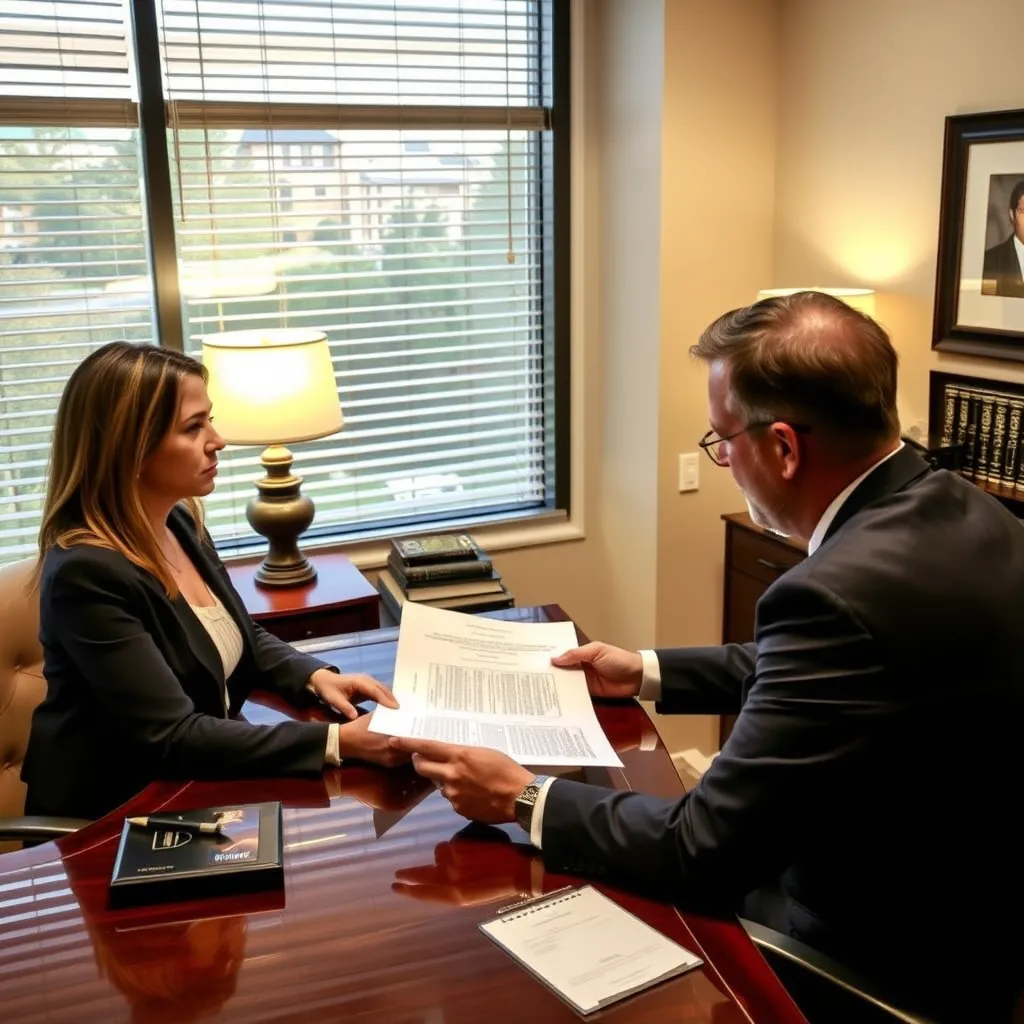
Postnuptial Agreement Lawyer Falls Church, VA
Couples in Falls Church, Virginia, sometimes decide after marriage to clarify their financial rights and obligations through a postnuptial agreement. A well-drafted postnuptial agreement can define property classification, outline spousal support, and reduce uncertainty should the marriage later dissolve. Virginia law, under the Premarital Agreement Act, allows spouses to enter into enforceable postnuptial contracts, but the drafting and execution must meet strict statutory requirements. The Falls Church Circuit Court handles enforcement and related divorce matters for residents of the city. Law Offices Of SRIS, P.C., through its Fairfax location, represents individuals seeking to draft, review, or litigate postnuptial agreements in Falls Church. Mr. Sris, the firm’s Owner and Founder, and the firm’s Of Counsel attorneys bring experience in Virginia family law to each matter. To discuss whether a postnuptial agreement is right for your circumstances, call (888) 437-7747. Law Offices Of SRIS, P.C. – Advocacy Without Borders.
What Postnuptial Agreements Mean in Falls Church, Virginia
A postnuptial agreement is a written contract entered into by spouses after their marriage. Virginia’s Premarital Agreement Act, Va. Code § 20-147 et seq., governs both prenuptial and postnuptial agreements. Although the statute is titled the “Premarital Agreement Act,” it expressly applies to agreements executed after marriage as well. The agreement must be in writing and signed by both parties; no consideration is required other than the marriage itself.
Because Virginia is an equitable distribution state, a court will divide marital property based on fairness when a marriage ends. A postnuptial agreement allows spouses to modify that default framework. They can agree to treat certain assets as separate property, define what is marital, or waive equitable distribution entirely. Spousal support can also be addressed, including waiver or limitation. For the agreement to be enforceable in Falls Church Circuit Court, however, it must be entered into voluntarily, with full and fair disclosure of each spouse’s financial circumstances, and its terms must not be unconscionable at the time of enforcement.
Falls Church is an independent city within the Seventeenth Judicial District. Family law matters involving postnuptial agreements are heard in the Circuit Court, located at 300 Park Avenue, Suite 151W, Falls Church, VA 22046. If a spouse challenges the agreement during a divorce or separate action, the court evaluates the circumstances under which it was executed. Having an attorney who understands the local court’s practices can help a spouse protect the agreement’s validity.
How Mr. Sris and the Firm’s Of Counsel Attorneys Handle Postnuptial Agreement Cases
Mr. Sris, Owner and Founder of Law Offices Of SRIS, P.C., works with the firm’s Of Counsel attorneys to address postnuptial agreements from a comprehensive perspective. The process begins with a thorough review of the couple’s assets, liabilities, income, and objectives. The team ensures that the agreement complies with Virginia’s statutory requirements and discloses all material financial information to both sides. An agreement drafted without full disclosure or under duress risks being set aside by the court.
If a dispute arises, the firm’s attorneys represent clients in enforcement or invalidity proceedings in Falls Church Circuit Court. They argue the enforceability of the agreement under the Premarital Agreement Act, evaluate whether the execution met Virginia’s voluntariness and conscionability standards, and, when necessary, present evidence about the parties’ financial circumstances at the time of signing. The firm’s prior experience with equitable distribution litigation in Virginia courts informs the approach to postnuptial disputes.
About Mr. Sris and the Firm’s Of Counsel Attorneys
Mr. Sris is the Owner and Founder of Law Offices Of SRIS, P.C. A former prosecutor, he founded the firm in 1997 and has practiced family law for the duration of his career. He is admitted in Virginia, Maryland, the District of Columbia, New Jersey, and New York, allowing the firm to serve clients across multiple jurisdictions. Mr. Sris testified before the Virginia House Courts of Justice Committee in support of 2019 HB 635 (chief patron Del. David Bulova), legislation that revised Va. Code § 20-107.3(g) concerning equitable distribution of retirement assets.
The firm’s Of Counsel attorneys collectively possess experience in litigation, family law, and related fields. Their backgrounds include prior service as prosecutors and law enforcement officers, which provides insight into the dynamics of contested cases. When handling a postnuptial agreement matter, Mr. Sris and the firm’s Of Counsel attorneys collaborate to analyze the client’s goals, draft a legally sound agreement, and, if necessary, advocate in Falls Church courtrooms. The firm’s Fairfax location serves the Falls Church community by appointment. Call (888) 437-7747 to schedule a consultation.
Frequently Asked Questions
What is a postnuptial agreement in Virginia?
A postnuptial agreement is a written contract between spouses, entered into after marriage, that governs property division, spousal support, and other financial matters upon separation or divorce. Virginia law authorizes these agreements under the Premarital Agreement Act, Va. Code § 20-147 et seq. The agreement must be signed by both parties and made with full financial disclosure. It can modify the default rules of equitable distribution and define what constitutes separate versus marital property. The Falls Church Circuit Court enforces valid postnuptial agreements.
Do I need a lawyer to draft a postnuptial agreement in Falls Church?
You are not legally required to hire a lawyer to draft a postnuptial agreement in Virginia, but doing so helps ensure the agreement is enforceable and addresses your specific financial situation. A self-drafted agreement that omits material assets, fails to disclose debts, or is signed under duress is vulnerable to being overturned. An attorney can confirm compliance with Va. Code § 20-147 et seq., guide the disclosure process, and advise on whether the terms are conscionable. The firm’s Fairfax location assists Falls Church residents in preparing postnuptial agreements tailored to their needs.
How is a postnuptial agreement enforced in Virginia?
If one spouse fails to comply with a postnuptial agreement, the other spouse can file an action in Falls Church Circuit Court seeking enforcement. The court will examine whether the agreement was executed voluntarily, with adequate financial disclosure, and whether its terms are not unconscionable. If the court finds the agreement valid, it will enforce the property division, spousal support provisions, or other applicable terms. The court may also consider whether circumstances have changed so significantly that enforcement would be unjust.
Can a postnuptial agreement be modified or revoked?
Yes, a postnuptial agreement can be modified or revoked by a subsequent written agreement signed by both spouses. The modification must comply with the same statutory requirements as the original agreement. A court may also set aside the agreement if it was procured by fraud, duress, or is unconscionable. Spouses who wish to update their postnuptial agreement after a change in financial circumstances should consult an attorney to ensure the new terms are properly documented and enforceable.
What makes a postnuptial agreement invalid in Virginia?
A postnuptial agreement may be declared invalid if it was not entered into voluntarily, lacked full and fair financial disclosure, or contains terms that are unconscionable at the time of enforcement. The Falls Church Circuit Court evaluates factors such as whether each spouse had independent legal advice, the timing of the execution relative to the marriage, and any evidence of coercion. An agreement that encourages divorce or violates public policy may also be unenforceable.
How do I get started with a postnuptial agreement in Falls Church?
To begin, contact Law Offices Of SRIS, P.C. at (888) 437-7747 to schedule a consultation. An attorney will discuss your objectives, review your financial situation, and explain how Virginia law applies. The firm’s Fairfax location sees clients by appointment and can draft a postnuptial agreement that reflects your intentions while complying with the Premarital Agreement Act. Early planning helps avoid disputes and ensures the agreement stands up in court.
Additional Resources
Virginia law governing postnuptial agreements: Virginia Code Title 20. Falls Church Circuit Court information: Falls Church Circuit Court.
Also Serving:
Attorney advertising. Prior results do not guarantee a similar outcome. Results may vary.
Case results depend on a variety of factors unique to each case.