
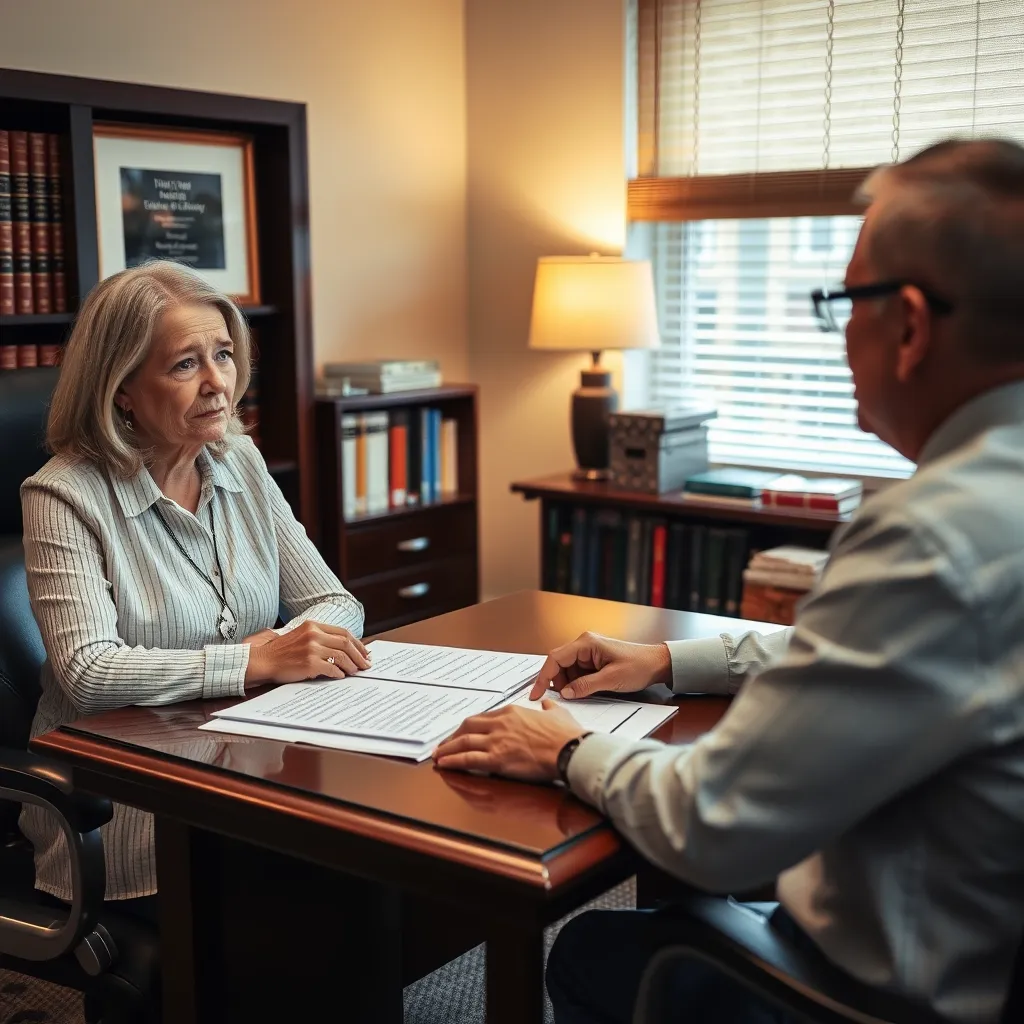
Kinship Guardianship Lawyer Falls Church, VA
Kinship guardianship provides a legal framework for a child to live with a relative or a family friend when the child’s parents are unable to care for them. In Falls Church, Virginia, these matters carry serious legal weight: they affect parental rights, ongoing family relationships, and a child’s long‑term stability. A kinship guardianship lawyer can help a petitioner navigate the statutory requirements, represent the child’s best interests, and address any challenges from the parents or other interested parties. Mr. Sris, Owner and Founder of Law Offices Of SRIS, P.C., concentrates his practice on family law matters, including kinship guardianship proceedings in the Falls Church Juvenile and Domestic Relations District Court and the Falls Church Circuit Court. The firm’s Of Counsel attorneys also bring extensive combined legal experience to these sensitive cases. To request a consultation, call (888) 437‑7747. Law Offices Of SRIS, P.C. – Advocacy Without Borders.
What Kinship Guardianship Means in Falls Church, Virginia
A kinship guardianship is a court‑ordered arrangement that places a child with a family member — a grandparent, aunt, uncle, or adult sibling — or with another adult who has a significant relationship with the child. In Virginia, kinship guardianship is governed primarily by Va. Code § 64.2‑2000 et seq. The court’s focus is the child’s safety, welfare, and the preservation of family ties when possible. Unlike adoption, kinship guardianship does not permanently terminate parental rights, although it may suspend or limit them while the guardianship remains in effect.
Proceedings in Falls Church are typically initiated in the Falls Church Juvenile and Domestic Relations District Court, which handles custody, visitation, and support issues, or in the Falls Church Circuit Court when the matter arises in the context of a divorce or equitable distribution case. The court at 300 Park Avenue, Suite 151W, Falls Church, Virginia, hears these matters. Falls Church, an independent city within the Seventeenth Judicial District, is served by the firm’s Fairfax location. Mr. Sris and the firm’s Of Counsel attorneys appear regularly in both courts and understand how local judges apply the statutory factors to kinship guardianship petitions.
Virginia courts consider a range of factors when deciding whether to grant a kinship guardianship, including the child’s relationship with the proposed guardian, the ability of the guardian to meet the child’s needs, the wishes of the child if of suitable age, and any history of family abuse. The law also requires that the proposed guardian be found suitable and that the arrangement serves the child’s best interests. Because a kinship guardianship can alter parental rights and responsibilities, the process demands careful preparation and a thorough presentation of evidence.
How Mr. Sris and the Firm’s Of Counsel Attorneys Handle Kinship Guardianship Cases
Every kinship guardianship matter begins with a detailed review of the family’s circumstances. Mr. Sris and the firm’s Of Counsel attorneys work to understand why the child is not in the parents’ care, what the proposed guardian can offer, and whether the parents consent or contest the petition. The legal team helps gather the necessary documentation — including background information, financial records, and character references — and prepares the petition for the Falls Church Juvenile and Domestic Relations District Court or the Circuit Court.
When a petition is contested, the court may appoint a guardian ad litem to represent the child’s interests, and multiple hearings may be necessary. The lawyers at Law Offices Of SRIS, P.C. Argue the case before the judge, present witness testimony, and cross‑examine opposing witnesses. Throughout the process, they keep the proposed guardian informed of the court’s requirements and the realistic outcomes under Virginia law. If the court grants the guardianship, the firm helps the guardian understand ongoing reporting obligations; if the court denies it, they discuss the possibility of appeal or alternative custody arrangements. At every stage, Mr. Sris and the firm’s Of Counsel attorneys work toward a resolution that protects the child and respects the family’s relationships.
About Mr. Sris and the Firm’s Of Counsel Attorneys
Mr. Sris, Owner and Founder of Law Offices Of SRIS, P.C., is a former prosecutor who has practiced family law since founding the firm in 1997. He is admitted in Virginia, Maryland, the District of Columbia, New Jersey, and New York. His experience includes complex custody and guardianship disputes in Northern Virginia, and he is familiar with the procedures and judicial expectations in the Falls Church courts. Mr. Sris testified before the Virginia House Courts of Justice Committee in support of 2019 HB 635 (chief patron Del. David Bulova), demonstrating his commitment to the evolution of Virginia family law.
The firm’s Of Counsel attorneys bring extensive combined legal experience and contribute their own backgrounds in litigation, family law, and child‑welfare matters. Collectively, Mr. Sris and the Of Counsel attorneys have documented case results across all practice areas since 1997. Results may vary. in a particular case. Together, they approach each kinship guardianship with the seriousness it deserves, balancing legal advocacy with sensitivity to the emotional dynamics involved. For a consultation, call (888) 437‑7747.
Frequently Asked Questions
What is the difference between kinship guardianship and adoption in Falls Church?
Kinship guardianship does not permanently terminate the biological parents’ rights, while adoption does. In a kinship guardianship, the child’s parents may retain some rights, such as visitation, and may petition to end the guardianship if circumstances change. Adoption severs the legal parent‑child relationship entirely and gives the adoptive parent all parental rights, including the right to make all major decisions for the child. Both proceedings are heard in Falls Church courts, but the legal standards and long‑term consequences differ significantly. An experienced family law attorney can explain which option best fits your family’s situation under Virginia law.
Who can file for kinship guardianship in Falls Church, Virginia?
A relative of the child — such as a grandparent, aunt, uncle, or adult sibling — or an adult who has a significant pre‑existing relationship with the child may file a petition for kinship guardianship in Falls Church. The court will examine the nature and length of the relationship, the proposed guardian’s ability to care for the child, and the reasons why the parents cannot currently serve as the child’s primary caretakers. The petition is filed in the Falls Church Juvenile and Domestic Relations District Court or, if related to an ongoing divorce or custody case, in the Falls Church Circuit Court. A lawyer can assess whether the petitioner has standing to bring the case.
How long does a kinship guardianship case take in Falls Church?
The timeline for a kinship guardianship case depends on whether the parties agree, the court’s calendar, and the complexity of the circumstances. An uncontested petition where all parties — including the parents — consent may be resolved in a matter of months after filing. Contested matters, especially those that involve allegations of parental unfitness or a guardian ad litem investigation, can take considerably longer. The court schedules hearings based on its docket, and continuances are common. Mr. Sris and the firm’s Of Counsel attorneys help clients understand the expected timeline based on the specifics of their case and work to move the matter forward efficiently.
Can a parent regain custody after a kinship guardianship is granted in Virginia?
Yes, a parent can petition the court to terminate or modify a kinship guardianship if they can show that the conditions that led to the guardianship have materially changed and that ending the guardianship is in the child’s best interests. The Falls Church Juvenile and Domestic Relations District Court retains jurisdiction to review the guardianship and will consider evidence of the parent’s improved circumstances, the child’s adjustment to the guardian’s home, and any recommendations from a guardian ad litem. Because the legal standard is high — the court acts to protect the child’s stability — anyone seeking to end a kinship guardianship should consult an experienced family law attorney to evaluate the likelihood of success.
Do I need a lawyer for a kinship guardianship case in Falls Church?
You are not legally required to have a lawyer to file a kinship guardianship petition, but the process involves strict procedural rules, detailed paperwork, and court hearings where legal representation can significantly affect the outcome. The Falls Church courts expect petitioners to present evidence, question witnesses, and respond to legal arguments. An attorney can ensure that the petition is properly drafted, that all required documents are filed, and that the petitioner’s case is presented persuasively. When parents contest the guardianship, having a lawyer becomes especially important to protect the child’s interests and the proposed guardian’s rights. For guidance on your specific situation, reach Law Offices Of SRIS, P.C. at (888) 437‑7747.
What factors does the Falls Church court consider in a kinship guardianship case?
Virginia courts consider the child’s relationship with the proposed guardian, the guardian’s ability to provide a safe and stable home, the child’s wishes if of suitable age, any history of family abuse or neglect, and the overall best interests of the child. The court also examines the parents’ circumstances and whether the guardianship is a necessary intervention. The Falls Church Juvenile and Domestic Relations District Court applies the statutory factors under Va. Code § 64.2‑2000 et seq. And may appoint a guardian ad litem to investigate and report to the court. An attorney can help a proposed guardian present evidence on each factor and respond to any adverse findings. To discuss the details of your matter, contact Law Offices Of SRIS, P.C. at (888) 437‑7747.
Attorney advertising. Prior results do not guarantee a similar outcome.
Case results depend on a variety of factors unique to each case.
Results may vary.