
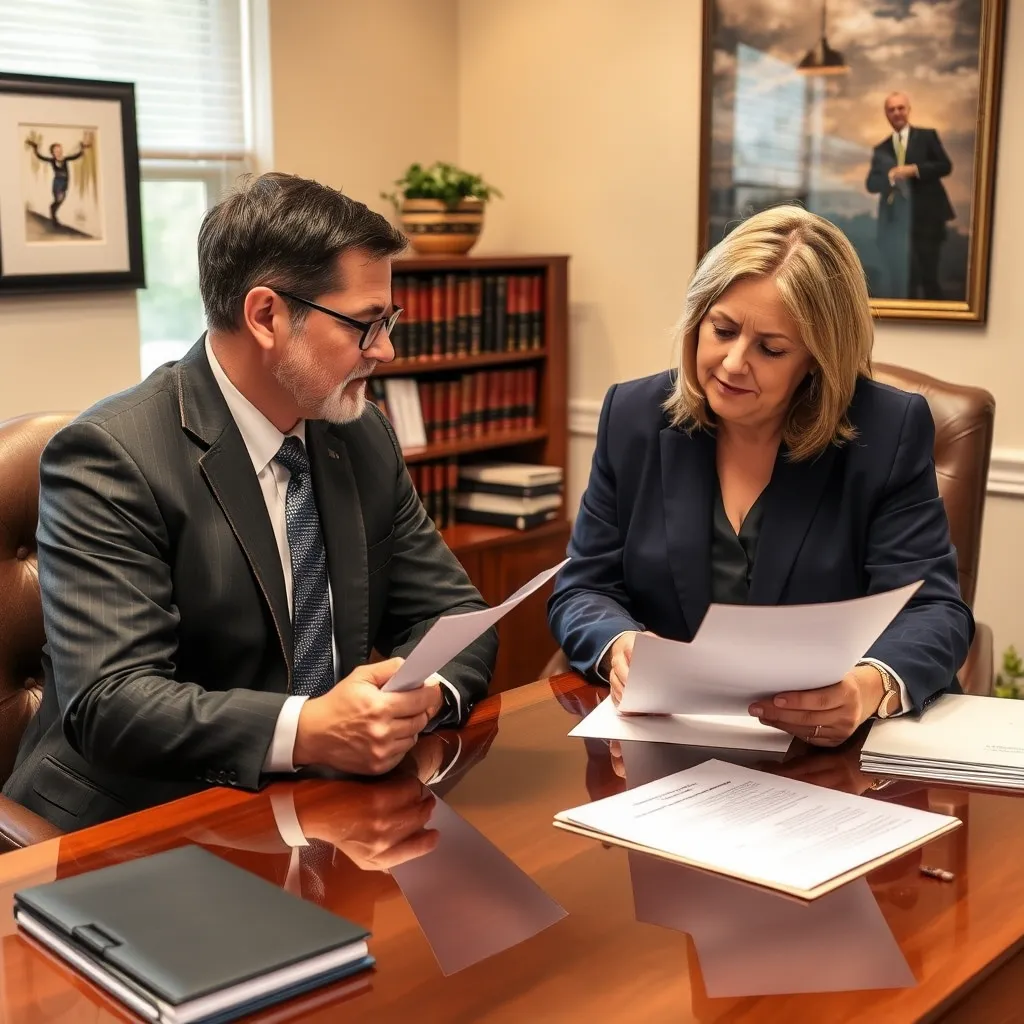
Child Guardianship Lawyer Falls Church, VA
When a child in Falls Church, Virginia needs a legal guardian—whether because parents are unable to care for the child, a relative steps forward, or a family crisis requires court intervention—the process is guided by Virginia law. The firm’s attorneys appear regularly in the Falls Church Juvenile and Domestic Relations District Court and the Falls Church Circuit Court, the two courts that handle child‑related matters in the independent City of Falls Church. Mr. Sris, Owner and Founder of Law Offices Of SRIS, P.C., and the firm’s Of Counsel attorneys bring extensive combined legal experience to child guardianship cases, working with families to navigate petitions, home studies, and hearings. If you are considering guardianship or responding to a petition, call (888) 437‑7747 to request a consultation. Law Offices Of SRIS, P.C. – Advocacy Without Borders.
What Child Guardianship Means in Falls Church, Virginia
Child guardianship in Falls Church—as in all of Virginia—is a legal arrangement where a court appoints a responsible adult to care for a minor’s personal and/or financial needs when the child’s parents are unavailable, incapacitated, or deceased. The proceeding is governed primarily by Title 64.2 of the Virginia Code and, in certain family-law contexts, by provisions of Title 20. Unlike adoption, guardianship does not sever the legal parent‑child relationship; instead, it grants the guardian the authority to make day‑to‑day decisions for the child while the parents’ rights may remain intact or be suspended.
Every guardianship matter is heard in the Circuit Court. In Falls Church, that means the Falls Church Circuit Court, located at 300 Park Avenue, Suite 151W. Because the City of Falls Church is an independent city, its court system is separate from neighboring Fairfax County, though our Fairfax location regularly serves clients at the Falls Church courts. Cases sometimes begin with an emergency petition when the child’s immediate safety is at stake, or proceed as a standard petition after notice to interested parties. The court applies the “best interests of the child” standard, evaluating factors such as the child’s relationship with the proposed guardian, the stability of the home environment, and any history of abuse or neglect. The clerk’s office handles scheduling; our firm can assist with determining which forms and supporting documents the court requires.
How Mr. Sris and His Of Counsel Handle Child Guardianship Cases
The process typically starts with a consultation. Mr. Sris and the firm’s Of Counsel attorneys listen to your situation, identify the appropriate type of guardianship—full guardianship of the person, guardianship of the estate, or a temporary arrangement—and explain what the court will likely ask for. They then prepare and file the petition in the Falls Church Circuit Court, along with any affidavits, proposed findings of fact, and orders. If the court directs a home study or a guardian ad litem investigation, the firm coordinates with those professionals to ensure the court receives complete information.
At the hearing, an attorney from the firm presents the case, examines witnesses, and addresses any objections raised by other family members or the child’s parents. Because Virginia law allows parents to contest a guardianship petition, contested hearings sometimes arise. In those situations, the firm’s experience in family law litigation—handling custody disputes, protective‑order hearings, and other adversarial family matters—helps protect the child’s interests while respecting the rights of all parties. After the hearing, the firm works to obtain a final order and, when appropriate, advises guardians on ongoing reporting responsibilities, such as annual filings required by the court.
About Mr. Sris and the Firm’s Of Counsel Attorneys
Mr. Sris, Owner and Founder of Law Offices Of SRIS, P.C., has practiced since 1997. He is a former prosecutor, a background that informs his approach to courtroom proceedings. He has testified before the Virginia House Courts of Justice Committee in support of 2019 HB 635 (chief patron Del. David Bulova). Together with the firm’s Of Counsel attorneys, Mr. Sris represents families in a wide range of family law matters, including child guardianship, custody, and support. The firm’s attorneys are admitted in Virginia, Maryland, the District of Columbia, New Jersey, and New York. Results may vary.
Frequently Asked Questions
Who can be appointed as a child’s guardian in Virginia?
A court may appoint any adult the judge finds suitable and able to serve the child’s best interests, including a relative, family friend, or other qualified person. Virginia law does not limit guardianship appointments to family members, though the court often prefers a close relative when one is available and willing. The court examines the proposed guardian’s background, home environment, and ability to meet the child’s physical, emotional, and educational needs. If the child is over a certain age, the judge may also consider the child’s preference.
What is the difference between guardianship and custody in Virginia?
Guardianship gives an adult the legal authority to make decisions for a child, while custody refers to the right to have the child live with you and make day‑to‑day parenting choices. In many cases, a guardian also has physical custody, but the two concepts are legally distinct. Custody orders are entered in Juvenile and Domestic Relations District Court, while guardianship petitions are heard in Circuit Court. A person who is both the child’s guardian and custodian holds a broader set of rights and responsibilities than a person with only one role.
How does the Falls Church court decide whether to grant a guardianship?
The Falls Church Circuit Court applies the “best interests of the child” standard, weighing factors such as the child’s age, the relationship with the proposed guardian, the home’s stability, and the parents’ current ability to care for the child. Virginia law also requires that all interested parties—including the child’s parents, if living—receive notice of the petition and have an opportunity to be heard. If a parent objects, the court holds an evidentiary hearing and decides based on the evidence presented. The judge may order a home study or appoint a guardian ad litem to represent the child’s interests during the proceeding.
Can a parent revoke or object to a guardianship?
Yes, a parent has the right to object to a guardianship petition and, once a guardianship is in place, to petition the court to terminate the guardianship if circumstances change. The court will consider whether the parent has remedied the conditions that led to the guardianship and whether termination of the guardianship serves the child’s best interests. If the parent’s objection is raised early, the guardianship proceeding becomes a contested matter, and both sides present evidence. The firm’s attorneys represent clients on either side of this issue.
What ongoing duties does a guardian have after appointment?
A guardian of the person must provide for the child’s daily care, education, and medical needs, while a guardian of the estate must manage the child’s finances and report to the court annually. In many cases, the guardian files an annual report accounting for the child’s welfare and any expenditures of the child’s assets. The guardian must also keep the court informed of address changes and any major decisions that affect the child’s long‑term interests, such as a proposed relocation outside Virginia.
Do I need a lawyer to file for child guardianship in Falls Church?
You are not required by law to hire an attorney, but the guardianship process involves detailed pleadings, strict notice requirements, and a formal hearing, and an attorney can help ensure the petition is correctly prepared and presented. Mistakes in the paperwork or failure to serve all required parties can delay the matter or result in dismissal. Because the court focuses on the child’s best interests, having counsel to gather and present the relevant evidence tends to move the case forward more efficiently. For guidance on your specific situation, reach Law Offices Of SRIS, P.C. at (888) 437‑7747.
Related family law services in surrounding localities: Fairfax County family lawyer · Fairfax City family lawyer · Prince William County family lawyer
Virginia child guardianship statutes: Virginia Code Title 64.2 — Guardians and Conservators · Virginia court system: Virginia’s Judicial System
Attorney advertising. Prior results do not guarantee a similar outcome. Results may vary.
Case results depend on a variety of factors unique to each case.