
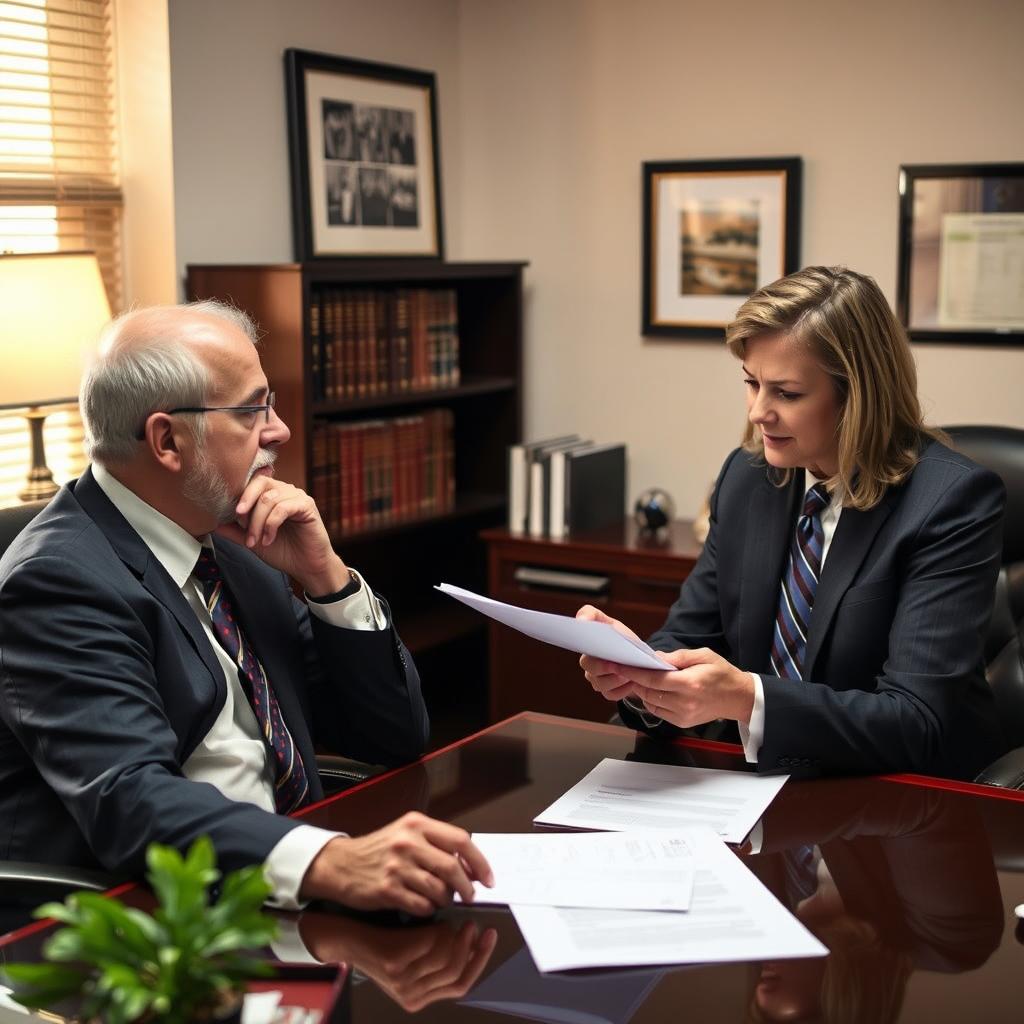
Construction Dispute Lawyer Prince William County
A construction dispute lawyer Prince William County handles legal conflicts arising from building projects. These cases involve contract breaches, payment issues, and defective work. Law Offices Of SRIS, P.C. —Advocacy Without Borders. provides focused legal representation for contractors, subcontractors, and property owners. Resolving these disputes requires knowledge of Virginia construction law and local court procedures. (Confirmed by SRIS, P.C.)
Statutory Definition of Construction Disputes in Virginia
Virginia law governs construction disputes through contract law, the Virginia Uniform Statewide Building Code, and specific statutes like the Virginia Contractor Transaction Recovery Act. Key statutes include Va. Code § 54.1-1115 (contractor licensing) and Va. Code § 43-13 (mechanic’s liens). These laws define obligations for performance, payment, and remedies for defective work. Violations can lead to civil lawsuits for damages, injunctions, or license revocation by the Virginia Board for Contractors.
Construction law in Virginia is not codified under a single statute. It is a combination of common law principles and specific statutory provisions. The Virginia Uniform Statewide Building Code sets minimum standards for construction. Contractual agreements form the primary basis for most legal claims. A breach occurs when a party fails to perform as promised. Defective work claims often cite violations of the building code or industry standards. Payment disputes frequently invoke Virginia’s mechanic’s lien laws. These liens provide security for contractors and subcontractors who are not paid.
The Virginia Contractor Transaction Recovery Act offers a potential remedy for homeowners. It applies against licensed contractors who cause monetary loss due to improper conduct. The Virginia Board for Contractors regulates licensing and can take disciplinary action. Legal actions are typically civil, not criminal. The goal is to recover financial losses or compel specific performance. Understanding these intersecting laws is critical for any construction dispute lawyer Prince William County.
What is the primary law for contractor disputes in Virginia?
Contract law is the primary framework for contractor disputes in Virginia. The terms of the written or oral agreement control the parties’ rights. Virginia courts enforce these contracts according to their plain language. Statutory laws like the Virginia Mechanic’s Lien Act provide additional remedies. The Virginia Uniform Statewide Building Code establishes performance standards. A breach of contract claim is the most common legal action filed.
Can a homeowner sue for construction defects in Prince William County?
Yes, a homeowner can sue for construction defects in Prince William County. The legal basis is typically breach of contract or breach of warranty. Claims may also allege negligence or violation of the Virginia Building Code. The homeowner must prove the defect exists and caused damages. The recoverable damages include repair costs, diminished property value, and related expenses. The statute of limitations for such claims is generally five years.
What is a mechanic’s lien in Virginia construction law?
A mechanic’s lien is a statutory security interest in real property. It secures payment for labor, materials, or services provided for construction. Virginia’s mechanic’s lien laws are found in Title 43 of the Virginia Code. Contractors and subcontractors must follow strict procedures to perfect a lien. This includes sending specific notices and filing the lien in the county land records. An enforceable lien can force the sale of the property to satisfy the debt.
The Insider Procedural Edge in Prince William County
Construction dispute cases in Prince William County are heard in the Prince William County General District Court or Circuit Court. The General District Court handles claims under $25,000, while the Circuit Court handles larger claims and appeals. The courthouse address is 9311 Lee Avenue, Manassas, VA 20110. Filing fees vary based on the claim amount and court. Procedural rules require strict adherence to pleading and discovery deadlines. Learn more about Virginia legal services.
The Prince William County court dockets are often crowded. Scheduling hearings and trials requires strategic planning. Local rules may mandate alternative dispute resolution before trial. Mediation or arbitration is frequently ordered by the court. Judges in Prince William County expect parties to be prepared and professional. Documenting all communications and contract changes is essential. A clear timeline of the project and the dispute strengthens your position.
Filing a lawsuit initiates a formal process with specific phases. The complaint must state a valid legal claim with supporting facts. The defendant must file a responsive pleading within 21 days. The discovery phase allows both sides to gather evidence through interrogatories and depositions. Pre-trial motions can resolve or narrow the issues. Most cases settle before reaching a full trial. Having a construction dispute lawyer Prince William County familiar with this local process is a significant advantage.
Which court handles construction disputes in Prince William County?
The Prince William County General District Court handles smaller construction disputes under $25,000. The Prince William County Circuit Court has jurisdiction over claims exceeding $25,000. The Circuit Court also hears appeals from the General District Court. The choice of court impacts procedures, timelines, and potential remedies. Your attorney will determine the proper venue based on the claim’s nature and value.
What is the typical timeline for a construction lawsuit?
A construction lawsuit timeline in Prince William County typically spans several months to over a year. The initial filing and service of process takes a few weeks. The discovery phase can last four to eight months. Pre-trial motions and settlement negotiations occur throughout. If the case proceeds to trial, scheduling can add several more months. Complex cases with multiple parties or experienced attorneys take longer. Early legal intervention can sometimes accelerate resolution.
Are there pre-trial requirements for construction cases?
Yes, Prince William County courts often require pre-trial alternative dispute resolution. Parties may be ordered to attend mediation with a neutral third party. Some construction contracts have mandatory arbitration clauses. The court may also schedule pre-trial conferences to simplify issues. Failure to comply with these requirements can result in sanctions. These steps are designed to encourage settlement without a costly trial.
Penalties & Defense Strategies for Construction Disputes
The most common penalty in a construction dispute is a monetary judgment for damages. The losing party may be ordered to pay the prevailing party’s costs. The court can also issue injunctions to stop work or compel action. In cases of fraud or willful misconduct, punitive damages may be awarded. A contractor may face license suspension or revocation by the state board. Learn more about criminal defense representation.
| Offense / Outcome | Penalty / Remedy | Notes |
|---|---|---|
| Breach of Contract | Monetary damages for losses. | Includes cost of repair, completion, or difference in value. |
| Mechanic’s Lien Enforcement | Forced sale of property to satisfy debt. | Requires strict adherence to statutory notice and filing deadlines. |
| Building Code Violation | Fines, injunctions, mandatory corrections. | Issued by local building officials; can halt project. |
| License Violation | Fines, suspension, revocation by VA Board. | Follows an administrative complaint process. |
| Fraud or Misrepresentation | Compensatory + potential punitive damages. | Requires proof of intentional deception. |
[Insider Insight] Prince William County prosecutors in the Commonwealth’s Attorney’s Location do not typically handle civil construction disputes. These are civil matters. However, local judges and magistrates are familiar with the prevalence of construction issues in a growing county. They often look for evidence of good faith effort to resolve the matter before trial. Documentation is king. Change orders, emails, photos, and payment records are critical.
Defense strategies depend on your role in the dispute. A contractor may defend a non-payment claim by proving the work was defective or incomplete. A homeowner may counter-sue for breach of contract due to shoddy work. Common defenses include failure to mitigate damages, waiver of the breach, or expiration of the statute of limitations. The contract itself may contain provisions limiting liability or requiring arbitration. An effective defense requires a detailed reconstruction of the project timeline and communications.
What are the financial risks of losing a construction case?
Losing a construction case means paying a monetary judgment to the other party. This includes the awarded damages, which can be tens or hundreds of thousands of dollars. The court may also order you to pay the winner’s attorney’s fees and court costs. A mechanic’s lien can cloud your property title and affect financing. A license disciplinary action can jeopardize your ability to work legally in Virginia.
Can a contractor lose their license over a dispute?
Yes, a contractor can lose their Virginia license over a dispute. The Virginia Board for Contractors investigates complaints of misconduct. Grounds for revocation include fraud, gross negligence, or repeated violations. A final court judgment against a contractor for defective work may trigger board action. The disciplinary process is separate from any civil lawsuit. It can result in fines, probation, suspension, or complete license revocation.
Why Hire SRIS, P.C. for Your Construction Dispute
SRIS, P.C. attorneys have direct experience with Virginia construction law and Prince William County courts. Our team understands the technical and legal aspects of building disputes. We represent contractors, subcontractors, suppliers, and property owners. We focus on protecting your business and financial interests. Our approach is strategic and direct, aimed at efficient resolution.
Our attorneys are licensed to practice in Virginia and are familiar with the local legal area. We analyze contracts, review construction documents, and develop evidence-based strategies. We prepare every case as if it will go to trial to maximize settlement use. We guide clients through mediation, arbitration, and litigation processes. Our goal is to achieve the best possible outcome for your specific situation. Learn more about DUI defense services.
The firm’s structure allows for focused attention on your case. We avoid overpromising and provide realistic assessments. Construction disputes often involve complex facts and technical details. We work to simplify these issues for the court or opposing party. Our knowledge extends to related areas like Virginia family law that may intersect with property disputes. Choosing SRIS, P.C. means choosing advocacy dedicated to your objectives.
Localized FAQs for Prince William County Construction Disputes
How long do I have to file a construction defect lawsuit in Virginia?
The statute of limitations for most construction defect claims in Virginia is five years from the date the defect was discovered or should have been discovered. This is governed by Virginia’s statute for breaches of contract and property damage claims. Timely filing is critical to preserve your right to sue.
What should I do first if I have a dispute with my contractor?
First, review your contract thoroughly and document the issue with photos and a written summary. Send a formal, dated letter to the contractor outlining the problem and your requested remedy. Cease further payments if allowed by the contract. Then, consult with a construction dispute lawyer Prince William County to review your options.
Can I withhold payment from a contractor for bad work?
You may withhold payment if the contract allows it or if the work is materially defective. However, you must provide proper notice and a reasonable opportunity to cure the defect. Wrongfully withholding payment could expose you to a breach of contract claim or a mechanic’s lien.
What is the difference between mediation and arbitration?
Mediation is a non-binding process where a neutral mediator helps parties negotiate a settlement. Arbitration is a more formal, binding process where an arbitrator acts like a judge and makes a final decision. Many construction contracts require arbitration instead of going to court.
Do I need a lawyer for a construction dispute in Prince William County?
Yes, you likely need a lawyer for a construction dispute. The laws and procedures are complex. A lawyer can protect your rights, handle court rules, and advocate for your best financial outcome. Early legal advice can prevent costly mistakes and improve your position.
Proximity, CTA & Disclaimer
SRIS, P.C. serves clients throughout Prince William County, Virginia. Our legal team is familiar with the Prince William County Courthouse and local procedures. Consultation by appointment. Call 703-636-5417. 24/7.
Past results do not predict future outcomes.